What Is Futures Trading?
- Updated: 22 May 2026, 5:10 PM IST
- | 7 min read
- 3,013
 Add Preferred News Source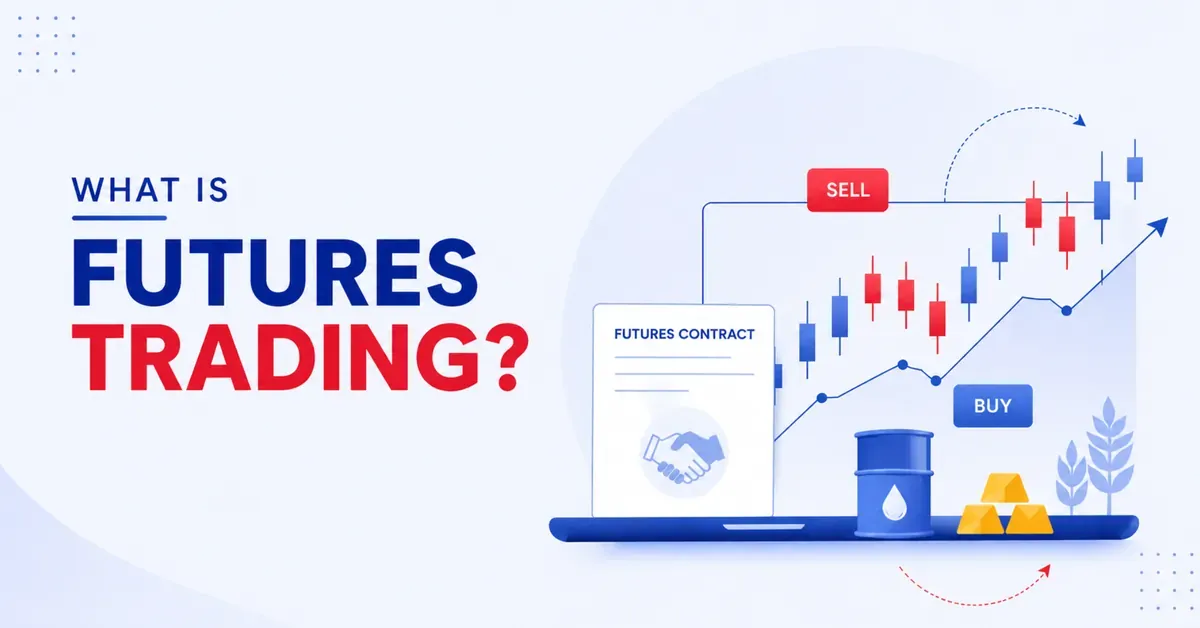
Futures trading is a fascinating and dynamic aspect of the financial world. It involves the buying and selling of contracts, known as futures contracts, that are based on an underlying asset. This form of trading has existed for centuries, providing participants with opportunities to hedge risk, speculate on price movements, and capitalise on market trends. Read on to learn the futures trading meaning, explore its key features, and learn how it operates within the financial markets.
How Futures Trading Works?
The futures market attracts a diverse range of financial participants, including investors, speculators, and companies seeking to either physically accept or supply the commodity as per the terms of the futures contract. Hedgers utilise futures contracts to establish fixed buy or sell prices for the underlying commodity on a specific future date.
To better understand the mechanics of futures trading, let's take the example of a jar of beans. If the price of beans were to increase, a large food processor reliant on beans for their business would have to pay more to the farmer or dealer. To protect against this sudden price rise, the processor may choose to "hedge" their risk by purchasing bean futures contracts to offset the potential price fluctuations. Such a strategy would prove advantageous for the buyer of the futures contract if the price of beans were to rise.
Similarly, individuals can hedge against stock price changes in the stock market through stock futures. You can acquire these contracts for individual stocks or broader market indexes. Notably, the buyer of a futures contract does not need to pay the full contract value upfront but instead only needs to provide an initial margin payment.
Types of Future Traders
In the world of futures trading, two distinct types of traders exist: hedgers and speculators. Each group has different objectives and approaches to the market.
-
Hedgers:
Hedgers are investors who utilise derivative instruments to protect their capital from potential losses. They enter into futures contracts to hedge against adverse price movements in the underlying asset.
For example, a wheat farmer may use futures contracts to secure a favourable price for their crop, thereby safeguarding themselves against potential price decreases. By hedging, they aim to minimise their exposure to price volatility and maintain stability in their financial positions.
-
Speculators:
On the other hand, speculators participate in futures trading to generate returns from price fluctuations in derivative contracts. They take positions in futures and options contracts based on their assessment of market conditions and the demand-supply dynamics of the underlying asset.
Speculators analyse various factors such as economic indicators, market trends, and news events to anticipate price movements and make speculative trades accordingly. Their return potential lies in accurately predicting the direction of price changes and timing their buying and selling activities effectively.
Why Should You Invest In Futures?
Investing in futures is not only about taking a view on price movement. Many investors use these contracts for practical reasons such as managing risk, using capital efficiently, and adding variety to their portfolio. With careful consideration, futures trading can complement a diversified investment strategy.
Hedging
One of the main uses of futures is to protect against price swings. For example, suppose an investor holds shares of a banking company and fears a short-term decline in the market. Selling index futures offers a way to potentially cushion losses in that scenario. Gains in futures positions can partly balance the loss in shares. In this way, futures act like a safety layer during uncertain periods.
Leverage
Futures allow you to control a large position with a smaller upfront amount. For instance, instead of paying the full value of a Nifty contract, you only need to deposit a margin. This means even a small price move can have a noticeable impact on returns. While this can work in your favour, it can also magnify losses. Because of this, investors need to be cautious and avoid taking positions beyond their comfort level.
Diversification
Futures are available on different assets such as stock indices, commodities, and currencies. This gives investors a way to move beyond regular equity investments. For example, someone with a portfolio heavily tilted towards stocks may add gold futures to balance risk during volatile times. It helps in reducing the overall impact of market movements by spreading risk.
Advantages And Disadvantages Of Futures Trading
Futures trading has its upsides, but it also comes with risks. It is useful to look at both before taking any position.
Advantages Of Futures Trading
- You don’t pay the full contract value. Only a margin is blocked. For example, a trader can take a Nifty position without putting the entire amount.
- Some investors use it to limit losses. If stocks fall, a short futures position may soften the impact.
- Popular contracts usually have enough buyers and sellers. This makes entry and exit smoother on most days.
- Rates keep updating during market hours, so you always know where things stand.
Disadvantages Of Futures Trading
- Even a small move in the wrong direction can hurt because the position size is large.
- If the trade goes against you, the broker may ask for more funds. This can happen quickly.
- Each contract has an expiry. You cannot hold it for as long as you want.
- Prices move a lot during the day. If you ignore the position, it can lead to trouble.
In Conclusion
Futures trading offers a unique avenue for market participants to manage risks, speculate on price movements, and capitalise on market trends. With its standardised contracts, leverage, and active markets, futures trading has become integral to the global financial system. However, it is important to approach futures trading with caution, as it involves significant risks. Educating oneself about the intricacies of futures markets and developing effective risk management can help you get the most out of futures trading.
Sources:
Investopedia
FAQs On What Is Futures Trading
Futures trading is a type of contract between a buyer and a seller made for the future with an expiration date.
Futures contracts are legally binding agreements between two parties where they buy or sell an asset at a pre-agreed price on a future date. These contracts are standardised in terms of quality, quantity, delivery date, and location.
Futures trading serves multiple purposes. It allows participants to hedge against price risks associated with the underlying asset, speculate on price movements to generate profits, and provide liquidity to the market potentially.
Leverage in futures trading allows traders to control a larger position with a fraction of the contract's total value. It enables traders to amplify potential returns but also magnifies potential losses. Exchanges set margin requirements to regulate leverage usage.
Yes, futures trading allows you to trade contracts without owning the underlying asset. This is known as speculating or taking a position based on price movements rather than physical ownership.
Risk management is crucial in futures trading. Traders can implement various strategies such as setting stop-loss orders to limit losses, diversifying their portfolios, using hedging techniques to offset risks, and staying informed about market trends and news.
Futures trading may generate returns depending on several factors. These include market conditions, trading strategy and risk management. You must choose a suitable strategy based on your risk tolerance. It is also essential to use tools like stop-loss to mitigate risks.
For safe trading, you should diversify your portfolio across several assets. Always follow a long-term strategy. In addition, employ risk management techniques like stop-loss orders and dynamic position sizing.
Futures may or may not be better than stocks. It depends on your investment objectives and risk tolerance. However, futures are usually considered more risky than stocks. So, an individual's trading skills and experience determine whether futures are better than stocks.
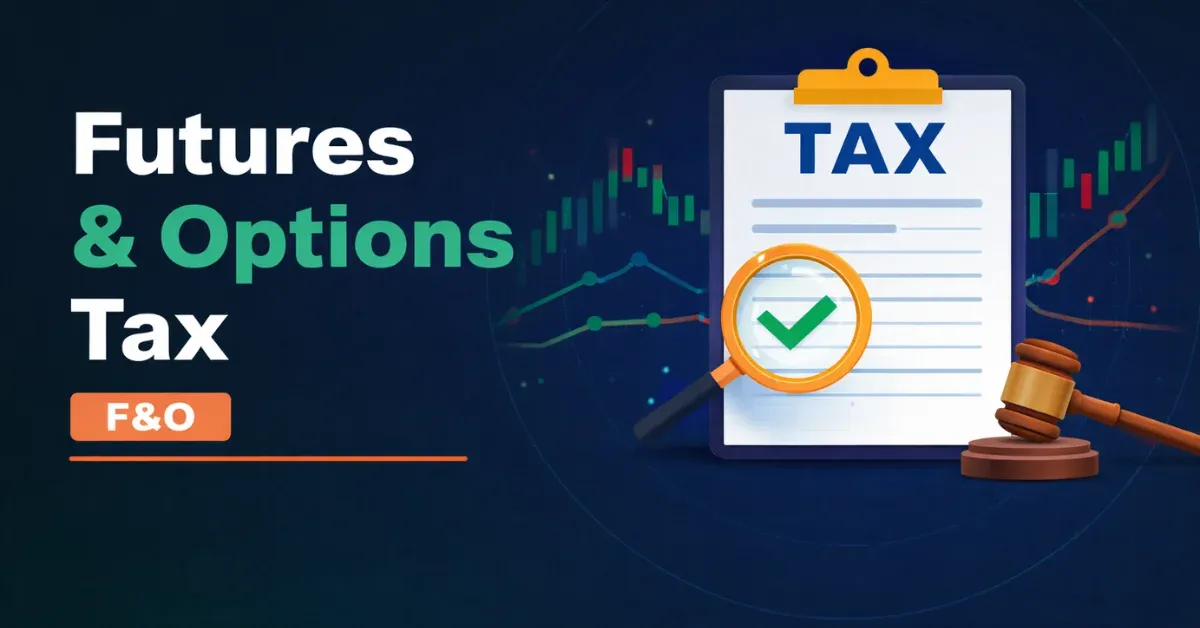
In India, Section 43(5) of the Income Tax Act states that futures trading are non-speculative transactions. The profits earned from futures trading are considered as business income. So, they are taxed according to the income tax slab applicable to an individual.

What is Futures Trading and its strategies by Kotak Securities.
Kotak Neo
•0m 48s
The content in this blog is intended purely for educational purposes. Any securities or mutual funds referenced are illustrative in nature and do not constitute a recommendation or endorsement by Kotak Neo. Investors are encouraged to assess their own financial situation and seek professional advice before making any investment decisions. For compliance T&C and disclaimers, Visit https://www.kotakneo.com/disclaimer/
0 people liked this article.

Kotak Neo (Kotak Neo) is India's venerable stockbroking company with a rich legacy. It offers comprehensive investment services across asset classes, prioritising a technology-first approach for a seamless experience. Trusted by 5 million+ customers, it guides you toward financial success with ease of investment and speed of trade.
Note: The opinions expressed in this blog are personal viewpoints and should not be construed as recommendations.