What Is Grey Market Premium (GMP) In IPO?
- Updated: 22 May 2026, 5:11 PM IST
- | 5 min read
- 6,432
 Add Preferred News Source
If you are in stock trading, you must be familiar with the primary and secondary markets. The Securities and Exchange Board of India (SEBI) regulates and oversees both of these markets. In the primary market, companies launch their Initial Public Offerings (IPOs), and potential investors subscribe to them.
Subsequently, these shares are listed on the stock exchange, known as the secondary market, where they can be freely traded. Therefore, SEBI plays a crucial role in ensuring the smooth functioning of these two markets. However, there exists another market that operates informally, based on trust, and is not regulated by SEBI. This market is called the grey market.
What is Grey Market?
The grey market for shares operates as a closed, informal market, relying on trust rather than rules and regulations. SEBI or any other legal authority does not regulate the grey market, and investors must bear any risks associated with participating in it. Trades in the grey market often occur through small chits of paper and involve unofficial dealers.
IPO Grey Market Premium Meaning
Let’s understand what is GMP in IPO in a very simple way.
Grey Market Premium, or GMP, is the extra amount that investors are ready to pay over the IPO price in the grey market. In other words, it is the additional amount investors are willing to pay for an IPO share in the unofficial or grey market, before the share lists officially on the stock exchange.
For example, suppose an IPO is priced at ₹100 per share. If people in the grey market are offering ₹125, the GMP is ₹25. That ₹25 is the premium over the issue price.
The GMP can be positive or negative.
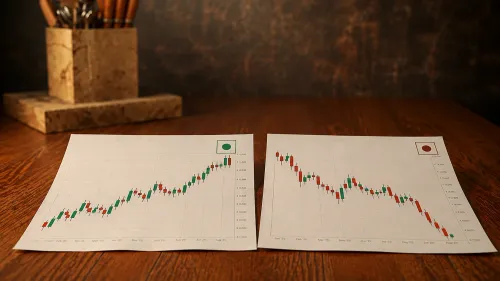
A positive GMP means buyers are ready to pay more than the IPO price. It usually shows that there is a strong interest in the issue. For instance, if the IPO price is ₹200 and the GMP is ₹30, it suggests that some traders expect the share to list near ₹230.
A negative GMP is the opposite. It means people are offering less than the IPO price. If the issue price is ₹150 and the GMP is -₹15, the expected listing price could be around ₹135. This points to weak demand or low confidence.
Many investors track IPO GMP because it acts as an unofficial indicator for IPO stocks. It gives a rough idea of how the stock might open on listing day. Still, it is not a promise. The actual listing price depends on real buying and selling on the stock exchange.
GMP is usually calculated through a simple formula. You take the grey market trading price and subtract the IPO price from it. The difference between the two is the Grey Market Premium. For example, if the issue price for an IPO share is ₹100 and the grey market trading price is ₹120, the GMP is ₹120 - ₹100, i.e., ₹20.
Grey Market Trading Pros & Cons
IPO trading in the grey market has both benefits and risks.
Pros
-
GMP gives an early hint about market mood. It helps investors determine whether there is a strong or weak demand for an IPO before listing.
-
Some investors use the grey market to lock in profits even before the IPO shares start trading officially on the stock exchanges.
-
Traders who are investing in IPOs for listing gains often track GMP to make investment decisions.
-
A rising GMP can show growing interest. A falling GMP may signal caution.
Cons
-
The grey market does not come under SEBI rules. There is no legal protection if something goes wrong.
-
IPO GMP can rise or fall sharply in a day. It is based on rumours and demand, not confirmed numbers.
-
Many IPOs list at prices different from their GMP expectations. Relying only on GMP can lead to losses.
-
Deals in the grey market depend on trust. If the other party backs out, you may not have any legal remedy.
Because of these risks, IPO grey market premium should be seen as a reference point, not as a final decision-making tool.
Conclusion
So, what is GMP? The grey market premium in IPOs provides valuable insights into investor sentiment and market expectations surrounding an upcoming IPO. It acts as an unregulated barometer, reflecting the demand and supply dynamics of IPO shares before their official listing.
Investors, both retail and institutional, closely monitor the GMP to assess the IPO's potential performance and make informed investment decisions. However, it is important to note that Grey Market trading involves risks and uncertainties, and the GMP may not always accurately predict the stock's future behaviour once listed on the official exchange.
FAQs
The grey market premium refers to the premium at which shares of an IPO trade in the unofficial and unregulated grey market before their official listing on the stock exchange.
It is determined by the forces of demand and supply in the unregulated market. It reflects investor sentiment and market expectations regarding the IPO's future performance.
A positive grey market premium suggests that IPO shares are trading at a premium in the Grey Market, indicating strong investor demand and potential listing gains.
A negative grey market premium implies that IPO shares are trading at a discount in the Grey Market, suggesting limited interest or weak demand for the shares.
The premium can be volatile and may fluctuate significantly, leading to potential losses if the share price drops after listing. Additionally, since grey market trading is unregulated, there is a higher risk of fraud or manipulation.
While grey market premium can reflect investor sentiment and demand for an IPO, it may not always accurately indicate a stock's future performance. Various factors can influence the stock's price once it is listed, and it is important to conduct thorough research and analysis before making investment decisions.
Kostak Rate is the fixed amount paid to sell an IPO application in the grey market before allotment. Here, the entire application is traded, not individual shares. The buyer takes the risk of allotment and listing gains or losses.
Subject to Sauda is a grey market deal that depends on share allotment. The transaction happens only if the seller receives the IPO shares. If no shares are allotted, the deal is cancelled. The rate is decided in advance.
Grey market trading is not officially recognised in India. It is neither fully legal nor regulated. Since it operates outside stock exchanges and SEBI rules, investors do not get legal protection. That is why it involves a higher risk compared to regular stock market trading.

What is Grey Market Premium (GMP) | GMP kya hota hai (Hindi) | How does GMP work | IPO
Kotak Neo
•2m 15s
The content in this blog is intended purely for educational purposes. Any securities or mutual funds referenced are illustrative in nature and do not constitute a recommendation or endorsement by Kotak Neo. Investors are encouraged to assess their own financial situation and seek professional advice before making any investment decisions. For compliance T&C and disclaimers, Visit https://www.kotakneo.com/disclaimer/
0 people liked this article.