The Rupee at ₹96 Has Entered Your Kitchen
- Updated: 22 May 2026, 5:17 PM IST
- | 6 min read
- 1,002
 Add Preferred News Source
The rupee crossing ₹96 to the dollar sounds like the sort of thing only currency traders should care about.
Until a woman in Bengaluru opens her quick-commerce app and realises the sunflower oil she bought for ₹148 two weeks ago now costs ₹169.
The change is small enough to ignore once.
But large enough to notice the second time.
And somewhere between fuel bills, milk packets, and grocery carts, households begin adjusting without formally calling it inflation.
That is usually how a falling currency enters everyday life in India. Quietly. Through routine purchases.
Not through RBI commentary, but through the kitchen.
Since the West Asia crisis erupted in February, the rupee has fallen more than 6%, making it Asia’s worst-performing major currency in 2026 so far.
India’s forex reserves have also dropped sharply from $728.49 billion in February to around $690.69 billion by May as the RBI sold dollars to slow the slide.
Financial markets see this as a currency crisis.
Indian households are beginning to experience it as a grocery crisis.
The Fuel Pump Always Goes First
India imports more than 85% of its crude oil requirement, which means a weak rupee and elevated oil prices tend to reinforce each other quickly.
Brent crude, climbing above $110 per barrel after the West Asia tensions escalated, has already started reshaping costs across the economy.
Fuel prices were raised by ₹3 per litre on 15 May, but even this reportedly covers only about half the current under-recovery gap.
Which means fuel prices could remain under pressure if crude prices stay elevated.
And fuel inflation in India never stays confined to fuel.
It travels through supply chains first, and household budgets later.
Diesel powers trucks carrying vegetables, milk tankers entering cities at dawn, tractors on farms, and delivery vehicles zigzagging through urban traffic.
Once diesel becomes expensive, transportation costs begin leaking into everything else.
April’s transport inflation still stood at -0.01%, but that data was collected before the May fuel hike.
The June and July inflation prints could look very different.
Why Your Grocery Bill Suddenly Feels Different
The second wave of rupee depreciation hits the grocery shelf, and this is where the problem becomes deeply personal.
India imports nearly 60% of its edible oil requirement.
Palm oil from Malaysia and Indonesia. Sunflower oil from Ukraine and Russia. Soybean oil from South America.
Every fall in the rupee immediately raises the landed cost of these imports.
Freight rates from Argentina, Russia, and Southeast Asia have nearly doubled in recent weeks, compounding the pressure further.
The transmission is remarkably quick.
Importers pay more in dollars. Refiners face margin pressure. Packaged food companies gradually raise prices.
By the time products reach kirana stores and quick-commerce apps, shelf prices have quietly shifted.
That is why a one-litre pouch of sunflower oil now costs anywhere between ₹164 and ₹175 on delivery apps.
Most consumers may not track the rupee every day.
But they immediately notice when the same grocery basket starts costing ₹200 more.
And edible oil inflation rarely travels alone.
Amul and Mother Dairy raised milk prices by ₹2 per litre on 14 May, citing higher cattle feed, fuel, packaging, and procurement costs.
Restaurants, cloud kitchens, bakeries, and roadside eateries are also facing rising input costs.
This is usually the point where a macroeconomic story turns into a household budgeting story.
For a family buying 5 litres of cooking oil and 10 litres of milk every month, the increase translates into roughly ₹200 to ₹250 in additional monthly expenses.
Annualised, that is enough to quietly erase a weekend trip, delay an appliance purchase, or shrink discretionary spending without anybody formally calling it austerity.
The Most Invisible Inflation Is Transport
The third inflation wave is the one most consumers do not immediately notice.
Because unlike fuel or cooking oil, it does not arrive as a visible price shock.
It appears gradually across transport, logistics, and services.
When diesel prices rise, vegetables become more expensive to transport from farms to mandis.
Construction material costs rise. Delivery charges creep upwards.
Even products unrelated to imports begin costing more because the logistics network itself has become pricier.
Tomatoes are not becoming expensive because India imports tomatoes.
They are becoming expensive because trucks carrying them now cost more to run.
This is what economists call second-round inflation effects.
Indian households experience it as the strange feeling that everything suddenly costs a little more.
The CPI Number Is Hiding The Real Stress
India’s April CPI inflation came in at 3.48%, comfortably below the RBI’s 4% target.
On paper, inflation appears under control.
But that number is beginning to feel disconnected from lived reality.
Official inflation and lived inflation are beginning to diverge slightly.
India’s revised CPI basket now gives greater weight to non-food categories.
That may reflect urban consumption patterns better.
But for many rural households, food still dominates monthly spending far more heavily than the index captures.
Rural food inflation in April stood at 4.26%, already higher than the national food inflation average of 4.20%.
And the asymmetry here matters.
The salaried urban professional adapts.
The daily wage worker, the small farmer, and the kirana owner operating on thin margins absorb inflation immediately and fully.
Rural India has the least buffer and the fastest exposure to rising food and transport costs.
The Signals Beyond The Rupee Chart
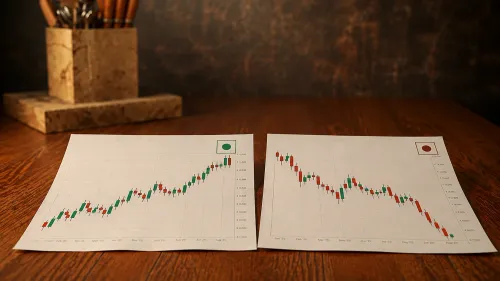
Most investors will focus on the rupee chart.
The deeper stress may emerge not from currency charts, but from rural consumption trends and FMCG volumes over the coming quarters.
A persistently weak rupee creates pressure on companies dependent on imported raw materials such as edible oils, packaging materials, and additives.
Edible oil refiners and packaged food manufacturers face near-term margin pressure until pricing stabilises or consumers accept higher prices.
Aviation, chemicals, paints, and other import-dependent sectors may also face cost stress.
Export-oriented sectors tell the opposite story.
IT services, pharma exporters, and select dollar-earning businesses typically benefit from rupee weakness because their foreign revenues translate into higher rupee earnings.
The improvement may boost reported profitability even if the underlying business remains unchanged.
Power and fertiliser companies face another layer of pressure through rising imported coal and natural gas costs, which could eventually affect subsidy burdens and agricultural input pricing.
The RBI’s Difficult Trade-Off
The RBI is now navigating a difficult trade-off.
Aggressively raising rates could support the rupee, but risks slowing growth further when GDP growth is already softening towards the 6.2% to 6.5% range.
Intervening too heavily drains forex reserves.
Allowing the rupee to weaken too sharply imports more inflation into the economy.
Which is why a policy pause may not necessarily signal indecision.
It may simply reflect the reality that this inflation shock originates outside India.
But if rates remain paused while inflation quietly rises, the rupee loses part of its yield defence.
That could allow depreciation pressure to persist longer than headline inflation suggests.
The Real Market Signal Is Already In The Kitchen
The most revealing part of this story is the contradiction.
India’s CPI inflation is technically among the lowest readings in years.
Yet in the same week, milk prices rose, cooking oil jumped by as much as ₹25 a litre, and fuel became more expensive.
The index says inflation is contained.
The household grocery bill says the rupee has already arrived.
By the time inflation becomes visible in headlines, most families have already started adjusting to it for months.
Sources and References:
- THEHINDU
- REUTERS
- NEWS18
- NDTV
- INDIATIMES
- FXSTREET
- INDIABUSINESS
- ECONOMICTIMES
- DAILYHUNT
- PIB
The content in this blog is intended purely for educational purposes. Any securities or mutual funds referenced are illustrative in nature and do not constitute a recommendation or endorsement by Kotak Neo. Investors are encouraged to assess their own financial situation and seek professional advice before making any investment decisions. For compliance T&C and disclaimers, Visit https://www.kotakneo.com/disclaimer/
0 people liked this article.

Kotak Neo (Kotak Neo) is India's venerable stockbroking company with a rich legacy. It offers comprehensive investment services across asset classes, prioritising a technology-first approach for a seamless experience. Trusted by 5 million+ customers, it guides you toward financial success with ease of investment and speed of trade.
Note: The opinions expressed in this blog are personal viewpoints and should not be construed as recommendations.