RBI Weighs Dollar Bond Route As SEBI Expands Retail Debt Access
 Add Preferred News Source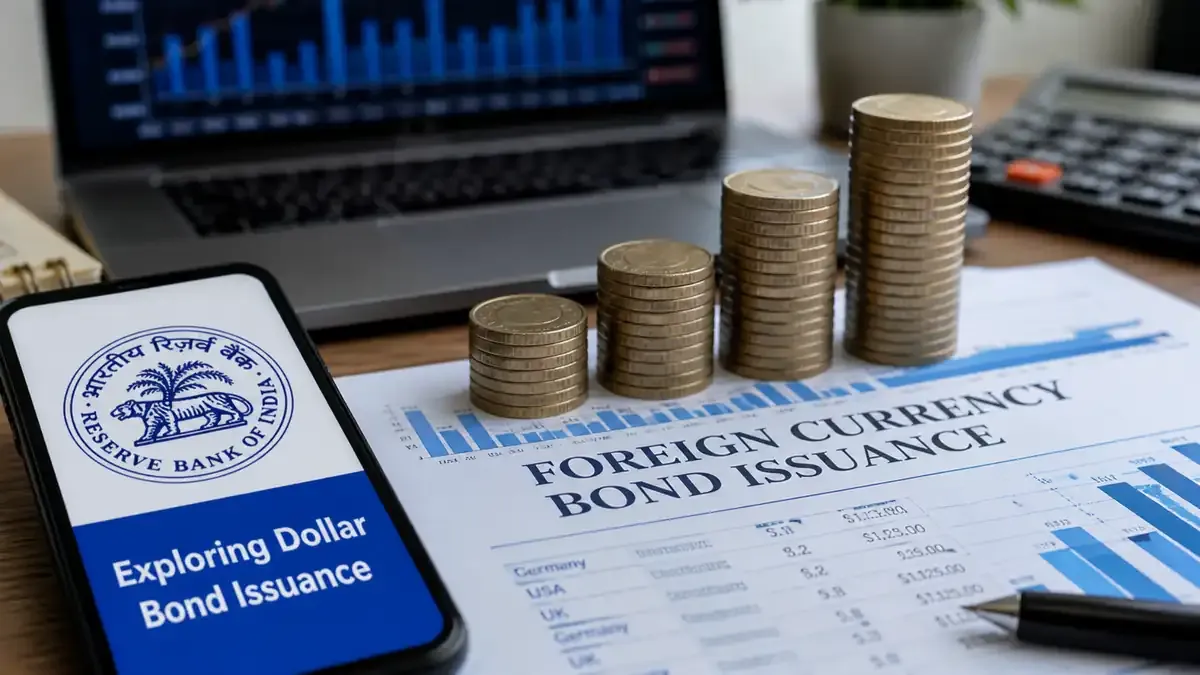
RBI is studying foreign-currency bond issuance as SEBI plans easier access to GIFT City debt products and tax-saving bonds. The moves aim to boost capital inflows. Read more for details.
India’s financial regulators are exploring fresh ways to attract overseas money at a time when the rupee has fallen nearly 6% against the US dollar this year, making it Asia’s weakest-performing currency.
The Reserve Bank of India (RBI) is discussing a possible plan that could allow state-run banks to issue foreign-currency bonds, while the Securities and Exchange Board of India (SEBI) has proposed broader access to debt products through online bond platforms.
The discussions come as India faces pressure from elevated oil prices, rising imports and foreign investor outflows. Foreign portfolio investors pulled out more than $5 billion from Indian equities last month, adding strain on the country’s external balances.
SEBI Plans Wider Bond Market Access
SEBI has proposed allowing Online Bond Platform Providers (OBPPs) to distribute debt securities regulated by the International Financial Services Centres Authority (IFSCA). If approved, domestic investors could gain access to overseas-listed debt products available through Gujarat International Finance Tec-City (GIFT City).
The regulator has also proposed permitting OBPPs to offer tax-saving bonds issued under Section 54EC by government-backed entities such as Power Finance Corporation, Indian Railway Finance Corporation and REC.
SEBI said these reforms are aimed at widening investment choices for retail investors while removing operational ambiguities in the growing bond market. The regulator has additionally proposed easing compliance officer appointment norms for OBPPs to align them with stockbroker regulations.
Also Read - Ajanta Pharma Q4 FY26 Results: Revenue Up 21%, Profit Rises 18%
Why Is RBI Revisiting Foreign Currency Bonds?
Meanwhile, the RBI is considering a structure where public sector banks could issue foreign-currency bonds with maturities of around five years. The idea is aimed at drawing foreign capital inflows and supporting the rupee.
India has relied on similar fundraising tools in the past during periods of external stress. In 2000, State Bank of India raised $5.5 billion through India Millennium Deposits. Earlier, in 1998, it mobilised over $4 billion through Resurgent India Bonds.
The central bank is also discussing possible foreign-exchange swap arrangements for participating banks. Such a mechanism could help lenders manage currency risk and offer better returns to investors.
Economists at a leading brokerage said policymakers seem to be looking at multiple steps to deal with India’s balance of payments deficit. They expect the gap to widen. Their estimate puts it at around $68 billion for the financial year ending March 2027.
Sources:
The Hindu Business Line
Moneycontrol
This article is for informational purposes only and should not be considered investment advice from Kotak Neo. For compliance T&C and disclaimers, Visit www.kotakneo.com/disclaimer
Right Tools, Rich Insights