India Budget 2025: What It Means for Taxpayers, Businesses, and the Economy
- Updated: 22 May 2026, 5:12 PM IST
- | 3 min read
- 1,635
 Add Preferred News Source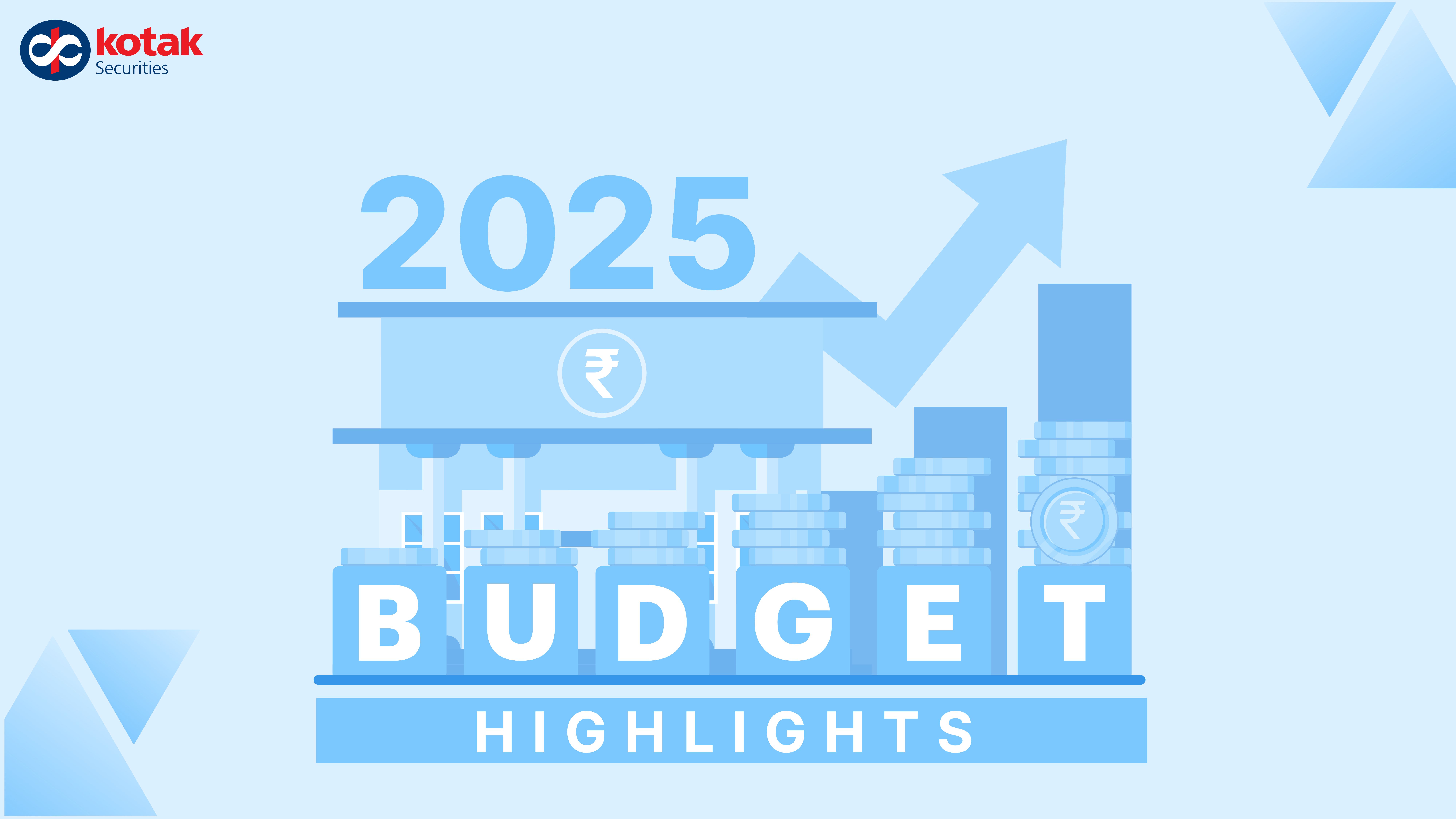
On February 1, 2025, India's Finance Minister, presented the Union Budget 2025, outlining the government's financial roadmap aimed at stimulating economic growth, providing tax relief to the middle class, and bolstering key sectors such as agriculture and manufacturing. This budget comes at a time when India's economy is experiencing its slowest growth in four years, with projections indicating a growth rate between 6.3% and 6.8% for the upcoming fiscal year.
Key Highlights of the Union Budget 2025
1. Income Tax Reforms:
In a significant move to enhance the spending power of the salaried middle class, the government has raised the income tax exemption threshold from ₹7 lakh to ₹12 lakh (approximately $8,074 to $14,800). Additionally, tax rates for incomes above this threshold have been reduced. These changes are expected to boost household consumption, savings, and investment, despite an anticipated annual revenue loss of about ₹1 trillion ($11.6 billion).
2. Agricultural Initiatives:
To strengthen the agricultural sector, the budget introduces a six-year program aimed at increasing the production of pulses and cotton, thereby reducing dependence on imports. The program includes purchasing pulses at guaranteed prices to support farmers and investing in research and development to enhance cotton yields. The government has also raised the limit for subsidized farm loans to ₹5.77 lakh from the previous ₹3.46 lakh, aiming to provide better financial support to farmers.
3. Support for the Gig Economy:
Recognising the growing gig workforce, the government plans to formally register gig workers and provide them with identity cards, facilitating their access to healthcare and welfare initiatives. This move aims to integrate gig workers into the formal economy and ensure they receive essential benefits.
4. Boosting Manufacturing and Startups:
The budget announces a new fund to support startups and promote innovation in collaboration with the private sector. Despite previous initiatives yielding limited success, the government remains committed to increasing the share of manufacturing in the economy from the current 17% towards the targeted 25%. This includes introducing programs to enhance manufacturing capabilities and export competitiveness.
5. Infrastructure and Energy Development:
A significant allocation of ₹11.11 trillion has been made for capital expenditure, focusing on infrastructure development. This includes plans to improve air connectivity to 120 new destinations over the next decade, aiming to boost tourism and regional development. Additionally, the government has launched the Nuclear Energy Mission with the goal of developing at least 100 GW of nuclear power by 2047, underscoring its commitment to clean energy and sustainable growth.
6. Fiscal Deficit and Subsidies:
The government aims to reduce the fiscal deficit to 4.4% of GDP in the 2025-26 financial year. Allocations for food, fertilizer, and rural employment subsidies have been maintained at ₹4.57 trillion, similar to the previous year, indicating a continued commitment to supporting the rural economy and ensuring food security.
Conclusion:
The Union Budget 2025 reflects the Indian government's strategy to stimulate economic growth through tax reforms, support for key sectors, and substantial investments in infrastructure and clean energy. By focusing on enhancing the financial well-being of the middle class, bolstering agriculture and manufacturing, and committing to sustainable development, the budget aims to address current economic challenges and lay the foundation for long-term prosperity.
Sources:
The content in this blog is intended purely for educational purposes. Any securities or mutual funds referenced are illustrative in nature and do not constitute a recommendation or endorsement by Kotak Neo. Investors are encouraged to assess their own financial situation and seek professional advice before making any investment decisions. For compliance T&C and disclaimers, Visit https://www.kotakneo.com/disclaimer/
0 people liked this article.

Kotak Neo (Kotak Neo) is India's venerable stockbroking company with a rich legacy. It offers comprehensive investment services across asset classes, prioritising a technology-first approach for a seamless experience. Trusted by 5 million+ customers, it guides you toward financial success with ease of investment and speed of trade.
Note: The opinions expressed in this blog are personal viewpoints and should not be construed as recommendations.