RBI Should Allow Rupee Weakness Instead Of Burning Reserves: Arvind Panagariya
 Add Preferred News Source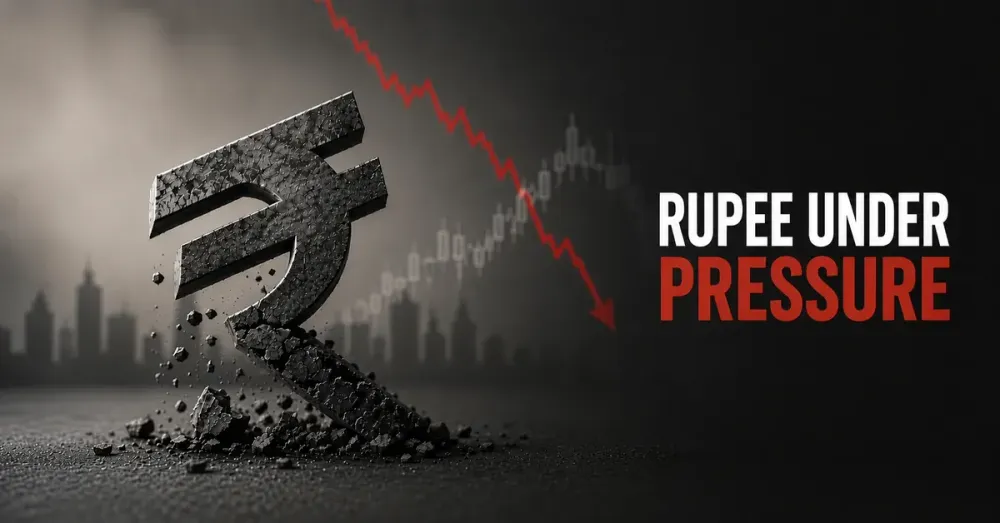
Arvind Panagariya urged the RBI to allow rupee depreciation instead of aggressively defending the currency. He warned that sustained intervention could drain forex reserves.
Sixteenth Finance Commission Chairman Arvind Panagariya has urged the Reserve Bank of India (RBI) to allow the rupee to depreciate instead of using foreign exchange reserves aggressively to defend the currency.
His comments came after the rupee touched the 100-per-dollar level in the one-year forward market on Wednesday. The move reflected expectations in currency markets that the USD/INR pair could remain under pressure over the next year.
What Panagariya Said?
Panagariya said on X that the RBI should not allow the psychological importance attached to the ₹100 mark to shape currency policy decisions. According to him, continued intervention to defend the rupee could steadily reduce India’s foreign exchange reserves without offering a lasting solution.
He also cautioned against depending on dollar-denominated sovereign bonds and high-interest non-resident Indian (NRI) dollar deposits to support the rupee. He said such measures may provide temporary relief but would increase costs for the economy over time.
According to him, India would eventually have to accept the crossing of the 100-per-dollar level instead of delaying the adjustment through expensive interventions. He further argued that high-interest NRI dollar deposits effectively transfer gains to wealthy depositors while costing India more than the returns earned on its own foreign currency reserves.
India Better Positioned Than During 2013 Crisis
Drawing comparisons with the 2013 currency crisis, Panagariya said India’s macroeconomic conditions are significantly stronger now. He noted that inflation had reached double digits during the 2013 crisis, while current inflation remains relatively controlled due to prudent monetary management by the RBI.
According to him, the Indian economy is in a position to absorb moderate inflationary pressure that could emerge from rupee depreciation.
Panagariya also said that if the current oil supply disruption lasts only for a few months or up to a year, the rupee may weaken initially before recovering later. He linked a possible recovery to lower oil import costs and the return of foreign investors attracted by a cheaper currency.
Also Read - LG Electronics India Q4FY26: Revenue Crosses ₹8,000 Crore But Profit Falls 8%
Rupee Recovers After Record Closing Low
The rupee recovered 50 paise from its all-time closing low to settle at 96.36 against the US dollar on Thursday. Forex traders attributed the rebound to a fall in crude oil prices after signs of easing geopolitical tensions. Market participants also pointed to likely intervention by the central bank.
Despite the recovery, traders said investors continue to monitor geopolitical risks and oil price movements closely because of their impact on India’s import bill and currency outlook.
The move in the forward market has drawn attention as it reflects expectations about future currency levels rather than immediate spot demand. The breach of the 100 level in the forward segment has also revived discussions around the RBI’s intervention strategy and the sustainability of using reserves to manage rupee volatility.
Sources:
The Economic Times
Moneycontrol
This article is for informational purposes only and should not be considered investment advice from Kotak Neo. For compliance T&C and disclaimers, Visit www.kotakneo.com/disclaimer
Right Tools, Rich Insights