Crude Oil Prices Jump 8% After US Targets Iranian Shipping
- By Kotak News Desk
- 13 Apr 2026 at 11:11 AM IST
- Market News
- 4 minutes read
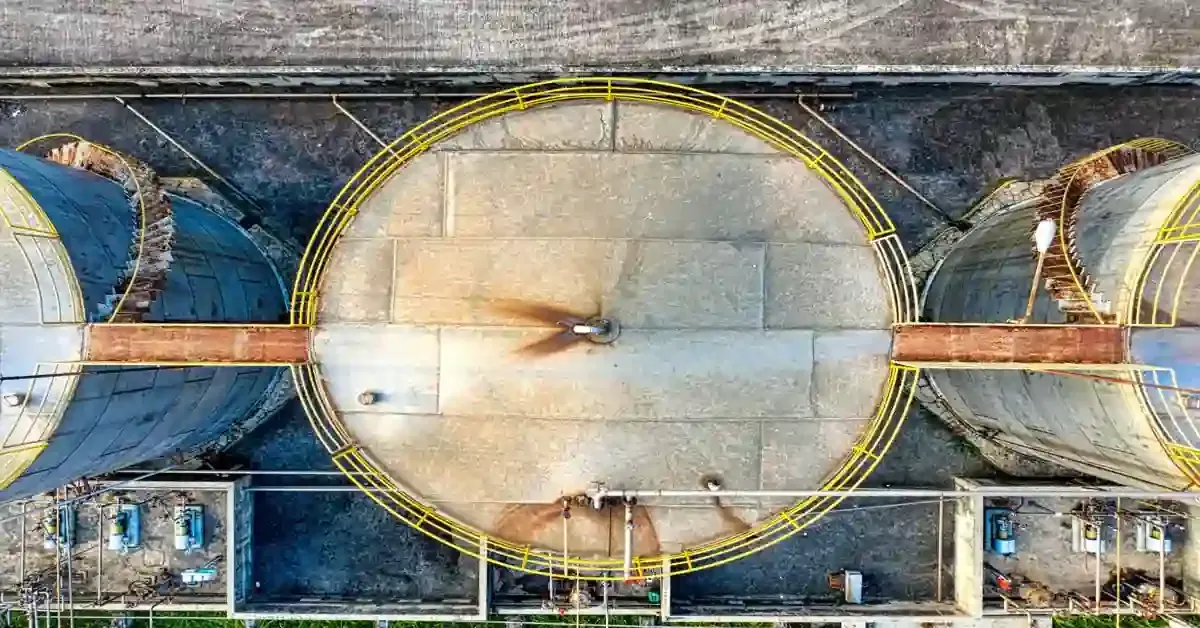
Stay updated with the latest stock market developments and trends.
You can set Kotak Neo as a preferred source to receive regular market updates.

Oil crossed $100 as the US began blocking Iranian-linked ships, raising supply concerns. Markets remain volatile amid rising tensions. Read more to understand what this means for global oil.
Oil markets opened the week on edge as prices surged after the United States confirmed a blockade linked to Iranian ports.
At 10:00 AM Brent crude June futures were trading at $102.22 a barrel, while West Texas Intermediate (WTI) May futures traded above $104 a barrel, each gaining roughly 7% to 8%. The jump follows stalled talks between Washington and Tehran, with traders reacting to the risk of supply getting squeezed in one of the world’s busiest oil routes.
The reaction was swift across markets. Within hours of the announcement, buying picked up as participants adjusted positions to factor in possible disruption.
What Has Washington Put Into Motion?
US President Donald Trump said American forces would begin stopping ships connected to Iranian ports. Soon after, US Central Command clarified the scope. The action is not a blanket shutdown of the Strait of Hormuz. Instead, it targets vessels entering or leaving Iranian coastal zones.
The timing was set for 13 April, starting at 10 AM ET, or 7:30 PM IST. Ships heading to other Gulf countries are still allowed through the Strait, which slightly eased fears of a total choke point.
Washington says the step comes after Iran failed to follow through on reopening the route. Tehran has pushed back, warning that any such move near the strait could be treated as a violation of the ceasefire understanding.
Why Does This Narrow Waterway Move Prices So Fast?
The Strait of Hormuz is not just another shipping lane. Close to one-fifth of global oil supply moves through it, usually. That makes even a limited restriction enough to shake markets.
The recent weeks have already demonstrated the price sensitivity involved. Crude prices have risen from around $70 per barrel in late February to almost $119 per barrel at its peak amid the crisis.
Iran leveraged this position in negotiations, proposing an average fee of up to $2 million per ship as transit costs.
From the perspective of the US, blocking shipments from Iran would limit the cash flow to Tehran. It also means that there could be a shortage of supplies, at least in the short term.
Also Read - Citius TransNet InvIT’s IPO Opens On 17 April 2026: Key Details Here
What Should Markets Watch Next?
Attention now shifts to how firmly the blockade is enforced and how Iran responds. If enforcement stays limited, prices could settle after the initial spike. But any escalation, especially beyond the Strait, may push crude higher again.
There are some balancing factors. Saudi Arabia has moved to restore pipeline capacity and keep supplies steady, which could soften the impact.
Even so, traders are not expecting calm just yet. Each development is likely to move prices quickly, keeping volatility high. The bigger question now is whether this pressure leads both sides back to the table or pulls them further apart.
Sources:
The Hindu BusinessLine
The Guardian
This article is for informational purposes only and does not constitute financial advice. It is not produced by the desk of the Kotak Securities Research Team, nor is it a report published by the Kotak Securities Research Team. The information presented is compiled from several secondary sources available on the internet and may change over time. Investors should conduct their own research and consult with financial professionals before making any investment decisions. Read the full disclaimer here.
Investments in securities market are subject to market risks. Read all the related documents carefully before investing. Brokerage will not exceed SEBI prescribed limit. The securities are quoted as an example and not as a recommendation. SEBI Registration No-INZ000200137 Member Id NSE-08081; BSE-673; MSE-1024, MCX-56285, NCDEX-1262.
Kotak News Desk brings you latest updates, expert insights, and market-ready ideas - helping you stay informed and invest smarter.
Connect on: Linkedin
0 people liked this article.