LNG Disruption May Hit India Harder Than Oil, Citi Flags Key Energy Stocks
- By Kotak News Desk
- 04 Mar 2026 at 2:02 PM IST
- Market News
- 4m
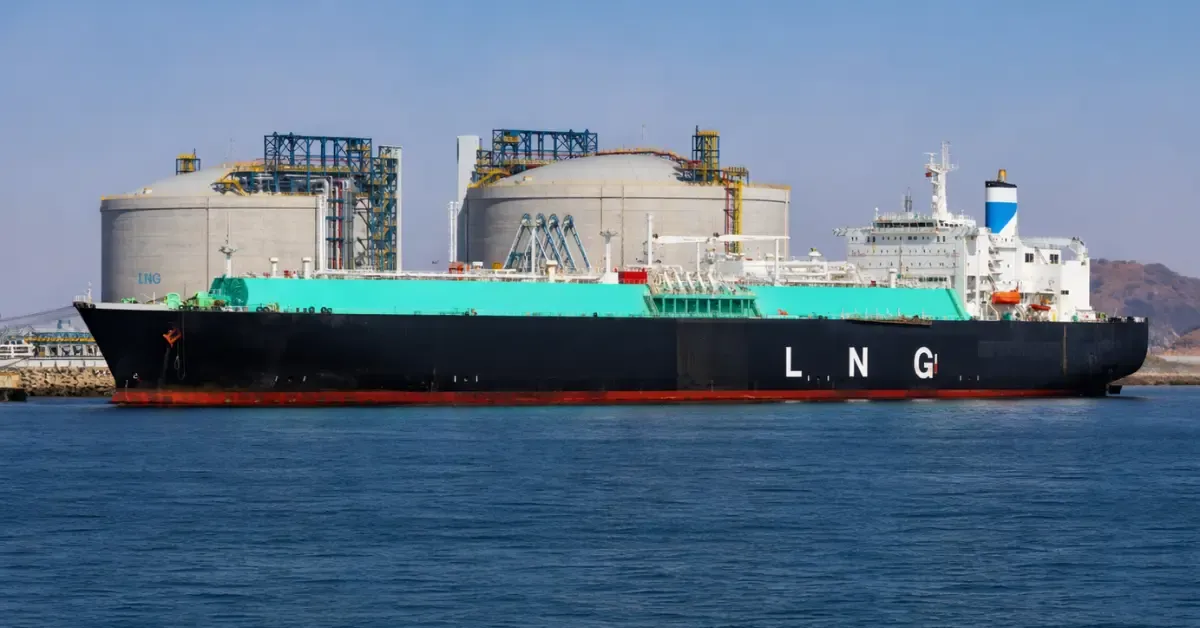
Citi warns India’s gas supply chain faces greater risk than oil as Qatar supplies 40–50% of LNG imports, with prices potentially rising from $14–$18 to $30 per MMBtu if disruptions persist.
As tensions in West Asia push oil prices higher, global attention has largely centred on crude markets.
However, in a note released on 4 March, Citi warned that disruptions in the liquefied natural gas (LNG) supply chain could create a significant challenge for India’s energy system if the conflict involving the US, Israel and Iran continues to escalate.
India is the world’s fourth-largest LNG buyer. Any disruption in supply from the Middle East could ripple through power generation, city gas distribution and industrial consumption.
Why Does Citi See Gas As A Bigger Risk Than Oil?
Much of the recent market anxiety has been focused on crude oil. Brent prices have already crossed $82 per barrel amid fears of supply disruptions linked to the conflict.
Yet Citi argues that the more immediate pressure point may lie in natural gas supply.
The concern intensified after Qatar halted LNG production amid the growing geopolitical tensions. Qatar has historically supplied about 40–50% of India’s LNG imports. Replacing such large volumes at short notice could prove difficult, especially as global gas prices have already surged.
Citi estimates that even a short-term disruption could push LNG prices to between $14 and $18 per metric million British thermal units (MMBtu). If the supply interruption extends for about three months, prices could rise as high as $30 per MMBtu.
Freight costs are also rising sharply. Charter rates for LNG carriers in the Atlantic Basin have climbed above $200,000 per day following the escalation in the region. These rising logistics costs add another layer of pressure on gas imports.
Which Indian Energy Stocks Could Be Affected?
Citi also mapped out how different companies in India’s gas ecosystem could feel the impact if LNG supplies tighten.
-
Among the companies highlighted was Petronet LNG. Qatari cargoes account for roughly half of the company’s total LNG volumes, meaning any disruption could directly affect throughput.
-
GAIL India, which operates the country’s largest gas pipeline network, could also see some pressure on transmission volumes. That said, its broader portfolio, including gas trading as well as exposure to liquefied petroleum gas (LPG) and petrochemicals, may provide partial support.
-
City gas distributor Gujarat Gas also features among the more exposed names. The company relies heavily on imported LNG and spot cargo purchases, making it sensitive to sudden moves in global gas prices.
Recent market movements already reflect some nervousness. Shares of Petronet LNG, Gujarat Gas, HPCL, BPCL and GAIL fell between 3% and 8% on Wednesday, 4 March 2026.
The picture is somewhat different for the oil segment, where the impact is less uniform.
Oil exploration companies such as ONGC could benefit if crude prices remain elevated. Refining-focused businesses could move in the opposite direction. Reliance Industries, for instance, may gain from stronger refining margins, particularly in diesel.
Also Read - Petronet LNG Shares Fall After Hormuz Disruption
What Is The Government Doing To Manage The Risk?
Oil Minister Hardeep Singh Puri earlier met the heads of state-run oil and gas companies to review the evolving situation and discuss supply preparedness.
Officials said the government is examining contingency plans. If supply tightens, priority could be given to household consumption, while industrial users and refineries may face curbs.
Energy companies such as Indian Oil, GAIL and Petronet LNG are also looking at spot purchases to bridge any shortfall. The challenge, however, is cost. Spot LNG cargoes have become far more expensive as prices, freight charges and insurance premiums have climbed.
Another layer of pressure might be added by shipping distances. Overall logistics costs are impacted since cargoes from the US or other countries usually take longer to reach India than supplies from the Middle East.
For now, the immediate concern flagged in the brokerage note is not only higher prices but also the possibility of tighter LNG availability if disruptions persist. If LNG supply disruptions persist, India’s gas-dependent sectors could face a tighter market than oil consumers.
Sources:
NDTV Profit
TOI

Since its incorporation on 20 July 1994, Kotak Neo has grown into one of India’s most trusted brokerage houses - backed by over 30 years of expertise across stocks, funds, IPOs, and full-service investing.
With a pan-India footprint of 145+ branches, 1000+ franchises and presence across 310+ cities, Kotak Neo serves 5 million+ customers nationwide.
From equities and IPOs to mutual funds and derivatives, Kotak offers comprehensive, research-backed investment solutions - simplifying wealth management for retail and institutional clients alike.
Kotak News Desk brings you latest updates, expert insights, and market-ready ideas - helping you stay informed and invest smarter.
Connect on: Linkedin
0 people liked this article.