What Is Call Writing?
- Updated: 22 May 2026, 5:11 PM IST
- | 4m
- 2,720
 Add Preferred News Source
Options trading offers a diverse range of strategies to capitalise on market movements, and one such strategy is call writing. A common approach used by many traders in the options market is the selling of call options. Investors often use it to bring in extra income from assets they already hold in their portfolios. When the calls are written against shares the investor already owns, the approach is called a covered call.
Call Writing Meaning
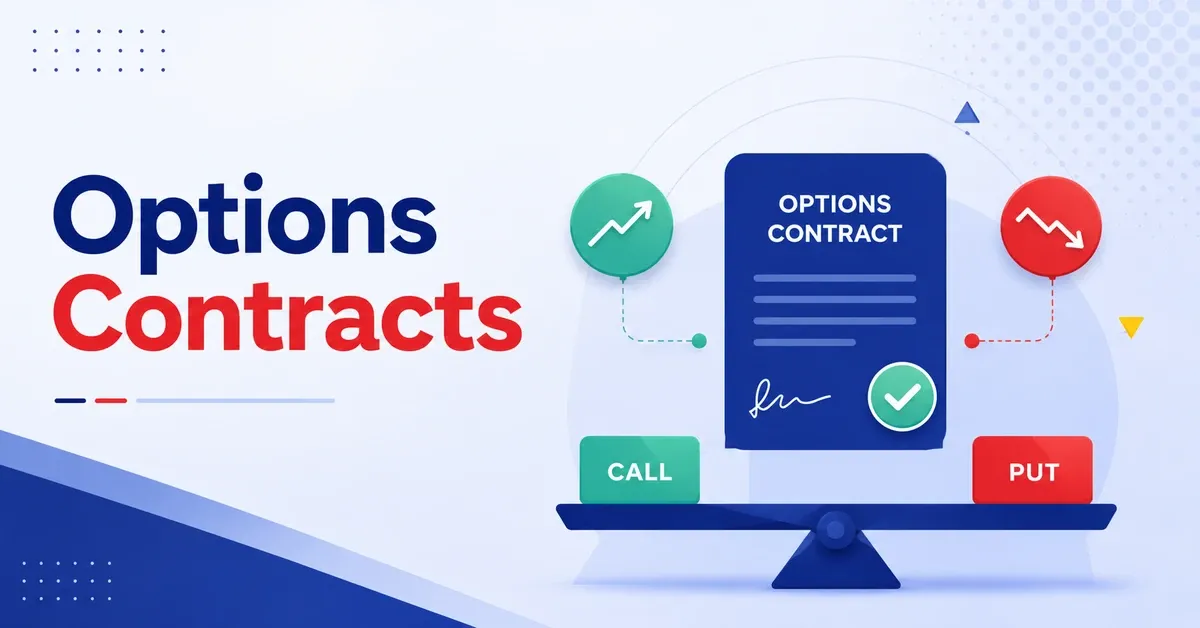
Call writing is a trading strategy that enables investors to sell call options at a specific strike price in exchange for a premium. The strike price represents the predetermined price at which an underlying security or asset can be bought or sold on the expiration date of the options contract. The expiration date marks the end date when the options contract becomes void.
When an investor engages in call writing, they receive a premium from the buyer of the call option. If the market price of the stock moves past the strike price, the option holder can choose to exercise the contract and buy the asset at that fixed strike price. Because of this, the call writer’s potential profit remains capped. Conversely, if the stock price does not increase, the call writer can earn a profit equal to the premium received.
Call Writing Example
Consider a scenario where a trader possesses 100 shares of ABC stock, currently valued at ₹100 per share. Expecting the stock price to remain stable or rise only moderately in the coming months, the trader decides to engage in call writing by selling a call option contract with a strike price of ₹105 and a three-month expiration date. By doing so, the trader earns a premium income of ₹300 (₹3 x 100 shares) for every 100 shares covered by the call option.
In this particular call writing example, the trader adopts a bullish outlook on the stock and gets a premium for selling the call option. If, at the option's expiration, ABC's share price remains at or below ₹105, the trader will retain the ₹300 premium paid for the call option. However, if the stock price of ABC surpasses ₹105, the call option buyer retains the right to purchase the stock from the trader at the predetermined strike price. The outlook assumes the stock won’t move much over the next few months, perhaps edging up only slightly. If that happens, the trader doesn’t stand to make a large profit. Still, the ₹300 premium collected at the start stays in their pocket.
Different Types Of Call Writing
If you are considering call writing options, here are some commonly employed strategies to consider:
Naked Call Writing
In this strategy, traders write call options without owning the underlying asset or stock. It carries the highest potential for loss since stock prices are not capped and can rise indefinitely.
Collar Options
With this call writing options strategy, you purchase a put option while simultaneously writing a call option. The put option is a hedge against potential losses resulting from the call option.
Covered Call
This strategy involves writing call options on a company's stock that you already own. It is suitable when you anticipate that the underlying stock's price will either drop or remain stable over a short period. While a covered call helps limit losses, it may also restrict potential profits.
Benefits Of Call Writing
As the writer of the call option, you will receive a premium payment upon entering the contract. This premium remains with the writer even if the buyer decides that they do not want to buy the underlying securities.
Another advantage is the flexibility it provides. You have the freedom to close the contracts at any time before the expiration date, allowing you to adjust your position as needed.
Why Use Call Writing In Your Trading Strategy?
Call writing is commonly used when traders already hold a stock and do not expect a major rise in price in the short term. Instead of waiting for the stock to move, they can also earn premium income during that period. This is one reason the strategy is often considered in stable market conditions.
Income Generation
The premium received from selling a call option is one of the main reasons traders use this strategy. The amount is credited when the contract is entered into and stays with the writer, whether the option is exercised later or not. For someone holding shares that may not move much immediately, this can add to the overall return.
Hedging
Call writing is also used because the premium received can help absorb part of a small decline in the stock price. If the share falls a little after the option is sold, that premium still remains with the writer. It cannot fully protect against losses, but it can reduce them to some extent.
Market-Neutral Profits
Traders sometimes write calls when they expect the stock to stay relatively quiet for a while. If the price never rises past the strike before expiry, the option may simply lapse. The contract goes unused, and the premium collected at the start remains with the writer.
Factors Influencing Call Writing Options
Volatility In Stock Price
A company's stock price fluctuations can significantly impact options trading and call writing. When volatility is high, the premiums for call options tend to increase. This is due to the increased uncertainty, indicating a higher probability of price movement in either direction.
Market Sentiment
The prevailing market sentiment plays a crucial role in determining the potential success of a call writing option. In changing market conditions, call option premiums may vary depending on demand and price expectations, which can affect profit opportunities for the writer.
Interest Rates
Interest rates prevailing in the market can influence stock prices, consequently affecting the outcome of call writing options. Changes in interest rates can have a cascading effect on stock prices, impacting the profitability of call writing strategies.
Trend In Share Price Movement
The trend in stock price movement is a significant factor in determining the success of call writing options. If a company's share price exhibits an upward trend, call option premiums tend to be higher. Conversely, a decline in the stock price will result in lower premiums for call options.
How To Get Started With Call Writing As A Beginner?
For beginners, it is usually easier to look at call writing one step at a time. Before entering a trade, it helps to understand the stock selection, strike price, expiry, and the premium involved.
Choosing An Underlying Stock
Covered call writing normally begins with shares already sitting in your portfolio. You’re not starting from scratch. Traders often lean toward stocks that see steady daily volume, since the price action is simpler to follow and the options market around them tends to stay busy. It also helps if the stock is not expected to rise sharply over the short term.
Setting Up A Brokerage Account
A trading account with derivatives access is needed before writing call options. In most cases, the derivatives segment has to be activated separately after completing the required formalities. It is also useful to understand how option contracts are shown on the platform before placing the trade.
Determining Strike Price And Expiration
Traders often choose a strike price above the current market price when they expect limited movement in the stock. A strike placed too close to the market level may increase the possibility of exercise. Expiry is usually selected based on how long that view may remain.
Calculating Premium Income
The premium depends on the stock price, strike price, expiry, and market volatility. A higher premium may look attractive, but it often comes when price movement is expected to be stronger. It is useful to compare the premium with the possible upside being given up beyond the strike price.
To Sum Up
If you plan to engage in derivatives trading, consider using call writing options as an effective method to hedge your portfolio. Selling options offers a layer of protection against potential losses, thanks to the premium you receive, regardless of whether the buyer ultimately exercises the contract. However, thorough research is key to realizing the best possible returns.
FAQs
Call writing refers to selling call options on a particular security or asset you already own.
The primary concern lies in forfeiting potential stock appreciation in return for the premium. If a call option is written and the stock experiences a significant surge, the writer can only reap the benefits of the stock's appreciation up to the strike price, but no further.
When writing a call option, an individual sells the call option to the holder and becomes obligated to sell the shares at a predetermined strike price.
A call-writing approach is typically viewed as neutral, sometimes leaning slightly bearish. The writer gains the most when the stock fails to rise beyond the strike price and instead trades within a narrow range below it.
Call writing, in simple terms, involves selling a call option contract. The perspective of a call writer typically reflects a bearish or range-bound outlook. The call writer realizes profits if, at expiration, the spot price is below the breakeven point. It's important to note that the profit potential for a call option writer is constrained to the premium received from selling the option.
Writing a call or put means selling an option contract and receiving a premium in return, along with the obligation attached to that contract if exercised.
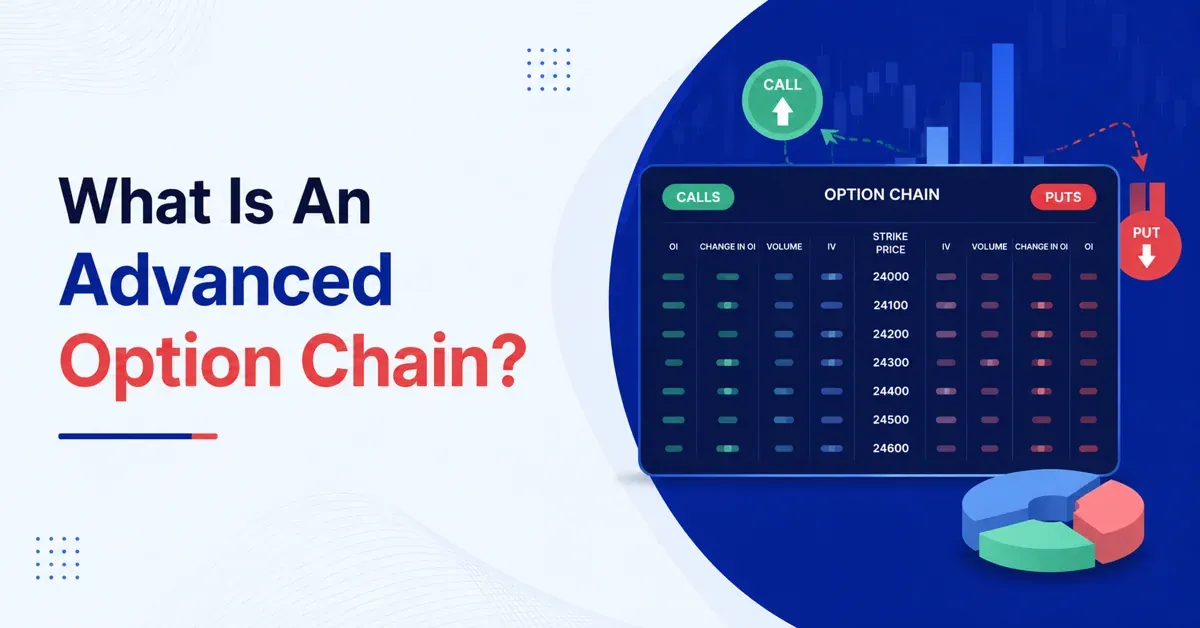
Identifying call writing is often possible by looking at the option chain. If you see call open interest rising at a specific strike price, that's a sign of new selling activity at that level.
A call writer makes money by keeping the premium paid when the option is sold, particularly if the option expires worthless.
Call options are written by choosing a stock, deciding the strike price and expiry, and selling the contract through a derivatives-enabled trading account.
The content in this blog is intended purely for educational purposes. Any securities or mutual funds referenced are illustrative in nature and do not constitute a recommendation or endorsement by Kotak Neo. Investors are encouraged to assess their own financial situation and seek professional advice before making any investment decisions. For compliance T&C and disclaimers, Visit https://www.kotakneo.com/disclaimer/
0 people liked this article.