View All Articles


Exponential Moving Average (EMA) is a popular technical analysis indicator used in stock trading. It calculates the average price of a stock over a specified period, giving more weight to recent prices. EMA responds quicker to price changes compared to the Simple Moving Average (SMA), making it useful for identifying short-term trends.
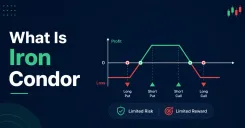
An Iron Condor is a popular options trading strategy that involves selling a combination of both a bear call spread and a bull put spread. It aims to profit from a stable market with limited price movement. Traders establish the strategy by selling out-of-the-money call options and put options, while simultaneously buying further out-of-the-money call options and put options as a hedge.

The Put Call Ratio (PCR) is a popular options market indicator that measures the ratio of put options to call options traded. It helps gauge market sentiment and investor expectations. A high PCR suggests bearish sentiment, as more traders are buying put options to protect against potential downside.

Futures trading involves buying or selling contracts that obligate traders to purchase or sell an asset at a predetermined price and date in the future. It allows participants to speculate on the price movement of various commodities, currencies, indices, or stocks. Futures trading offers potential for profit from both rising and falling markets, provides leverage for increased exposure, and facilitates risk management through hedging.



With Normal Orders, you gain access to a seamless and efficient trading experience that empowers you to make informed investment decisions. So, what exactly are Normal Orders and what are the benefits they offer? Normal Orders are a type of order placement mechanism that allows you to buy or sell stocks at the prevailing market price. By executing trades at the current market price, Normal Orders enable you to capture the best available opportunities and capitalize on market movements effectively. With Normal Orders, you have the flexibility to enter and exit positions swiftly, enabling you to respond to market conditions in real-time.

A Client ID for a demat account is a unique identification number assigned to an individual or entity by a depository participant (DP). It helps in keeping track of the securities held in the demat account and facilitates smooth and efficient transfer of securities. It is necessary for various transactions related to the demat account, such as buying and selling of securities, pledging, and dematerialization of physical certificates.

Commodity trading involves buying and selling commodities and their derivatives products. The term commodity refers to any raw material or primary agricultural product that can be bought or sold.
To start trading in commodities, first, choose a commodity broker and open a commodity trading account. Then, do your research on the commodities market, understand the risks involved, and set your investment goals. Develop a trading strategy and start trading through the exchange. Keep a close watch on the market trends and news to make informed decisions. Read the article to know more.
Enjoy ₹0 Brokerage for first 30 days
Open Your Demat Account Now