

Kotak
Stockshaala
Futures Trading Masterclass
Master futures trading from scratch. Learn contracts, pricing, margin, settlement, and strategies to profit in rising and falling markets with confidence.
What Is Futures Trading? F&O Basics Explained for Beginners
What exactly is a Futures contract and how does it work? This video breaks down futures trading using simple real-life examples. Learn how to go long or short, how leverage works, and how futures are used for speculation and hedging. A clear starting point to understand the F&O segment without confusion.
Cash Market vs Futures Market – Key Differences Explained
Confused between trading in the Cash Market or Futures? This video explains ownership vs contracts, expiry, leverage, capital needs, and short selling in simple terms. Understand how each market works and which suits your trading style and risk appetite.
Futures vs Options: Key Differences Explained Simply
Confused between Futures and Options? This video explains the core differences using simple examples. Understand obligation vs right, margin vs premium, and how risk differs in both. A clear guide to help you choose the right F&O instrument based on your trading style and risk appetite.
Why Does the Futures Market Exist? Speculation, Hedging & Arbitrage Explained
Why do Futures exist when we already have the cash market? This video explains how Futures are used for speculation, hedging portfolio risk, and arbitrage opportunities. Understand how traders profit in both rising and falling markets, and how institutions use Futures to protect capital and manage exposure intelligently.
Lot Size, Expiry & Tick Size: The Building Blocks of Futures Contracts
Before placing a futures trade, you need to understand three numbers: lot size, tick size, and expiry date. This video explains what each means, how lot size determines the actual rupee value of every point move, and why choosing the wrong expiry can cost you more than a bad trade decision.
Futures Profit & Loss: How Mark to Market Works
In futures trading, your profit or loss updates every single day — not just at expiry. This video explains the Mark to Market mechanism with Nifty examples, how P&L is calculated using lot size, and the simple rule that governs long and short positions: price direction determines whether money enters or leaves your account.
MTM in Futures: How Your Profit & Loss Updates Every Day
In futures trading, you don't wait for expiry to see your P&L — it adjusts daily through Mark to Market. This video explains how MTM works, why your account balance changes even when you haven't closed a trade, and how daily settlement ensures risk is managed across the system.
Futures Margin Explained: How Much Capital Do You Actually Need?
Margin in futures isn't the full contract value — it's a fraction. But get it wrong and you face a margin call. This video explains SPAN and Exposure margin, how exchanges calculate the amount you need to hold a position, what triggers a margin call, and how to avoid forced square-offs.
Futures Settlement: How MTM & Expiry Day Settlement Work
Futures don't settle only at expiry — your account updates every single day. This video explains daily Mark to Market settlement, how profits and losses are credited or debited before expiry, and exactly what happens to your open position on the final settlement day.
Cost of Carry: The Rule That Controls Every Futures Price
Why is a futures price always slightly different from the spot price? It's the Cost of Carry. This video explains the formula behind futures pricing, how interest rates and dividends affect the fair value of a contract, and why understanding this prevents you from misreading premium and discount.
Contango & Backwardation: What Futures Prices Are Really Telling You
When futures trade above or below spot price, there's a reason — and it signals market sentiment. This video explains Contango and Backwardation with everyday analogies, what each condition tells you about supply, demand, and cost of carry, and how to read these signals like a derivatives trader.
Volume vs Open Interest: Two Numbers Every Futures Trader Needs
Volume and Open Interest look similar but tell completely different stories. This video breaks down what each measures, how to read them together to understand market activity and new position creation, and why both are essential for gauging trend strength in futures trading.
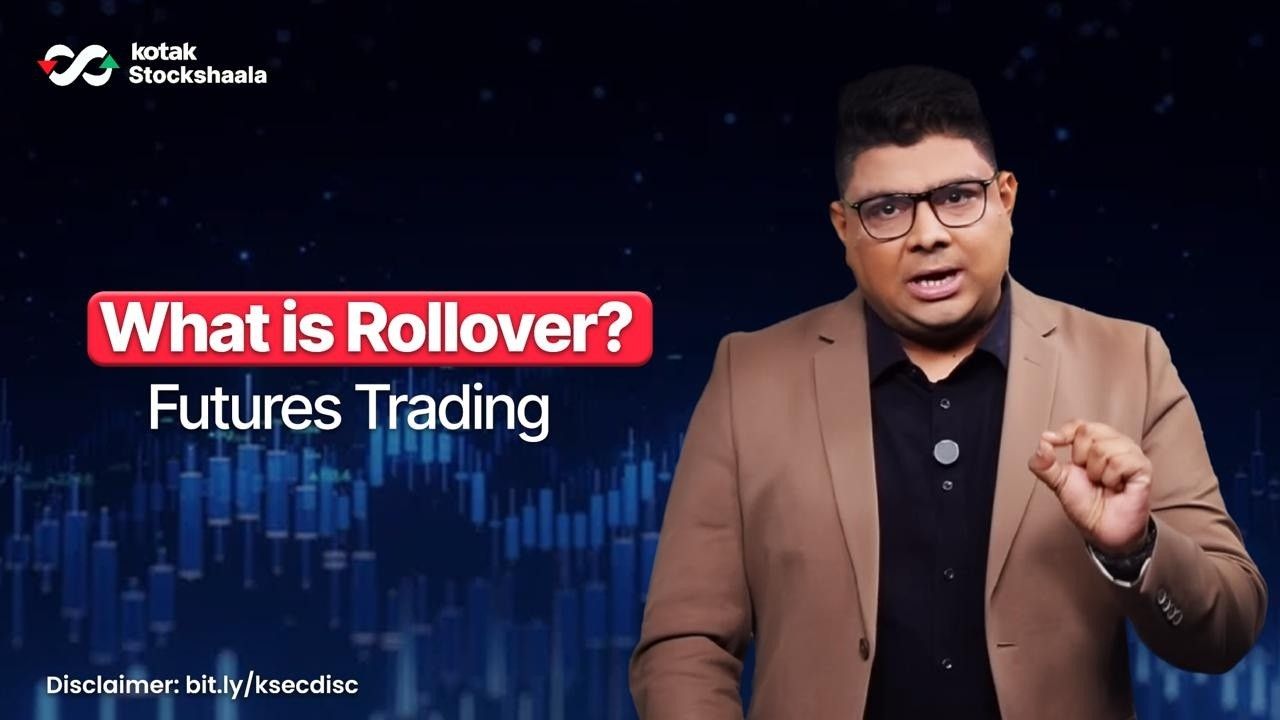
Futures Rollover: How to Carry Your Position Forward
When a futures contract nears expiry, you don't have to close your trade — you can roll it over. This video explains how rollovers work, the difference between rollover premium and discount, and why high rollover activity signals that traders still believe in a stock or index's next move.
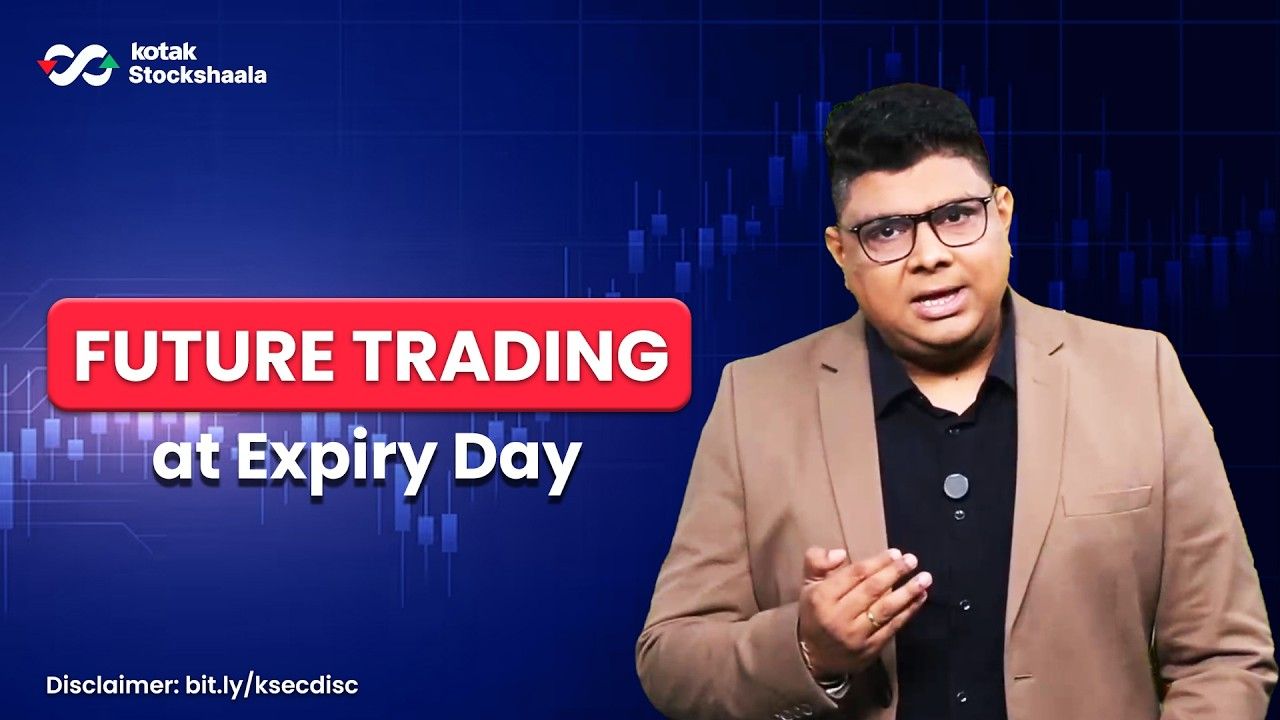
What Happens to Your Futures Trade on Expiry Day?
Expiry day in futures isn't just another trading session — positions behave differently and settlement rules apply. This video explains how index futures are cash-settled, what happens if you don't close your position, and the key decisions you need to make before the market closes on expiry.
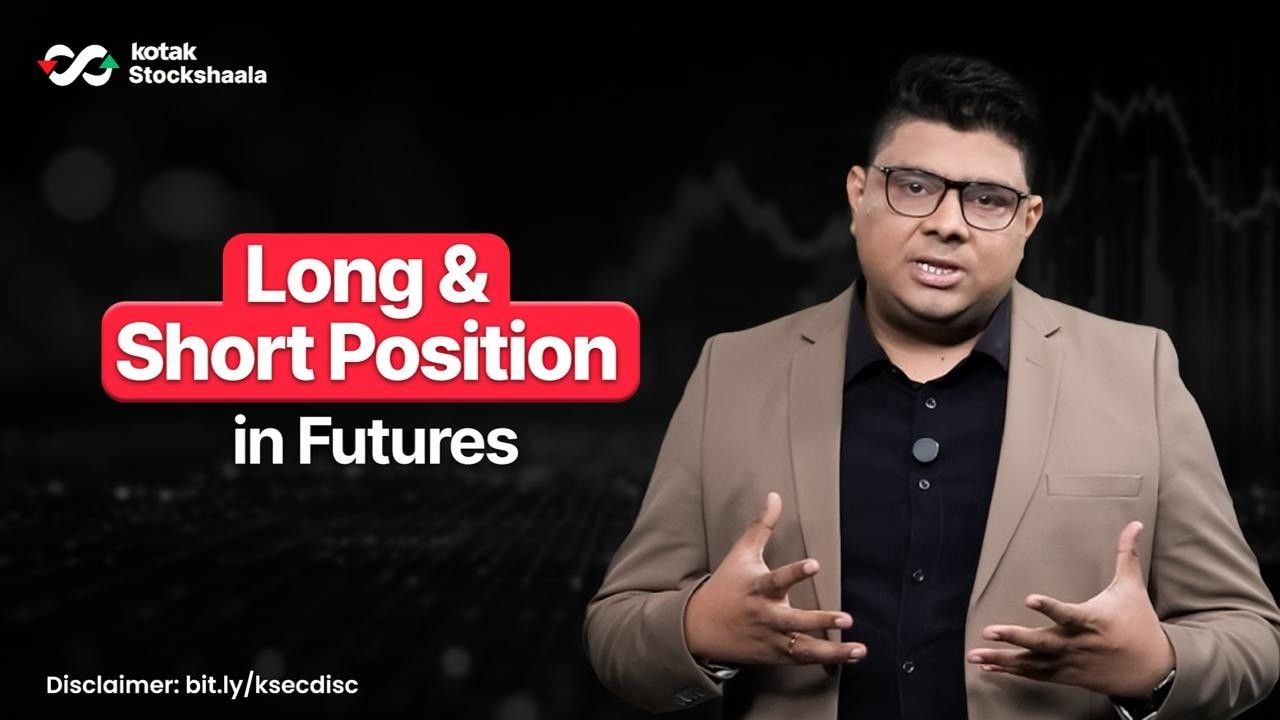
Long vs Short Positions in Futures: How Traders Profit Both Ways
Futures let you profit whether the market rises or falls. This video explains long and short positions with Nifty examples — when to buy futures, when to short them, and how the simple price-times-lot-size formula determines your exact profit or loss on every trade.
Recommended Courses for you















Learn, Invest, and Grow with Kotak Videos
Explore our comprehensive video library that blends expert market insights with Kotak's innovative financial solutions to support your goals.
Trading with collateral as margin with Kotak Neo

How India is Redefining Space Exploration