US–Japan $550 Billion Trade Deal Puts Energy And Minerals At The Core
 Add Preferred News Source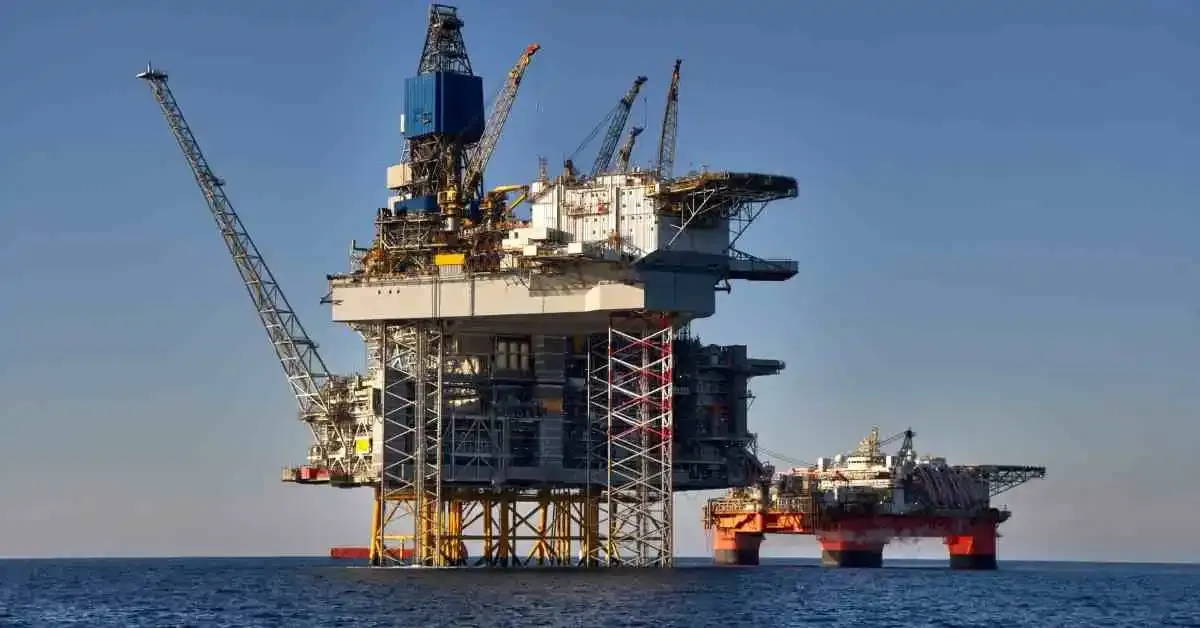
The U.S.–Japan trade deal worth $550 billion was finalised, outlining key projects and cooperation areas. The agreement focuses on clean energy, critical minerals, and supply-chain resilience, with both countries.
The United States and Japan have announced the first concrete projects under their $550 billion trade and investment agreement, a pact designed to deepen bilateral economic ties and reduce trade tensions between the two countries.
What Is The $550 Billion Deal About?
Within the scope of the trade deal signed in July 2025, Japan has committed to investing $550 billion in the U.S. industries up to 2029. In exchange, the United States agreed to reduce threatened tariffs on Japanese imports from 25% to 15%.
The first set of projects announced this week is worth about $36 billion. The funds will go into three large infrastructure projects in energy and critical minerals, as mentioned by Donald Trump. This forms the first part of the broader investment plan.
Which Projects Have Been Announced?
The first investment package includes a set of major infrastructure and industrial projects in the United States, with details as follows:
1. Natural Gas Power Plant (Ohio)
A planned 9.2 gigawatt natural gas–fired power facility in Portsmouth, Ohio, to be operated by SB Energy (a SoftBank Group subsidiary). The plant will generate 9.2 gigawatts and will be one of the largest natural gas plants in the U.S., powering 7.4 million homes.
2. Deep-Water Crude Oil Export Terminal (Texas)
Japan will fund a $2.1 billion deep-water crude oil export facility in Brazoria County, Texas, which will be operated by Sentinel Midstream. The US Commerce Department has predicted that the project will greatly expand the US energy exports, and the crude shipment is projected to be between 20 and 30 billion dollars a year.
3. Synthetic Diamond Manufacturing Plant (Georgia)
A $600 million synthetic industrial diamond manufacturing plant will be set up in Georgia and will be operated by Element Six (a De Beers unit). It is designed to reduce U.S. reliance on imported diamond grit used in advanced manufacturing and semiconductor production.
Why Do These Projects Matter?
The projects are intended to boost energy security, industrial capacity, and supply-chain resilience, particularly in areas such as energy infrastructure and the critical minerals sector, which are seen as vital to long-term economic and national security interests.
It is projected that the natural gas plant alone will produce electricity that is equivalent to several nuclear reactors serving millions of homes at full capacity.
What Does This Mean For Economic Ties?
The $550 billion agreement not only reduces trade barriers but is also structured to bring substantial Japanese capital into U.S. industrial projects across multiple states. Trump described the initiative as a significant boost to American industry and job creation.
Within the wider agreement, Japanese importation tariffs were reduced, and the commitment of investments can be viewed as a strategic measure to strengthen the cooperation between the U.S. and Japan, particularly in the areas of energy, rare materials and cutting-edge production.
These investments are highly in line with the broader American policy of decreasing reliance on China in major strategic areas, such as critical minerals, semiconductor inputs, and energy security.
Through the reinforcement of domestic production capacity by the construction of projects such as a synthetic diamond production plant and the deepwater oil export terminal, the US may intend to diminish the influence of Beijing on international supply chains.
This becomes especially significant amid rising geopolitical tensions, including concerns around Taiwan and ongoing trade friction between the two economies.
Also Read - US Tariff Call Likely Within 3-4 Days; 18% Rate Under Discussion
What Does This Mean For Indian Investors?
The deal has relevance for investors, as it is an indicator that global supply chains are slowly moving out of China, and this may indirectly positively influence the export and manufacturing prospects of India. The effect on the market, however, will be based on the rate of these projects being announced and implemented.
To Indian investors, this could affect the global commodity and energy-related industries with increased US export capability and rapid diversification of its supply chain beyond China, which indirectly would help India secure its niche as an alternative source and production centre.
However, market participants should continue to watch execution timelines closely, as delays or regulatory hurdles could impact how quickly these benefits translate into measurable economic and market outcomes.
Sources:
NDTV Profit
Kotak Neo News Desk is a team of enthusiastic market observers backed by Kotak’s 30+ years of legacy, working round the clock to bring the latest news about equities, IPOs, corporate developments, commodities, and economic trends from the financial world.
This article is for informational purposes only and should not be considered investment advice from Kotak Neo. For compliance T&C and disclaimers, Visit https://www.kotakneo.com/disclaimer/

Kotak News Desk brings you latest updates, expert insights, and market-ready ideas - helping you stay informed and invest smarter.
Connect on: Linkedin
0 people liked this article.