As Supply Tightens, Russian LNG At 40% Discount Is Back In Play
- By Kotak News Desk
- 09 Apr 2026 at 4:16 PM IST
- Market News
- 4m
Stay updated with the latest stock market developments and trends.
You can set Kotak Neo as a preferred source to receive regular market updates.

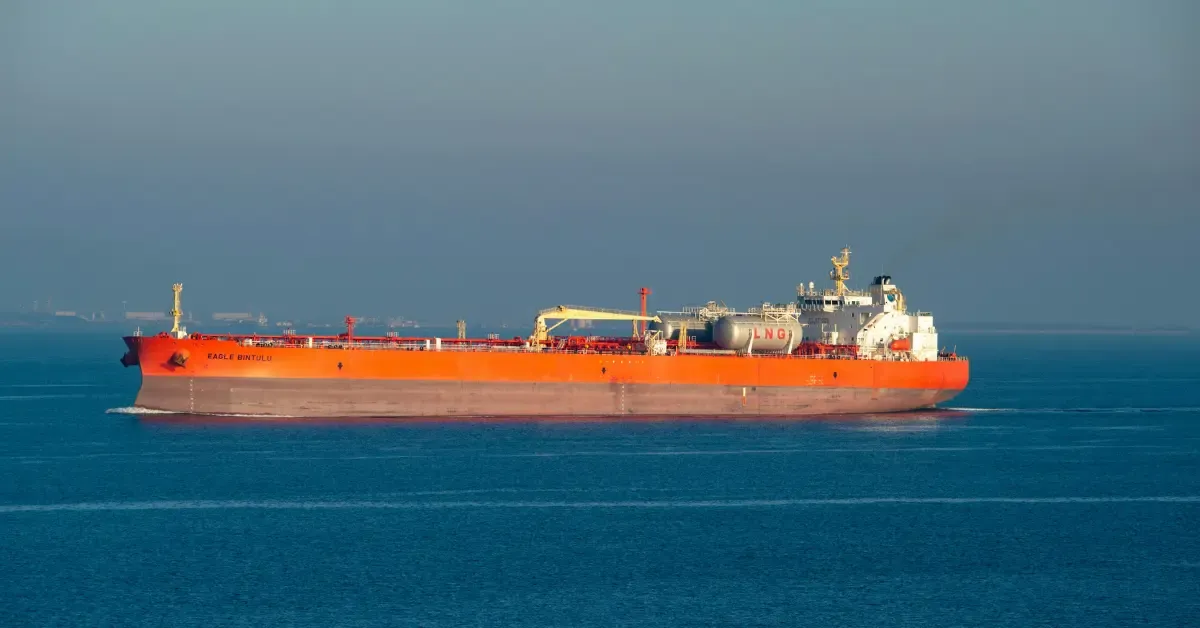
Russian LNG is being sold at steep discounts, close to 40%. Buyers are stepping in, even as the risks remain. However, India continues to take a cautious approach.
Russia is offering liquefied natural gas (LNG) to Asian buyers at discounts of up to 40%. This comes even as parts of its energy sector remain under Western sanctions.
These cargoes are linked to blacklisted projects, so the trade is not straightforward. Yet, they are still reaching the market. With demand holding up in Asia, some buyers are willing to work around the constraints.
Is this simply buyers taking advantage of lower prices, or does it hint at a larger change in global energy flows?
Why Is Russia Offering Sanctioned LNG At Steep Discounts?
The backdrop here is the Russia-Ukraine war. Since then, several Russian energy projects have faced sanctions from the United States of America and other Western countries, limiting access to financing, shipping, and insurance.
Some of these projects have effectively been blacklisted. That makes it harder for Russia to sell freely in global markets, particularly to Europe, which was once a major buyer.
But this has not stopped Russia from selling.
With fewer traditional buyers, supply is starting to build up. And when that happens, pricing becomes the easiest way to clear it. Discounts of up to 40% are not just strategic; they are necessary to keep cargo moving, even if it means earning less.
What Is Driving The Demand?
The demand from Asian countries is being pushed by supply disruptions in regular routes.
The effective closure of the Strait of Hormuz, along with attacks on major LNG infrastructure in Qatar, has tightened global supply. Qatar, one of the world’s largest LNG exporters, has seen shipments come to a standstill, forcing buyers to look elsewhere.
Countries like Bangladesh have been hit hard. Nearly 60% of its LNG came from Qatar last year. With those supplies disrupted, it has had to turn to the spot market, often paying significantly higher prices than its long-term contracts.
The impact is spilling over into domestic sectors as well. Both Bangladesh and India have had to cut gas supply to fertiliser units due to reduced LNG availability.
With supply tightening and costs rising, buyers are being pushed to look beyond traditional sources. That is where Russian cargo starts to come into the picture.
China has so far been the primary buyer of this sanctioned LNG, bringing it in through a network of shadow fleet vessels. That has helped Russia keep exports moving, despite limited access to traditional markets.
For buyers, the logic is simple. When supply tightens and prices rise, cheaper LNG becomes difficult to ignore.
Also Read - India Bond Yields Rise to 6.94% As Oil Climbs Above $97
Where Does India Stand?
India, for now, is staying cautious. The government has indicated that it will not import LNG from blacklisted Russian projects.
That said, India’s approach to energy is rarely rigid. For instance, India recently resumed oil imports from Iran after a US waiver eased restrictions. That was after a gap since 2019.
Alongside, it is also trying to build more supply at home and expand gas infrastructure.
Despite this, imports continue to be critical. Companies in the oil and gas sector, like Petronet LNG and GAIL, depend heavily on imported LNG. When global supply tightens, input costs rise, which can put pressure on margins.
If supply pressures persist, India’s approach from here will be something to watch.
Sources:
Moneycontrol
Business Standard
Reuters
This article is for informational purposes only and does not constitute financial advice. It is not produced by the desk of the Kotak Securities Research Team, nor is it a report published by the Kotak Securities Research Team. The information presented is compiled from several secondary sources available on the internet and may change over time. Investors should conduct their own research and consult with financial professionals before making any investment decisions. Read the full disclaimer here.
Investments in securities market are subject to market risks, read all the related documents carefully before investing. Brokerage will not exceed SEBI prescribed limit. The securities are quoted as an example and not as a recommendation. SEBI Registration No-INZ000200137 Member Id NSE-08081; BSE-673; MSE-1024, MCX-56285, NCDEX-1262.
Kotak News Desk brings you latest updates, expert insights, and market-ready ideas - helping you stay informed and invest smarter.
Connect on: Linkedin
0 people liked this article.