Iran Crisis: India’s Oil Supply Intact, Price Volatility In Focus
- By Kotak News Desk
- 02 Mar 2026 at 3:01 PM IST
- Market News
- 4 minutes read
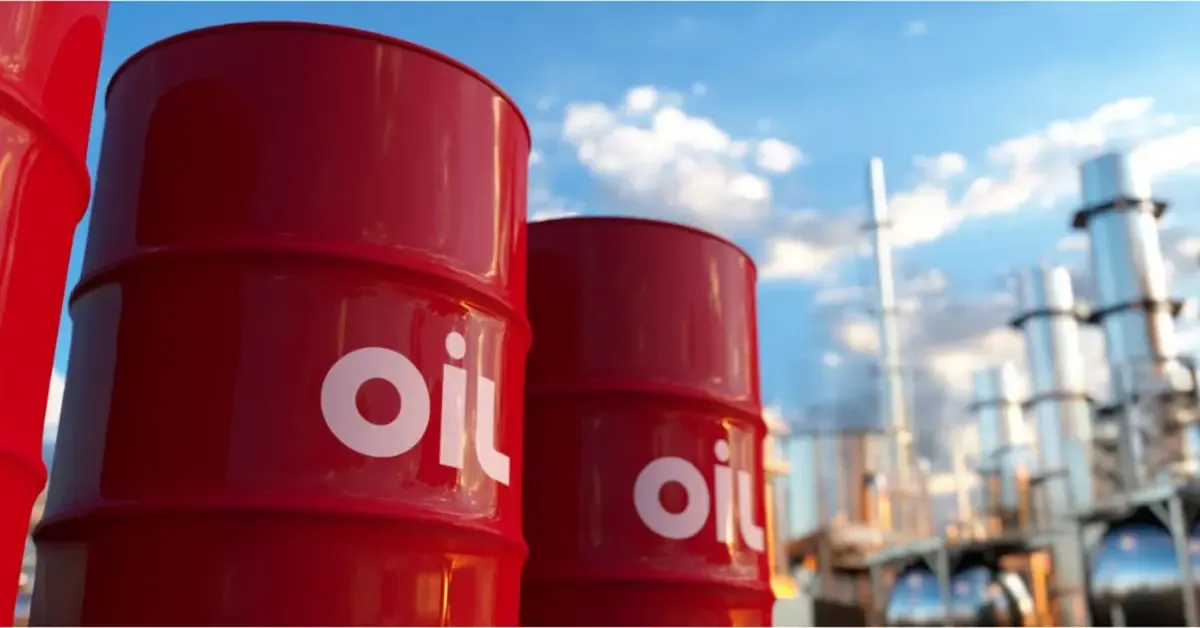
Amid the Iran crisis, India’s oil supply remains stable with 10–15 days of crude stocks, even as 2.5–2.7 million barrels per day flow via Hormuz.
Tensions in West Asia have once again turned attention to the Strait of Hormuz, a narrow but critical sea lane through which a significant share of the world’s energy supplies move.
Despite reports that Iran has shut the Strait in response to the recent military strikes, officials indicate that India is not facing an immediate physical disruption in oil supplies.
The bigger concern, at least for now, lies in crude prices, freight costs and the broader economic ripple effects that tend to follow geopolitical volatility. Monday saw around a 12% spike in crude prices.
For upstream oil and gas corporations like ONGC and Oil India, an increase in crude prices is beneficial. This is because increased prices can result in better realisations and improved revenue per barrel.
However, oil and energy will not be the only sectors influenced by the US-Iran conflict in the Strait of Hormuz. Fertilisers, chemicals, aviation, oil marketing, and logistics are some of the industries in India that are expected to be affected by the ongoing crisis, according to analysts.
Is India’s Oil Supply At Immediate Risk?
India’s refiners currently hold between 10 and 15 days of crude oil inventories, including volumes stored in tanks and those already in transit. In addition, fuel stocks are sufficient to cover roughly 7 to 10 days of domestic consumption.
Around 2.5–2.7 million barrels per day (bpd) of India’s crude imports pass through the Strait of Hormuz. The route is equally critical for natural gas and petroleum gas; about 60% of India’s liquified natural gas (LNG) imports and almost all liquefied petroleum gas (LPG) shipments transit this corridor.
Regional economies such as Saudi Arabia and Qatar depend heavily on uninterrupted exports, making a prolonged disruption costly for multiple stakeholders.
For now, the working assumption within official circles is that the closure, if sustained at all, would last less than a week.
What Backup Options Does India Have?
India’s crude sourcing has diversified significantly over the past few years. Besides the Middle East, refiners can tap suppliers in Russia, the United States, West Africa and Latin America.
If Gulf flows are disrupted, purchases from Russia could be increased again. The constraint, however, is logistical. A vessel from the Middle East takes roughly 5 to 7 days to reach Indian shores, and cargoes from Russia can take about a month.
There is also the cushion of Strategic Petroleum Reserves. Combined with operational crude stocks and inventories of diesel, petrol, Aviation Turbine Fuel (ATF) and LPG, these reserves add another layer of comfort.
Unlike crude, most LNG volumes are tied to long-term contracts, and spot market liquidity is limited. If India or China were forced to seek alternate cargoes simultaneously, prices could escalate quickly.
Also Read - OPEC+ Announces Oil Production Boost
What Can Be The Impact On The Indian Economy?
Crude markets have already reacted. Brent futures climbed to USD 82.37 per barrel on 2 March 2026, the strongest level since late January 2025.
If supply worries begin to look credible, Brent could edge above the USD 90 per barrel mark. Markets tend to react quickly when geopolitical risks start affecting trade routes.
For India, the concern is cost rather than availability. A sustained rise in crude would lift the import bill, while freight and war-risk insurance premiums usually climb during such periods.
There is also a structural angle: India had recently pivoted back toward Middle Eastern crude, trimming some Russian volumes. That has increased near-term exposure to Hormuz-linked risks. Still, diversified sourcing and the option to revert to Russian grades provide flexibility.
Most analysts view a sustained full closure of the Strait as a low-probability outcome, partly because it would also hurt export revenues of countries in the region.
The general assumption at the moment is that price volatility, rather than a long-term supply shortage, is the main source of risk.
Sources:
ET
Hindustan Times
Mint

Since its incorporation on 20 July 1994, Kotak Neo has grown into one of India’s most trusted brokerage houses - backed by over 30 years of expertise across stocks, funds, IPOs, and full-service investing.
With a pan-India footprint of 145+ branches, 1000+ franchises and presence across 310+ cities, Kotak Neo serves 5 million+ customers nationwide.
From equities and IPOs to mutual funds and derivatives, Kotak offers comprehensive, research-backed investment solutions - simplifying wealth management for retail and institutional clients alike.
Kotak News Desk brings you latest updates, expert insights, and market-ready ideas - helping you stay informed and invest smarter.
Connect on: Linkedin
0 people liked this article.