BS-VII Likely By 2027; Norms To Widen Beyond Petrol And Diesel
- By Kotak News Desk
- 08 Apr 2026 at 12:47 PM IST
- Market News
- 4m
Stay updated with the latest stock market developments and trends.
You can set Kotak Neo as a preferred source to receive regular market updates.

With BS-VII expected by 2027, emission norms are set to expand beyond petrol and diesel. CNG, EVs, and costs come into play. Investors will need to track how companies respond.
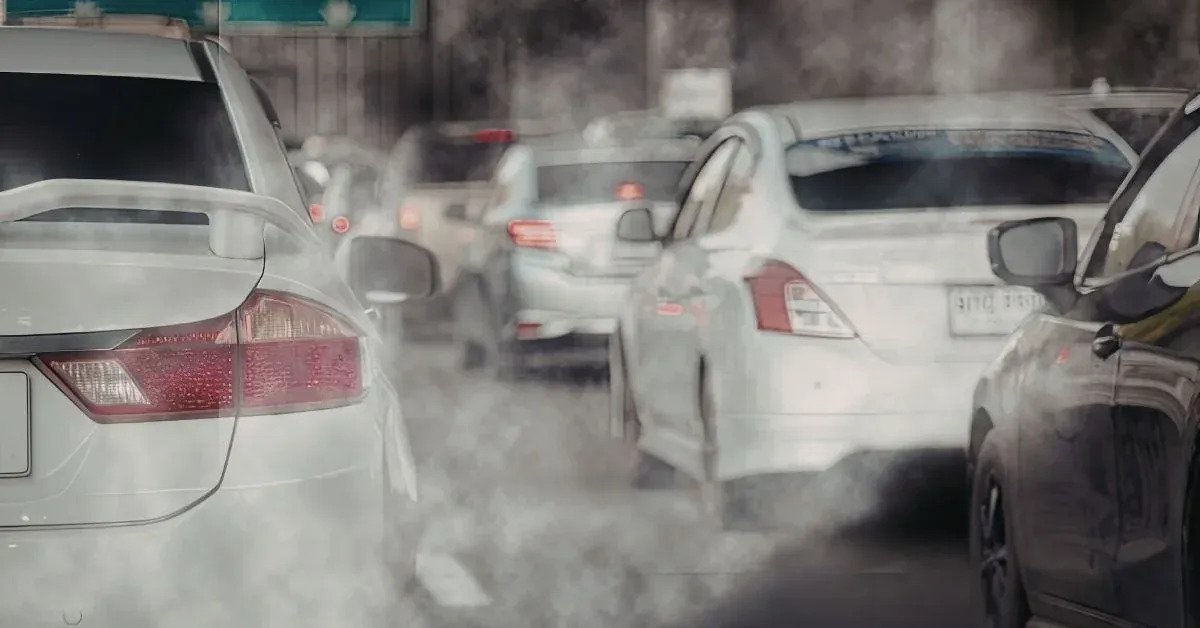
India is preparing its next round of emission norms, with BS-VII likely to come into effect around 2027. The proposal does more than tighten limits for petrol and diesel vehicles. It brings CNG vehicles into sharper focus and, for the first time, looks at regulating EV batteries as well.
The shift suggests regulators are looking beyond the pollution that vehicles release while running. So, what exactly is changing here?
What Changes Are Being Proposed Under BS-VII?
BS-VII is expected to tighten emission limits across vehicle categories. The standards will go beyond what was introduced under BS-VI.
One of the more important shifts is the focus on real driving emissions. Vehicles will not be assessed only in controlled lab environments. Instead, testing and monitoring are likely to happen under actual on-road conditions. The idea is simple. Emission levels should stay within limits during everyday use, not just at the time of certification.
CNG vehicles are also set to come under stricter regulation. They have long been positioned as cleaner alternatives. That is now being reassessed. The proposed norms may bring in tighter emission thresholds and expand the range of pollutants being tracked for these vehicles, with ammonia likely to be included as well.
Electric vehicles are being brought into the regulatory framework differently. They do not produce exhaust emissions, so the focus shifts elsewhere. Attention is moving to batteries. The government is evaluating standards around battery performance and durability.
Put together, these changes point to BS-VII moving closer to Euro VII norms. The focus is on reducing pollution from vehicles.
How Have Bharat Stage Norms Evolved Over Time?
India introduced Bharat Stage norms in 2000 to control vehicle emissions. They have been tightened in phases since then.
The biggest jump came in 2020 when the country moved straight from BS-IV to BS-VI.
Costs went up, and diesel vehicles became more expensive to produce. Some manufacturers stepped back from smaller diesel cars altogether. At the same time, cleaner fuel and better technology became the norm.
BS-VI also started bringing in real-world testing, and BS-VII is expected to push that further.
Also Read - L&T Shares Jump Over 8% In Early Trade As West Asia Tensions Ease
What Does This Mean For Automakers and Investors?
For companies in the auto sector, this transition is not unfamiliar, but it can still weigh on their businesses. Tighter emission norms typically translate into higher compliance costs. This includes investments in engine upgrades, additional emission control systems, and changes in vehicle design.
Larger manufacturers with stronger balance sheets and prior investments in cleaner technologies are likely to be better placed. For smaller players, the situation could be tighter. Absorbing these costs is not easy without scale or enough capital.
From an investor’s lens, the focus shifts to preparation. How companies handle pricing will matter. So will their ability to pass on costs without hurting demand. Progress on technology upgrades is another piece to watch.
The EV space is also evolving alongside this. Battery-related norms could shape how the segment develops from here.
A lot will depend on how these rules are eventually rolled out. And more importantly, how well companies manage the transition.
Sources:
ETAuto
Financial Express
This article is for informational purposes only and does not constitute financial advice. It is not produced by the desk of the Kotak Securities Research Team, nor is it a report published by the Kotak Securities Research Team. The information presented is compiled from several secondary sources available on the internet and may change over time. Investors should conduct their own research and consult with financial professionals before making any investment decisions. Read the full disclaimer here.
Investments in securities market are subject to market risks, read all the related documents carefully before investing. Brokerage will not exceed SEBI prescribed limit. The securities are quoted as an example and not as a recommendation. SEBI Registration No-INZ000200137 Member Id NSE-08081; BSE-673; MSE-1024, MCX-56285, NCDEX-1262.

Kotak News Desk brings you latest updates, expert insights, and market-ready ideas - helping you stay informed and invest smarter.
Connect on: Linkedin
0 people liked this article.