Types Of Traders In The Stock Market – A Complete Guide
- 4 min read
- 1,010
- Published 27 Feb 2026
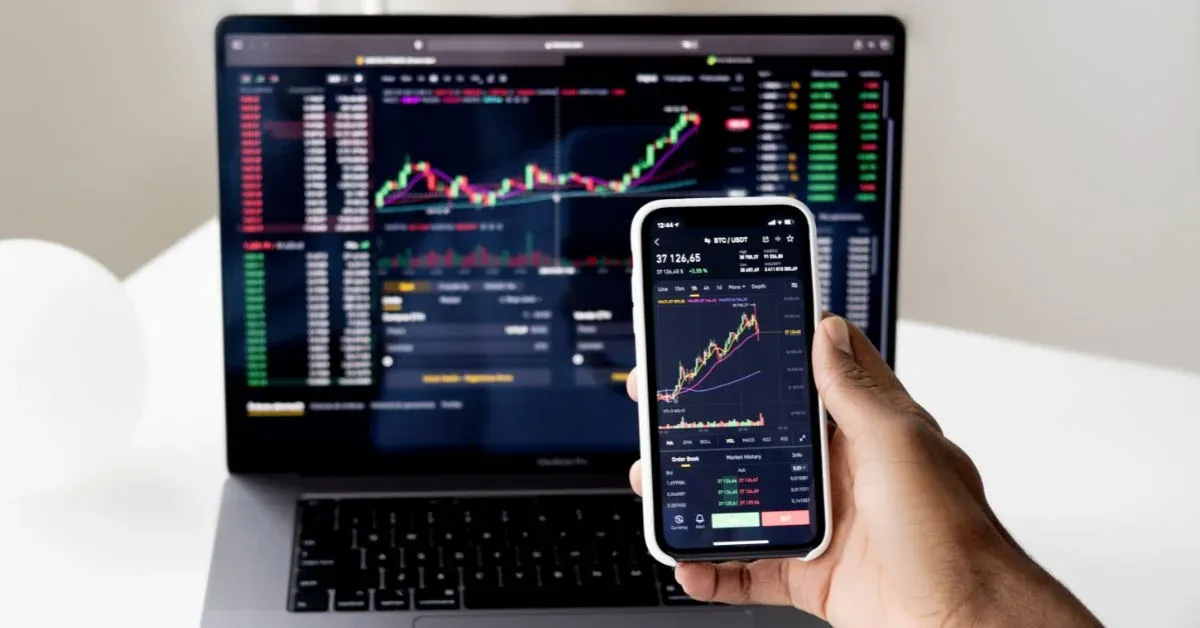
The stock market is not just about buying low and selling high. In fact, it’s a big ecosystem where you can find various types of traders. These traders function through unique styles and have different ambitions. Each type of trader has its own time horizon and strategies that aim to profit from market movements.
Understanding different types of traders in the stock market will help you decide which style suits your personality, capital and goals.
Who Is A Trader In The Stock Market?
A trader is the individual or business entity who buys and sells shares, derivatives or commodities with a major objective to make profits from price movements. Traders usually focus on short-term to medium term opportunities.
They make decisions based on technical analysis and price charts. They buy and sell within minutes, hours or a few days. Successful traders follow strict risk management and are very disciplined.
Types Of Traders In The Stock Market
Here are the major types of traders in the stock market: -
-
Intraday Traders
Intraday traders buy and sell stocks on the same day and gain profit from short-term price changes. They open and close positions within the same trading session. Intraday trading requires a lot of discipline and time commitment. You need to learn various technical analysis tools and keep a close eye on market news.
-
Swing Traders
Swing traders capitalise on short-term market trends and patterns. They hold stock for days and weeks and profit from short-term price movements. Swing trading is ideal for individuals with day jobs, as they don’t have the time to monitor screens constantly.
-
Scalpers
Scalpers are ultra-short-term traders. They take multiple trades in a single day and aim for small but frequent profits. The profits here are very small; hence, traders need to be aware of real-time price trends and maintain speed and precision in their trades. That is because even a minor delay can make or break a trade.
-
Positional Traders
Positional traders hold stock for weeks to months and focus on larger price trends. They are not focused on daily fluctuations but emphasise trend direction. They blend technical analysis with fundamental analysis. This style requires a lot of patience and capital stability because price corrections can take time.
-
Momentum Traders
Momentum traders aim to benefit from strong and fast price moves in the market. They focus on stocks that are already showing clear upward or downward momentum. Such movements are often triggered by earnings results, policy announcements, sector developments or shifts in overall market sentiment. The idea is to enter while the trend is strong and exit before the momentum fades.
-
Algorithmic Traders
Algo traders make use of computer programs to execute trades based on set rules. In India algo trading is gaining a lot of popularity among tech-savvy traders. Algo trading removes the emotional aspect present which results in efficient trading.
-
Arbitrage Traders
Arbitrage traders benefit from the price differences between two markets or instruments to lock in risk-free profits. It is good for those who have enough money and tech expertise. In India, it is very popular in the Future and Options market and during IPO listings.
Trader Vs Investor – Key Differences
Time Horizon | They invest for the short term. | They invest for the long term. |
Risk Involved | They take a high risk as they try to gain from short-term volatility. | The risk is low as they buy stocks for the long term. |
Psychology | Traders welcome risk and try to take advantage of short terms market trends. | Investors are relatively risk averse. Hence, they invest for the long term to avoid market volatility. |
Decision Making | They make decisions based on technical analysis. | They make decisions based on fundamental analysis. |
Profit Goal | They aim for quick gains from price changes. | They aim for wealth creation over time. |
How To Choose The Right Trading Style?
The Indian stock market is a vast arena where you can find various types of traders pursuing their own financial goals. As seen in this blog, there are different trading styles. Now, which style you should choose depends on your risk appetite, your personality and the time you have.
Every style comes with varying timeframes and strategies that require unique knowledge, skills, and research. You can evaluate the risks and benefits of each style before adopting any of them. In an early stage, you can try different styles. As you gain more market knowledge and experience, you shall decide which style to stick with.
Frequently Asked Questions
0 people liked this article.