Trump Signals War Could End Soon, But Experts Warn Of Continued “Oil Shock”
- By Kotak News Desk
- 02 Apr 2026 at 12:48 PM IST
- Market News
- 4 minutes read
Stay updated with the latest stock market developments and trends.
You can set Kotak Neo as a preferred source to receive regular market updates.

Donald Trump hinted at a possible end to the Iran conflict, but mixed signals have kept markets uncertain. Experts warn that oil supply risks could continue to pressure global and Indian markets.
While President Donald Trump is publicly hinting that the conflict with Iran could wrap up soon, financial experts are not convinced. There is a massive gap between the President's optimistic speeches and the harsh reality on the ground. This disconnect is making global markets - and especially Indian stocks - extremely nervous.
In his latest update, Trump claimed that US military goals are "nearly finished." However, he also threatened to ramp up strikes for another two or three weeks. This confusing mix of "peace talks" and "more bombing" has kept oil prices high and traders on edge.
The Indian stock market indices fell by more than 2% on Thursday, 2 April 2026.
The Disconnect Between Politics And Profits
A top strategist at a global investment management firm warns that companies should not get distracted by the headlines. He believes the market is being too hopeful about a quick fix. The firm suggests that Trump’s talk of a "near-term wrap-up" might just be a strategy to calm the public, rather than a reflection of what is actually happening in the Middle East.
James Bowden, another market strategist, is even more skeptical. He argues that Iran is prepared for a long war and will not simply back down because of a few speeches. He also warned that we shouldn't expect the Strait of Hormuz to open anytime soon. Since a huge portion of the world's energy passes through that narrow water path, any delay in reopening it is a major problem for the global economy.
Why Is India In The Danger Zone?
For investors in India, the biggest threat is the price of oil. Market experts expect energy disruptions to last for at least another month or two. They predict the Strait of Hormuz will stay closed for at least three more weeks.
This creates a "triple threat" for India:
-
Inflation: High oil prices make everything from transport to food more expensive.
-
Currency Weakness: The Rupee is under pressure as India spends more on energy imports.
-
Corporate Margins: Companies are seeing their profits shrink as their fuel and raw material costs skyrocket.
Also Read - Rupee Jumps 1.4% In Early Trade After RBI Tightens Speculative Trades
How Did The Indices React?
The Indian stock market reacts sharply to these developments. Most indices were trading in the red during early hours on Thursday, 2 April 2026.
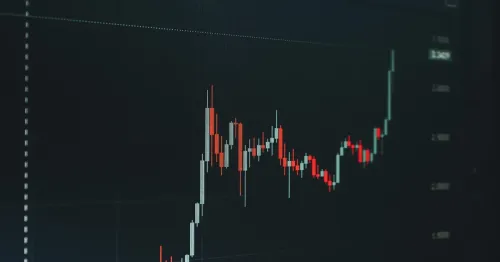
At around 11 AM, the Sensex was down by more than 1,400 points to trade at 71,727.08. The Nifty 50 was also trading lower by around 2% at 22,246.80.
Bank Nifty and Fin Nifty were also down by around 2.5% to trade at 50,121.75 and 23,443.25, respectively.
Sources:
NDTV Profit
The Economic Times
Moneycontrol
BBC News

Kotak News Desk brings you latest updates, expert insights, and market-ready ideas - helping you stay informed and invest smarter.
Connect on: Linkedin
0 people liked this article.