PaRRVA: SEBI’s New System To Stop Mis-Selling In Markets
- By Kotak Neo Team
- 29 Dec 2025 at 6:54 PM IST
- Market News
- 4 min read
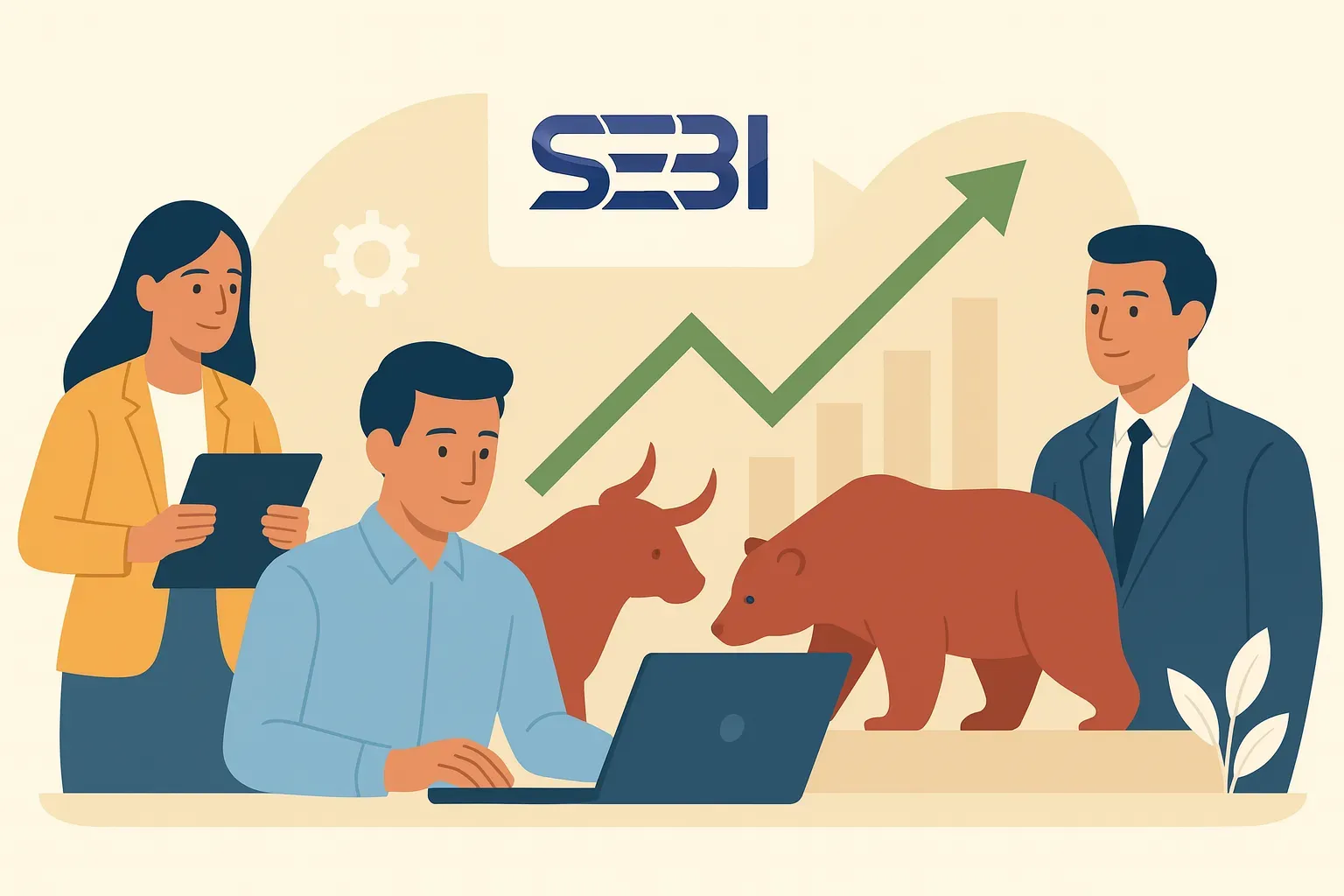
India’s market regulator has launched a new verification agency to fight the mis-selling of investment products. The Securities and Exchange Board of India (SEBI) has rolled out the Past Risk and Return Verification Agency, or PaRRVA, as a tech-based system to check claims about past returns. The platform will create a standard way to report performance and will leave a digital trail for every claim. What could this mean for investors, advisers and the way performance is shown in the market?
What Is Parrva And Why Has SEBI Created It?
PaRRVA is a new, independent risk and return verification agency. It has been launched as a pilot in partnership with NSE and CareEdge Ratings. India is the first country to have such a standard framework for checking investment performance claims.
The system will verify past returns and risk numbers that intermediaries show in ads, pitch decks and communication. This includes investment advisers, research analysts, portfolio managers and algo providers. The aim is to stop exaggerated or fake performance charts that can mislead small investors.
SEBI’s chairperson said performance data must be credible and consistent. Many “finfluencers” and unregistered advisers have used social media to promote very high return claims without proof. PaRRVA will bring a standard check on such numbers and help clean up the advisory space.
If PaRRVA focuses on checking claims, how will this change day-to-day working for market players?
How Will PaRRVA Work?
PaRRVA will act like a central checker of performance records. Intermediaries that want to show past returns in ads or investor documents will need to get those numbers verified through this agency. Only verified returns can be highlighted as “track record”.
The agency will use digital audit trails. It will look at actual trade data, portfolio records and benchmarks, then calculate risk and return using standard rules. This reduces cherry-picking, such as showing only the best periods or ignoring bad months.
The framework is expected to cover:
- Registered investment advisers and research analysts.
- Portfolio managers and mutual fund distributors who highlight model returns.
- Algo providers and signal sellers under SEBI rules.
SEBI has also asked brokers and mutual funds to cut links with unregistered “finfluencers” who push stock tips and paid training with unverified returns on WhatsApp, Telegram and other platforms. PaRRVA will support these steps by giving a reference point for genuine, checked performance data.
If these systems start to run at scale, what should investors and intermediaries watch next?
What Changes Should The Market Watch?
First, watch the rollout timeline. PaRRVA has started as a pilot. SEBI will likely expand coverage after testing systems and may make verification mandatory for more categories over time. Any circulars or updated rules on who must use PaRRVA will be important.
Second, track how many intermediaries sign up and how often they use the service. Higher adoption will mean more ads and presentations will carry verified numbers instead of untested claims. That will help compare products and strategies more fairly.
Third, observe enforcement actions. SEBI has already increased action against unregistered financial influencers. With PaRRVA live, the regulator can more easily show which return claims are false. This may lead to more fines, bans and stricter rules on advertising in the coming months.
Fourth, the quality of disclosures may improve. If advisers and platforms know that every number can be checked against raw data, they may simplify communication, show full time periods and explain risks more clearly.
With India becoming one of the first markets to roll out a formal performance-verification framework and SEBI pushing PaRRVA as a central tool, the key question now is, will stricter checks on returns change how products are sold and make the advisory ecosystem more transparent in practice?
Sources:
mint
Business Standard
ETGovernment.com
Securities and Exchange Board of India
Reuters

Kotak Neo (Kotak Neo) is India's venerable stockbroking company with a rich legacy. It offers comprehensive investment services across asset classes, prioritising a technology-first approach for a seamless experience. Trusted by 5 million+ customers, it guides you toward financial success with ease of investment and speed of trade.
Note: The opinions expressed in this blog are personal viewpoints and should not be construed as recommendations.
0 people liked this article.