US Tariffs: Where India Stands
- By Kotak News Desk
- 26 Feb 2026 at 5:55 PM IST
- Market News
- 3 min read
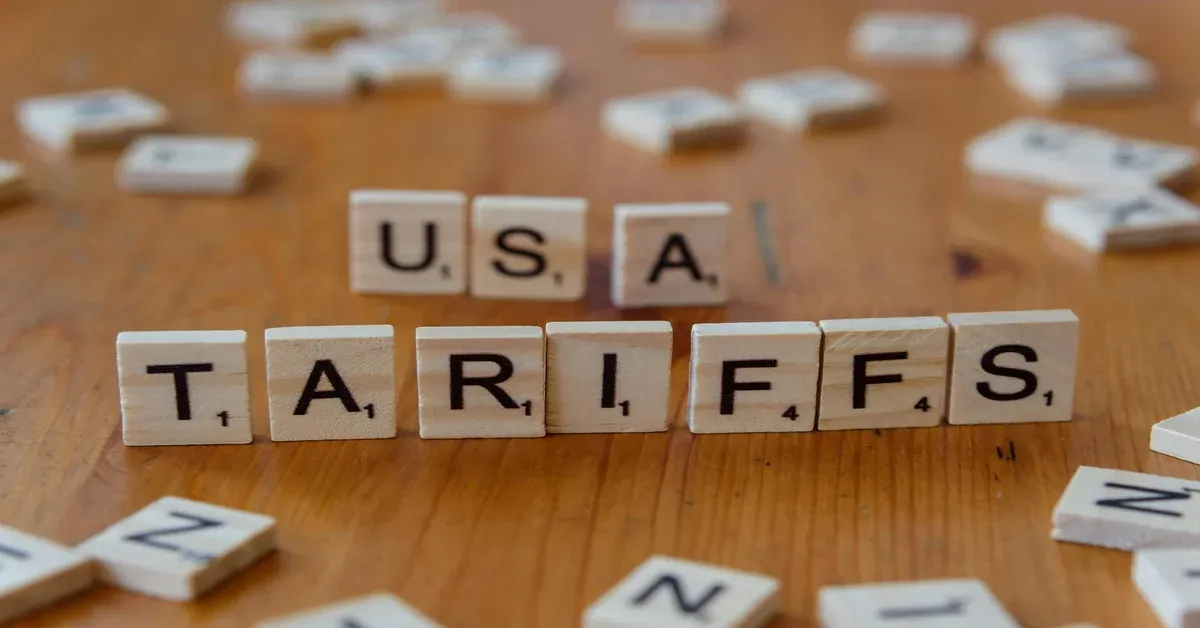
India may be better placed than some peers after fresh US tariff moves, but Section 122 could narrow its edge. Read more to understand what this means for markets and investors.
India currently sits in what can best be described as a middle zone after the latest round of tariff moves in the United States, according to a report by Union Bank of India.
Within Asia, India has so far been among the lower-tariffed economies. It also avoided the harshest reciprocal measures in earlier rounds of trade action. That combination has allowed it to retain some relative breathing room compared to peers that were hit harder.
The report also flags an interesting shift. Countries that previously negotiated bilateral trade deals with the US may face short-term disadvantages in this phase. Meanwhile, those without comprehensive agreements could find themselves relatively better positioned. India, which has engaged but not fully locked in a sweeping agreement, falls somewhere between the two groups.
What Does Section 122 Change?
The backdrop to this development is a ruling by the Supreme Court of the United States, which struck down much of the earlier tariff framework introduced by US President Donald Trump. In response, Trump turned to Section 122 to reimpose tariffs.
The initial signal was a 10% levy across countries. That was later raised to 15% for a maximum duration of 150 days.
For India, the issue is straightforward. A uniform hike reduces the benefit of having previously avoided steeper, targeted measures. If everyone faces a higher baseline tariff, the relative advantage narrows. In effect, India’s exposure rises not because it is singled out, but because the playing field shifts upward for all exporters.
How Are Financial Markets Interpreting This?
The tariff reset has spilled into currency and bond markets. According to the report, the reaction has not been one-directional.
When US long-term interest rates go up, the dollar usually gets stronger because investors want to earn those higher returns. However, it’s a double-edged sword. If those rates are rising because people are worried about the US government debt and overspending, the dollar can actually lose value. In that case, investors aren't buying in because they're excited; they're demanding higher "risk pay" just to hold onto US assets.
After the latest announcements, Treasury yields moved lower as markets reassessed the trade outlook. The report adds that persistent uncertainty around US trade policy may contribute to a softer bias for the dollar over the medium term, especially if expectations of the Federal Reserve’s easing remain intact.
Investor Takeaway
India is not at the centre of the current tariff escalation. However, a broad-based increase under Section 122 reduces the cushion it had built relative to peers. Export-oriented sectors with meaningful US exposure could see pressure if higher duties remain in place for the full 150-day window.
At the same time, currency moves will matter just as much as tariffs. A weaker dollar can partially offset trade headwinds for emerging markets, while volatile US yields may influence global capital flows.
For investors, this is a reminder that trade policy is once again a macro variable. Watching the duration of the tariff measures, signals from the Federal Reserve, and sector-specific exposure to US demand will be critical in assessing near-term risk.
Sources
Economic Times
ANI

Since its incorporation on 20 July 1994, Kotak Neo has grown into one of India’s most trusted brokerage houses - backed by over 30 years of expertise across stocks, funds, IPOs, and full-service investing.
With a pan-India footprint of 145+ branches, 1000+ franchises and presence across 310+ cities, Kotak Neo serves 5 million+ customers nationwide.
From equities and IPOs to mutual funds and derivatives, Kotak offers comprehensive, research-backed investment solutions - simplifying wealth management for retail and institutional clients alike.
Kotak News Desk brings you latest updates, expert insights, and market-ready ideas - helping you stay informed and invest smarter.
Connect on: Linkedin
0 people liked this article.