Petrochemical Imports Get Duty Relief Amid West Asia Tensions
- By Kotak News Desk
- 02 Apr 2026 at 5:48 PM IST
- Market News
- 4m
Stay updated with the latest stock market developments and trends.
You can set Kotak Neo as a preferred source to receive regular market updates.

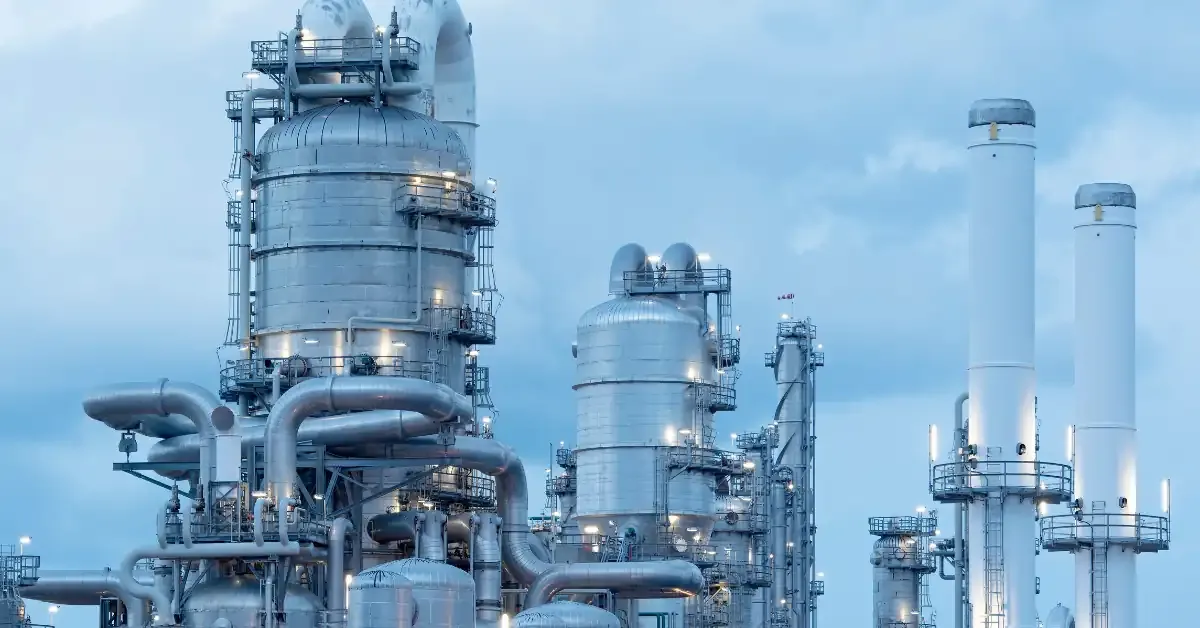
Faced with disruptions in supply due to unrest in West Asia, the government has temporarily removed customs duties on 40 petrochemical products. This relief will remain in place until June 2026, though it is likely to cost the government around ₹1,800 crore in revenue.
Amid supply chains being disrupted by tensions in West Asia, the government has decided to fully waive customs duty on ~40 petrochemical products till the end of June 2026.
According to the Finance Ministry, the decision is meant to:
-
Contain rising input costs
-
Avoid disruptions in production
-
Keep essential raw materials available for the domestic industry
Sectors such as plastics, textiles, packaging, pharmaceuticals, chemicals, and auto components are expected to see direct benefits.
What Is Driving This Decision?
The decision comes in response to disruptions linked to the ongoing conflict in West Asia. These disruptions have led to higher crude oil prices. They have also created uncertainties in supply. India remains significantly dependent on the region. Nearly 90% of its LPG imports are routed through the Strait of Hormuz. About 60% of its LNG imports also pass through this route.
Supply constraints have already begun affecting industries—from shortages of gas for automotive paint shops to rising prices of key inputs like sulphuric acid used in fertilisers and packaging materials.
Domestic petrochemical production has taken a hit. To sustain household fuel needs, the government has shifted critical inputs like propane and butane into LPG output. Refineries and petrochemical facilities are now receiving less gas, as the focus shifts toward sectors considered more essential.
What Products Are Covered?
The exemption covers a wide range of petrochemical inputs. Basic chemicals such as methanol, phenol, acetic acid, toluene, styrene, and monoethylene glycol are included.
The list includes key base chemicals such as anhydrous ammonia, methanol, phenol, acetic acid, toluene, styrene, isopropyl alcohol, and monoethylene glycol (MEG).
It also extends to important intermediates and building blocks like vinyl chloride monomer, vinyl acetate monomer, purified terephthalic acid (PTA), ethylenediamine, toluene di-isocyanate, and linear alkylbenzenes.
Also Read - Elon Musk’s SpaceX Moves Toward Blockbuster IPO, Targets $1.75 Trillion Value
Fiscal Impact And Broader Measures
The government may forgo nearly ₹1,800 crore in revenue due to a short-term duty waiver. It’s expected to last around three months. Still, officials say the actual impact isn’t fixed and could shift with changes in the global economy or geopolitical climate.
To address supply bottlenecks, this step comes as part of a wider policy push. Alongside it, the government has raised LPG allocations for commercial use and set eligibility criteria for access. Special Economic Zone (SEZ) manufacturers are also being offered concessions. In parallel, export credit timelines have been extended by the RBI, aiming to steady trade during ongoing global uncertainty.
Sources:
Business Standard
The Times of India
Kotak News Desk brings you latest updates, expert insights, and market-ready ideas - helping you stay informed and invest smarter.
Connect on: Linkedin
0 people liked this article.