Risks To India’s Subsea Cables Come Into Focus Amid West Asia Tensions
- By Kotak News Desk
- 27 Mar 2026 at 3:10 PM IST
- Market News
- 4 minutes read
Never miss key market movements
Set Kotak Neo as your preferred content on Google.

The Indian government has asked telecom companies to review risks associated with subsea cables amid tensions in West Asia. Recent disruptions have also shown how much of the country’s internet traffic depends on a few key routes.
With tensions continuing in West Asia, India has started looking more closely at subsea cables, something that usually does not get much attention.
These cables handle most of the country’s international internet traffic. After recent disruptions in key routes, telecom companies have been asked to review risks and keep backup plans ready.
So, how exposed is India’s connectivity, and what does this really change?
What Has The Government Asked Telcos To Do?
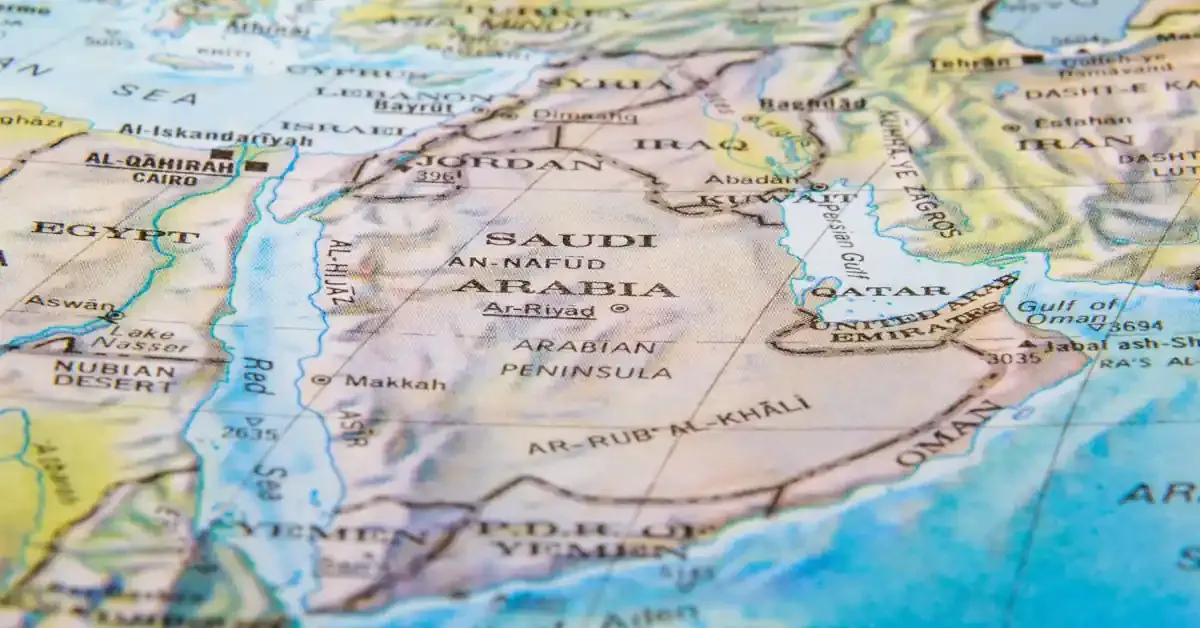
The Department of Telecommunications has asked telecom companies and subsea cable operators to take a closer look at their exposure to global cable routes, especially those running through the Red Sea and nearby areas.
The idea is to map out the key routes and see where the risks are. This includes links connected to the Red Sea as well as the Strait of Hormuz, and analysing what happens if any of them are disrupted.
Operators have also been asked to check how traffic can be shifted if needed, and whether fallback options are in place.
This comes at a time when the conflict in West Asia has raised concerns about shipping routes, where many of these cables run.
Why Are Subsea Cables So Critical?
Subsea cables carry more than 95% of global internet traffic. Most cross-border data depends on them.
For India, a large part of this traffic moves through a few key routes. The Red Sea is one of them, with major cables passing through this region, connecting Asia to Europe and carrying roughly 17% of global internet traffic.
Another important route lies around the Strait of Hormuz. About one-third of India’s westbound internet traffic depends on networks linked to this corridor.
This kind of concentration is where the concern comes in. When a lot of traffic depends on a few routes, even a partial disruption can have an impact.
Such incidents in the Red Sea region have already been seen in the past, where multiple cables were damaged, affecting data flows between Asia and Europe and forcing traffic to be rerouted.
Rerouting usually works, but it is not seamless. Traffic may have to take longer paths, including routes around Africa. That can increase delays and also push up costs. There is also a capacity issue. These alternative routes are not always built to handle sudden spikes in traffic.
So the issue is not about a complete shutdown. It is more about how much strain the system can handle if disruptions continue.
Also Read - Global Oil Prices Drop In Early Trade As Trump Halts Iran Strikes
Could This Have Implications For Telecom And Related Stocks?
For telecom companies, this is not an immediate earnings issue, but it does highlight how dependent networks are on global infrastructure.
Companies like Bharti Airtel, Reliance Industries through Jio, Vodafone Idea, and Tata Communications are all linked to international data traffic and enterprise connectivity.
If disruptions become more frequent, it could mean higher costs due to rerouting and a greater focus on network reliability, especially for business and cloud clients.
For now, nothing has changed on the surface. But something that usually stayed in the background is now being watched more closely, and that shift is clearly visible.
Sources:
Economic Times
Live Mint
News18
Times of India

Kotak News Desk brings you latest updates, expert insights, and market-ready ideas - helping you stay informed and invest smarter.
Connect on: Linkedin
0 people liked this article.