SoftBank’s $500 Billion Ohio AI Bet Could Be World’s Largest Data Centre
- By Kotak News Desk
- 23 Mar 2026 at 4:11 PM IST
- Market News
- 4m
Never miss key market movements
Set Kotak Neo as your preferred content on Google.

SoftBank plans a $500B, 10GW AI campus in Ohio, potentially the world’s largest, signalling a shift toward energy-heavy AI infrastructure. Read more here.
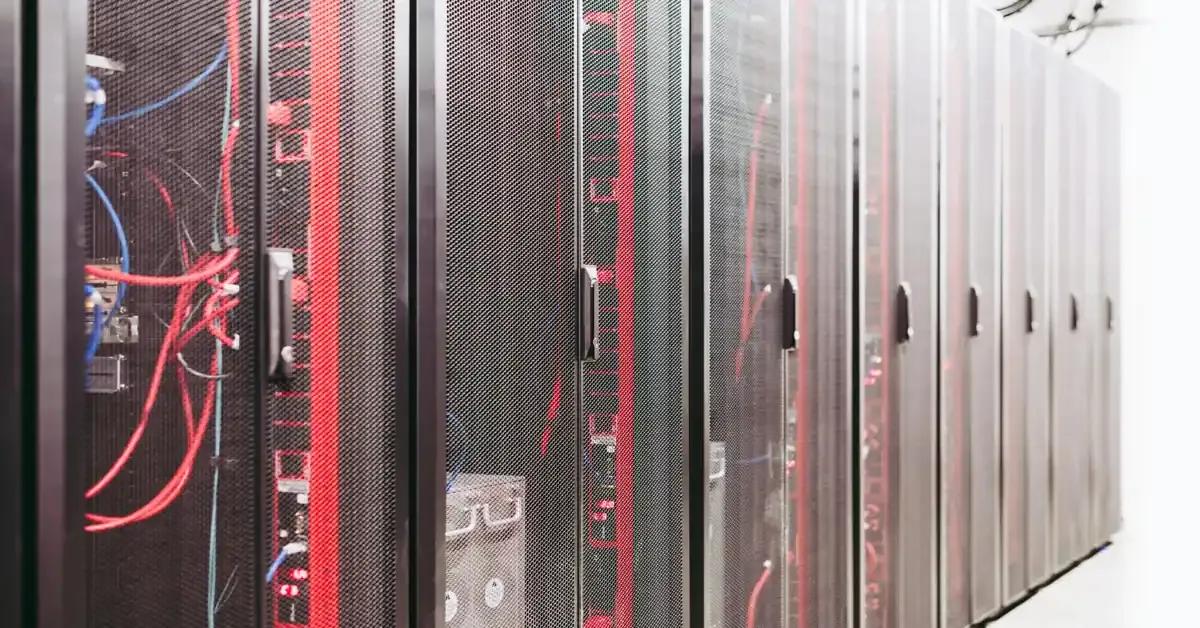
SoftBank Group is planning what could become the world’s largest artificial intelligence data centre campus in Ohio, with a proposed investment of $500 billion and a power capacity of nearly 10 gigawatts. That scale alone could rival Ohio's major current electricity generation, underlining how quickly AI infrastructure is expanding beyond traditional limits.
What Is SoftBank Building In Ohio?
The SoftBank Group plans to build a massive hub for artificial intelligence computing at a 3,700-acre location that is a former uranium enrichment plant in Piketon. The project is designed to support high-performance AI workloads that require continuous, large-scale computing power.
Chief Executive Masayoshi Son described it as a shift in strategy. Instead of building smaller facilities across locations over time, the company is now looking to concentrate investment into one mega campus.
The scale is hard to ignore. A single gigawatt can power roughly 750,000 homes. At full capacity, this project could match the electricity needs of millions.
Why Is Power Becoming The Biggest Challenge?
The answer lies in how AI systems operate. Artificial intelligence workloads require large amounts of power, round-the-clock, to function. To meet this, SoftBank plans to rely heavily on natural gas-based power, with an estimated $33 billion earmarked just for energy infrastructure.
American Electric Power and SB Energy are expected to play key roles in building out this supply. Turbines capable of generating over 9 GW are planned, though the rollout will happen in phases through the decade.
Still, this raises concerns. Large data centres already face criticism in the US for heavy water and electricity usage. A project of this size is likely to intensify that debate, especially given its reliance on fossil fuels.
A Bold Bet, But Can It Be Delivered?
The first phase itself is ambitious. SoftBank expects to build about 800 MW of capacity by early 2028, at a cost of $30 billion to $40 billion. The full project, however, stretches far beyond that timeline.
There are also practical hurdles. Reports suggest local grid operators and regulators were not initially aware of the project’s scale. For context, even smaller power projects in the US have taken years to complete.
The plan also ties into the broader $500 billion AI infrastructure push linked to the Stargate initiative, which includes figures like Sam Altman and Larry Ellison.
What remains unclear is who will ultimately use this facility. Customers have not yet been announced, though the company says discussions are ongoing.
For now, the Ohio project reflects where the AI race is heading. It is no longer just about better models or smarter software. The next phase will likely be decided by who can build, power, and sustain infrastructure at an unprecedented scale.
Also Read - Kotak Set To Buy Deutsche Bank’s India Retail Arm For ₹4,500 Crore
How Does It Compare To India
The scale gap is stark when compared with India. The country’s total data centre capacity is expected to reach 1.7 GW by the end of 2026. There’s not a single campus producing even 1 GW yet. Against that, SoftBank’s proposed Ohio facility alone is targeting 10 GW at a single location.
The power challenge is due to the difficulty in allocating multi-gigawatt power to a single location without interruptions. India has about 520 GW of installed capacity for power generation. However, the industrial power tariff is roughly between ₹6 and ₹11 per kilowatt-hour, making large-scale, energy-intensive projects more expensive to sustain compared to markets where long-term power contracts are easier to secure.
Sources
MSN
Economic Times
PIB
Great Pelican
Kotak News Desk brings you latest updates, expert insights, and market-ready ideas - helping you stay informed and invest smarter.
Connect on: Linkedin
0 people liked this article.