Rupee Hits Record Low, Breaches 93 Per Dollar
- By Kotak News Desk
- 20 Mar 2026 at 12:13 PM IST
- Market News
- 4m
Never miss key market movements
Set Kotak Neo as your preferred content on Google.

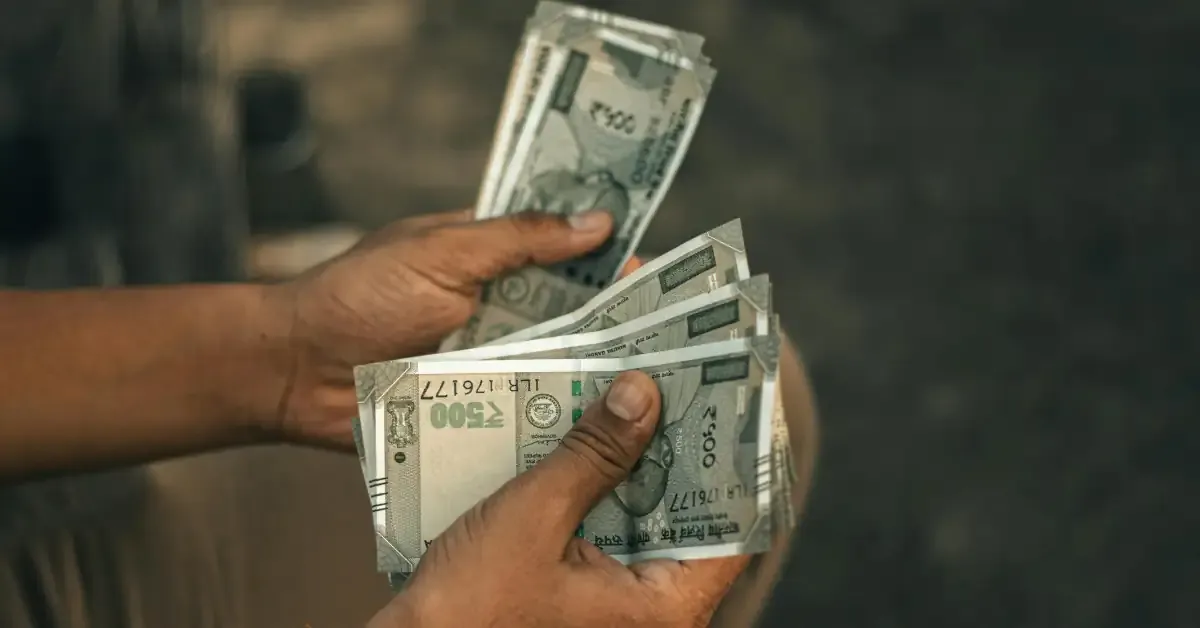
The Indian rupee weakened to a record low of 93.12 against the US dollar, driven by rising crude oil prices and sustained foreign investor outflows. At the same time, over $8 billion in FII outflows has added pressure on currency and markets.
The Indian rupee dropped to a record low of 93.12 against the US dollar on 19 March, falling around 0.55% in a single day and breaching its previous low of 92.63. The currency at 10:37 am today was at 92.872.
The decline has been steady since the start of the US-Iran conflict, with the currency losing nearly 2% as global energy markets turned volatile.
There were attacks on key energy infrastructure in the Gulf, which pushed crude oil prices as high as $120 per barrel before a mild pullback occurred.
For India, which depends heavily on oil imports, this kind of price shock tends to ripple quickly through inflation, trade balance, and currency stability.
At the same time, foreign institutional investors (FIIs) have pulled more than $8 billion out of Indian equities so far in March.
There have been the highest monthly outflows in more than a year, and this has added to the pressure on both the rupee and domestic economic markets at the same time.
How Long Will Oil Pressure Last?
If crude stays elevated, the rupee may not find relief soon. Higher oil prices mean more dollars going out of the country, which widens the current account deficit.
Even if prices cool slightly, uncertainty around supply routes like the Strait of Hormuz will keep markets cautious.
Will FIIs Come Back Soon?
At the moment, global investors are reducing their exposure to risk. As a result of war-related uncertainty and rising oil prices, emerging markets have become less attractive in the short term.
As long as there is no resolution to the conflict or a noticeable drop in crude prices, it is likely that flows will remain uneven.
It is likely that a return of capital will be gradual, rather than immediate.
Also Read - Early Trade Sees JSW Steel Shares Rising Over 3%
What Can Investors Expect Next?
Over the next few months, markets may remain volatile. Besides that, currency swings are expected to stay around, and margins of fuel-cost-related sectors may get squeezed.
Companies with a focus on exports might do relatively well because of currency depreciation in rupees.
Staying invested, maintaining allocation in balance, and keeping a close eye on global cues might be more important than trying to time the market.
Sources:
ET
Moneycontrol

Kotak News Desk brings you latest updates, expert insights, and market-ready ideas - helping you stay informed and invest smarter.
Connect on: Linkedin
0 people liked this article.