RIL Drops 4% As Export Duty Hits Fuel Export Margins
- By Kotak News Desk
- 27 Mar 2026 at 3:41 PM IST
- Market News
- 4m
Never miss key market movements
Set Kotak Neo as your preferred content on Google.

RIL shares fell 4.07% to ₹1,355.60 after export duty news, driving 21% of Sensex’s 1,100-point drop. What’s behind the sell-off and what’s next?
Reliance Industries Ltd (RIL) shares dropped sharply on Friday, pulling the broader market lower as fresh policy changes spooked investors. At 01:25 PM, shares of Reliance Industries were trading at ₹1,355.60, down ₹57.50 or 4.07%.
RIL’s stock touched intraday lows of around ₹1,356 on the Bombay Stock Exchange (BSE) and ₹1,357 on the National Stock Exchange (NSE). In contrast, the BSE Sensex was down 1.64%. RIL alone made up nearly 21% of the Sensex’s 1,100-point fall during the session.
Why Did RIL Shares Fall Today?
The selling picked up after the government announced export duty on petrol and diesel. Union Petroleum Minister Hardeep Singh Puri said refineries shipping fuel overseas will now need to pay tax on those exports.
The move is aimed at keeping enough fuel within the country. Global supply chains remain uneven, and traffic through the Strait of Hormuz has slowed, with vessels moving at a much slower pace due to ongoing tensions.
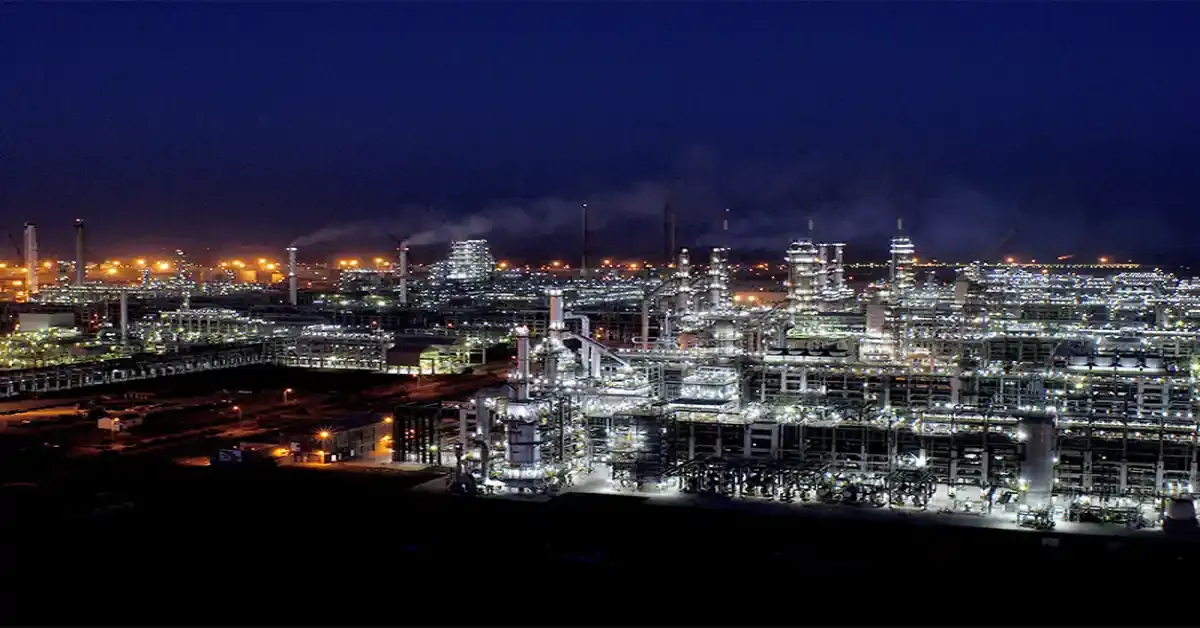
Reliance is directly exposed to this change. Its Jamnagar complex exports large volumes of fuel. When export duty is applied, the effective price per barrel comes down, which reduces margins on those sales.
On Thursday, the company also responded to reports about sourcing Iranian crude, saying the claims were incorrect and misleading.
Recent Trend In RIL Stock
Friday’s fall adds to a pattern that has been building this year. The stock has slipped more than 10% in 2026 so far and is about 12% below its January high of ₹1,611.20. The decline has translated into an estimated ₹2.12 lakh crore erosion in market value.
The movement, however, has not been one-directional. The stock has spent weeks moving within a band, with dips attracting some buying and rallies facing resistance. That back-and-forth has kept it from establishing a clear trend.
Even with the recent weakness, the longer-term picture looks less stretched than the short-term moves suggest, as the stock has held up relatively better over a one-year period.
Also Read - IREDA Declares ₹0.60 Dividend, Stock Slips Despite 37.5% Profit Jump
What Happens Next?
For now, the trigger is policy. Export duties have changed the math for fuel exporters, and that has quickly reflected in the stock price.
Beyond that, global factors remain in play. Supply constraints, shipping delays, and price movements in energy markets continue to shift the backdrop.
Whether this drop stabilises or extends may depend on how these two forces, policy and global trends, evolve from here.
Sources:
Business Standard
MSN

Kotak News Desk brings you latest updates, expert insights, and market-ready ideas - helping you stay informed and invest smarter.
Connect on: Linkedin
0 people liked this article.