PSU Banks Struggle To Recover ₹29 Lakh Crore From Large Defaulters
- By Kotak News Desk
- 10 Mar 2026 at 1:05 PM IST
- Market News
- 4m
Never miss key market movements
Set Kotak Neo as your preferred content on Google.

PSU banks in India are struggling to recover nearly ₹29 lakh crore from large defaulters. The data comes even as the government says bank NPAs have fallen to a decade-low level.
While the Indian government and the Reserve Bank of India (RBI) report that non-performing assets (NPAs) are at a ten-year low, new data paints a different picture. The total amount owed by "large defaulters" to public sector undertakings (PSUs) banks has now hit a staggering ₹29 lakh crore.
It is important to distinguish between an NPA and a large default. An non-performing asset refers to any loan that remains overdue for more than 90 days, regardless of the amount involved.
A “large defaulter”, by contrast, is typically a borrower with dues of ₹1 crore or more who is facing legal proceedings for non-repayment. While NPAs can sometimes be resolved through restructuring or settlement schemes, large defaults are more often linked to high-value borrowers and tend to involve prolonged legal action.
Discrepancy In Government Data And Large Defaulters
In February, the government told Parliament that gross NPAs dropped to just 2.15% by late 2025. This was called a historic low.
However, it remains unclear how these figures were calculated. Public records show that 11 state-run banks are fighting thousands of court cases to recover nearly ₹28.93 lakh crore from big companies.
The list of big debtors includes several famous names. Some borrowers associated with large business conglomerates feature prominently on such lists. Other large defaulters are linked to companies across sectors such as metals, infrastructure, power, and telecom. Most of the details on defaulters' data are available through the rating agency TransUnion CIBIL.
Interestingly, every PSU bank in India has shared its list of big defaulters except for Indian Bank, which has not posted updates for over a year.
State-run banks are in a tough spot because many of these massive loans were given without any collateral security. This means the banks do not have any physical assets they can sell to recover the money.
Banks That Are Most Affected
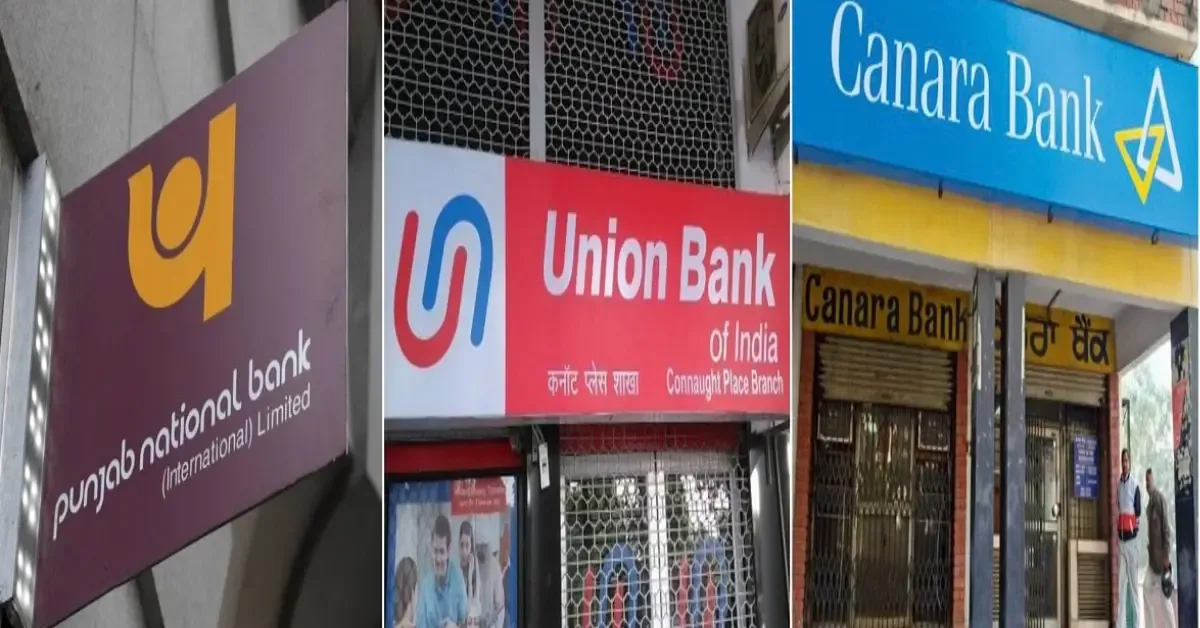
Among the 11 banks that disclosed data, Union Bank of India reported the highest amount of defaulted loans at ₹9.96 lakh crore. Bankers said the figure rose after the bank merged with Corporation Bank and Andhra Bank.
Breakdown of Outstanding Dues of Top 5 Banks:
Union Bank of India | ₹9.96 Lakh Crore |
State Bank of India | ₹5.79 Lakh Crore |
Punjab National Bank | ₹2.59 Lakh Crore |
Canara Bank | ₹2.49 Lakh Crore |
Bank of Baroda | ₹2.21 Lakh Crore |
Smaller lenders such as UCO Bank and Bank of India also carry sizable bad loans, with dues ranging from about ₹96,000 crore to more than ₹1 lakh crore. The large stock of unpaid debt continues to weigh on the Indian banking sector.
Also Read - Innovision IPO Opens 10 March; Check Price Band And Key Details
Should Investors Be Worried?
For retail investors, these massive default figures are a vital warning sign. While the official "low NPA" numbers might make PSU bank stocks look like a safe bet, the ₹29 lakh crore default tells a different story.
As an investor, you should look beyond the government’s headline figures and check the recovery rates of these large corporate debts.
Sources:
The Pioneer
Economic Times

Kotak News Desk brings you latest updates, expert insights, and market-ready ideas - helping you stay informed and invest smarter.
Connect on: Linkedin
0 people liked this article.