Global Aluminium Hits Four-Year High Amid Supply Concerns
- 10 Mar 2026 at 12:57 PM IST
- Market News
- 4 minutes read
Never miss key market movements
Set Kotak Neo as your preferred content on Google.

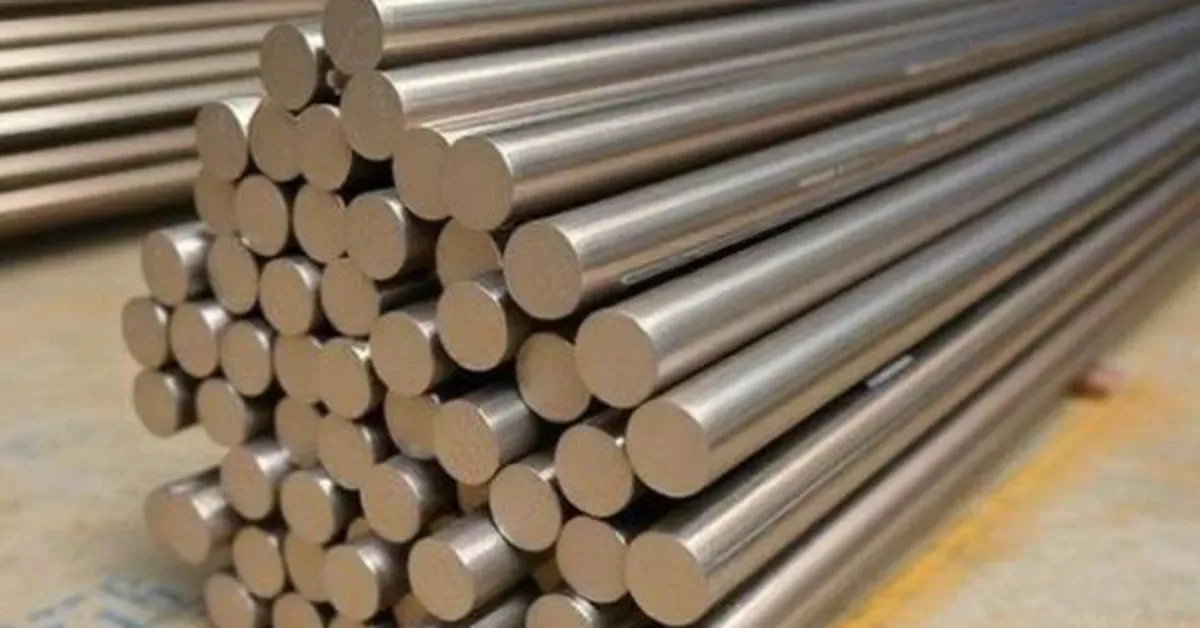
Aluminium prices rose sharply after concerns that tensions in the Middle East could disrupt global supply routes. Markets are now watching shipping through the Strait of Hormuz and production levels at major Gulf smelters.
Aluminium prices soared sharply as concerns over a potential conflict in the Middle East triggering interruptions to global supply chains were stirred up.
Prices rose even as gold and silver fell. This shows that industrial metals react differently to geopolitical events.
What Happened To Aluminium Prices?
Benchmark aluminium prices on the London Metal Exchange (LME) rose to about $3,544 per metric tonne on Monday, the highest level since 31 March 2022.
At the Shanghai Futures Exchange, the most-active aluminium contract gained 3.29% to 25,310 yuan per tonne, after touching an intraday peak of 25,860 yuan.
In India, aluminium futures on the Multi Commodity Exchange (MCX) also advanced. Prices climbed nearly 3% to ₹350.9 per kilogram during Monday’s session.
The move higher stood in contrast to precious metals. Despite the escalation of geopolitical tensions, gold and silver slipped by as much as 3.5%, reflecting changing investor positioning across commodity markets.
Why Did Aluminium Prices Jump?
The recent increase in aluminium prices has been mainly the result of concerns that the ongoing conflict would disrupt the supply chains in the Middle East region.
A particular concern is the Strait of Hormuz, one of the world’s most important shipping corridors for commodities.
According to market estimates, roughly 9% of global aluminium shipments pass through the strait. Any disruption in the region therefore has the potential to tighten global supply.
Additional pressure has come from developments at major producers in the Gulf region. Reports indicate that Qatalum, a large aluminium smelter in Qatar, has reduced production, while Aluminium Bahrain has declared force majeure on some shipments.
The Gulf region produces about 6.5 million tonnes of aluminium each year, representing close to 10% of global output.
Prices Ease After Early Rally
After the sharp gains recorded earlier in the week, aluminium prices edged lower on Tuesday.
The most-traded aluminium contract on the Shanghai Futures Exchange fell 2.88% to 24,465 yuan ($3,550.95) per metric tonne as of 0153 GMT. Benchmark three-month aluminium on the London Metal Exchange declined 2.11% to $3,314 per tonne.
Traders locked in profits after the rally, while signs of possible diplomatic progress helped ease immediate supply concerns.
Comments from the US president about efforts to bring the conflict to a quick resolution reduced fears that supply routes could remain blocked for an extended period.
Also read : IRFC Board Approves Massive ₹70,000 Crore Capital Raise For FY27
What Investors Should Watch Next?
Investors will probably keep on monitoring Middle East developments quite closely, especially any changes in shipping through the Strait of Hormuz.
Market players might also keep an eye on the production volumes of main smelters in the Gulf area. Industry-wide changes or shipment delays can have an impact on the availability of aluminium in international markets.
Together these elements will determine how aluminium prices will perform in the coming weeks as the markets react to both geopolitical and economic indicators.
Sources:
ET
MSN
0 people liked this article.