CSIR-NCL Proposes LPG Alternative Amid Global Crisis
- By Kotak News Desk
- 16 Mar 2026 at 4:21 PM IST
- Market News
- 4m
Never miss key market movements
Set Kotak Neo as your preferred content on Google.

Researchers at CSIR-NCL say they have developed a method to produce dimethyl ether, which could take over a part of LPG usage and reduce India’s dependence on imported fuel.
Scientists at CSIR-National Chemical Laboratory (NCL) have identified Dimethyl Ether (DME) as a possible substitute for Liquefied Petroleum Gas (LPG), especially at a time when global energy supplies are facing uncertainty.
The Pune-based research institute said its team has developed a technology that converts methanol into DME using a catalyst designed in India. The process allows the fuel to be produced efficiently and stored under conditions similar to LPG.
Technology And Pilot Production
The new process can produce DME at a pressure of about 10 bar, which means the fuel can be filled in regular LPG cylinders without major changes. The method has already been tested at a pilot facility capable of producing around 250 kilograms per day.
The laboratory is now working with an engineering partner to set up a larger demonstration plant with a capacity of 2.5 tonnes per day. According to the institute, such a facility could be ready within six to nine months.
If the demonstration plant works as expected, larger commercial units producing 100 to 500 tonnes per day may be developed in the future. The institute is also looking to partner with public sector oil companies and bioenergy firms to increase production.
Energy Security And LPG Dependence
India depends on imports for a large part of its fossil fuel needs, which means global supply disruptions can quickly affect fuel availability and prices at home.
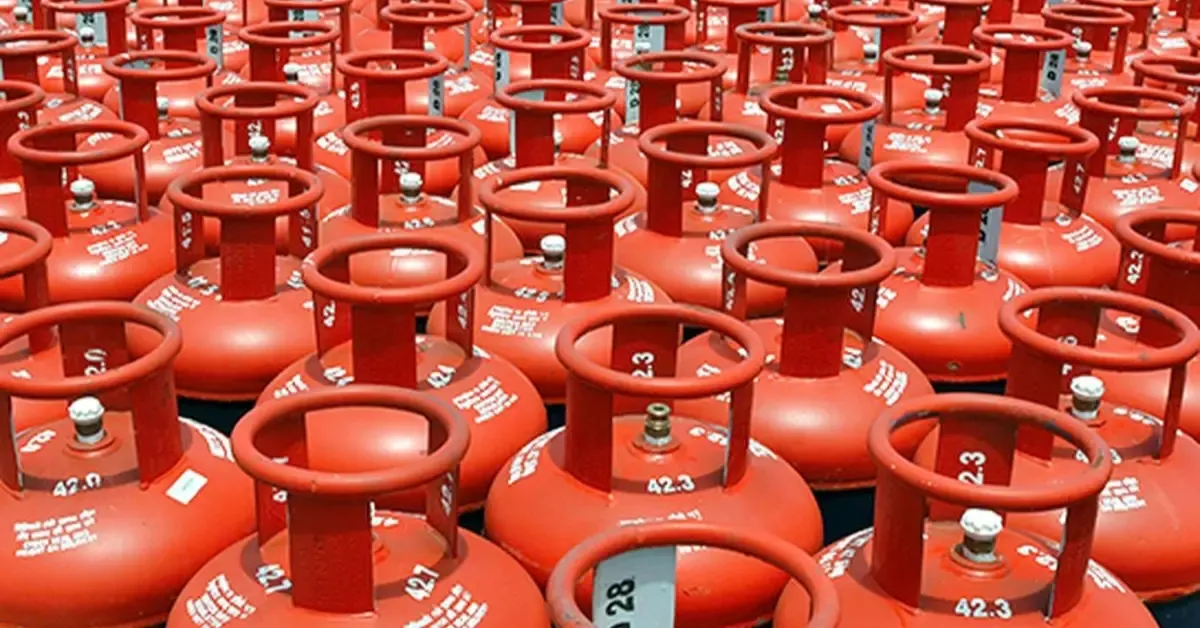
LPG, widely used for cooking in households, is particularly important for government schemes such as the Pradhan Mantri Ujjwala Yojana, which provides LPG connections to low-income households.
DME burns cleanly and produces lower levels of soot and harmful gases compared with many conventional fuels.
Blending With LPG Already In Progress
India has already taken some steps to allow the use of DME in the LPG system. The Bureau of Indian Standards introduced IS 18698:2024, a standard that permits blending up to 20% DME with LPG for household, commercial and industrial use.
Scientists involved in the project said blending up to 8% DME with LPG would not require any changes to existing cylinders, regulators or cooking burners.
India imported about 21 million tonnes of LPG in 2024. Researchers estimate that replacing just 8% of LPG consumption with DME could save roughly ₹9,500 crore in foreign exchange every year.
Meeting this level of substitution for the LPG connections under the Ujjwala scheme would require DME production capacity of around 1,300 tonnes per day, according to the researchers.
Uses Beyond Cooking Fuel
Apart from household fuel, DME has several industrial applications. It can be used as an automotive fuel, as an aerosol propellant instead of ozone-depleting chemicals, and as a feedstock in the production of chemicals such as lower olefins, dimethyl sulfate and methyl acetate.
Researchers say producing DME locally from methanol could reduce India’s reliance on imported LPG. In the long run, methanol for DME production could also come from coal, biomass or captured carbon dioxide, opening new pathways for domestic fuel production.
Also Read - Va Tech Wabag Wins Mega Chennai Water Project, Shares Rise 5%
Investor Takeaways
India’s push to blend Dimethyl Ether (DME) with LPG signals a potential new domestic fuel ecosystem. If scaled, it could reduce LPG imports and save about ₹9,500 crore annually in foreign exchange. Investors should watch companies involved in methanol production, catalysts, gas infrastructure, and public sector oil firms that may participate in DME blending and commercialisation.
Sources:
CNBC TV18
Press Trust of India
Kotak News Desk brings you latest updates, expert insights, and market-ready ideas - helping you stay informed and invest smarter.
Connect on: Linkedin
0 people liked this article.