
Sortino vs Sharpe Ratio: Meaning, Differentiation and Uses
- 3 min read
- 1,774
- Published 18 Dec 2025
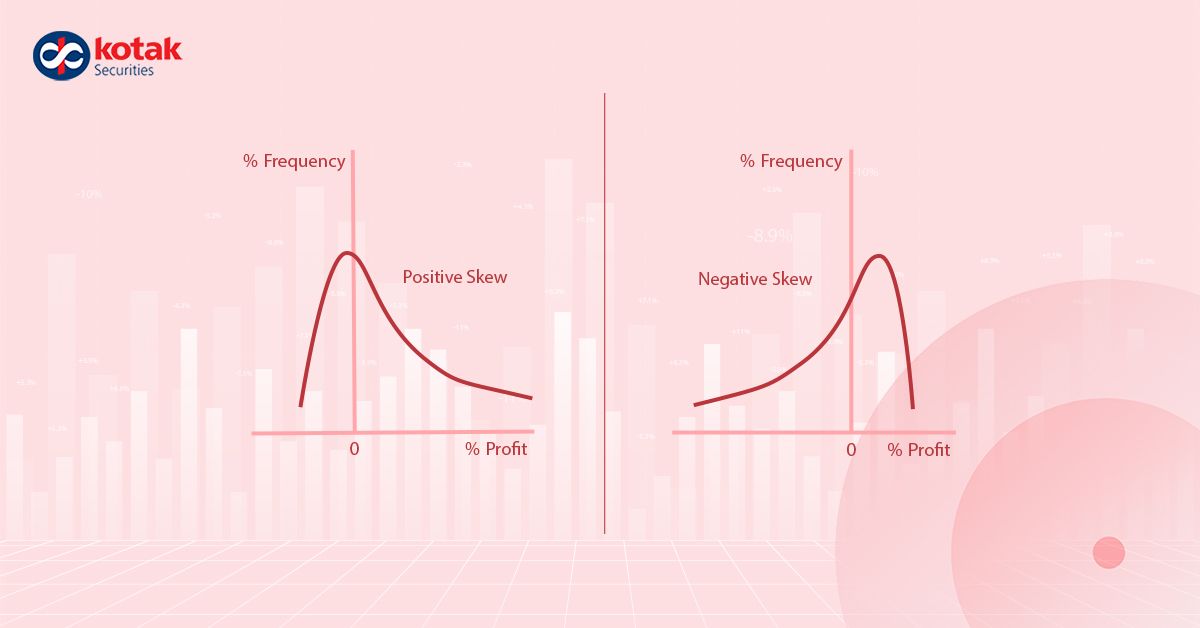
When it comes to mutual fund investments, risks and returns are two essential considerations. Sharpe and Sortino ratios are two key ratios through which you can gauge the risk-adjusted returns of mutual funds. Understanding them is crucial for informed decision-making.
What Is The Sharpe Ratio?
The Sharpe ratio, developed by William F Sharpe, measures the returns your mutual fund earns relative to the amount of risk taken. To put it otherwise, you know the amount of returns you get per unit of risk through it. The formula to calculate the Sharpe ratio is:
Sharpe Ratio = (Rx – Rf) / StdDev Rx, where:
- Rx = Expected portfolio return
- Rf = Risk-free rate of return
- StdDev Rx = Standard deviation of portfolio return
A mutual fund with a Sharpe ratio of higher than 1 is considered profitable, while one with a Sharpe ratio of less than 0.5 is considered risky.
What Is The Sortino Ratio?
The Sortino ratio is the refined version of the Sharpe ratio. However, this ratio considers only the downside risk of a mutual fund investment. The downside risk refers to the risk of losing money. As it considers only the downside risk, this ratio is more suitable for users concerned about losses. The formula to calculate the Sortino ratio is:
Sortino ratio = R – Rf /SD, where:
- R = Expected returns
- Rf = Risk-free rate of returns
- SD = Negative asset return's standard deviation
The higher the Sortino ratio, the better the fund's risk-adjusted return.
Difference Between Sharpe And Sortino Ratios
While Sharpe and Sortino ratios help evaluate a fund’s risk-adjusted returns, their differences lie in how they treat volatility. The table captures the key differences between them on various parameters:
Measurement of risk | Considers total risk, including upside and downside | Considers only downside risk |
Suitable for | Those looking for a comprehensive overview of risk | Those looking for only downside risk |
Volatility focus | Penalises all types of volatility | Focuses only on negative deviation |
When To Use Sharpe Ratio?
Focus on a fund’s Sharpe ratio when you:
- Seek a comprehensive overview of the risks
- Compare two investments with similar risk profiles
- Want a ratio that considers all forms of volatility, positive or negative
When To Use The Sortino Ratio?
Focus on a fund’s Sortino ratio when you:
- Seek to minimise losses
- Want to avoid large drawdowns during market volatility
- Are analysing investments that have asymmetrical risks
Wrapping It Up
The Sharpe and Sortino ratios are essential tools in your arsenal that help you evaluate the risk-adjusted returns of your investments. However, their approach to measuring risk varies. While the former gives you an overall view of risk-adjusted returns, the latter narrows the risk funnel to downside risk only. Use them as per your preference for informed decision-making.
Disclaimer: This article is for informational purposes only and does not constitute financial advice. It is not produced by the desk of the Kotak Neo Research Team, nor is it a report published by the Kotak Neo Research Team. The information presented is compiled from several secondary sources available on the internet and may change over time. Investors should conduct their research and consult with financial professionals before making any investment decisions. Read the full disclaimer here.
Investments in the securities market are subject to market risks, read all the related documents carefully before investing. Please read the SEBI-prescribed Combined Risk Disclosure Document before investing. Brokerage will not exceed SEBI’s prescribed limit.
0 people liked this article.