Key IPO Terminology Every Investor Should Know
- 5 min read
- 1,010
- Published 22 Jan 2026
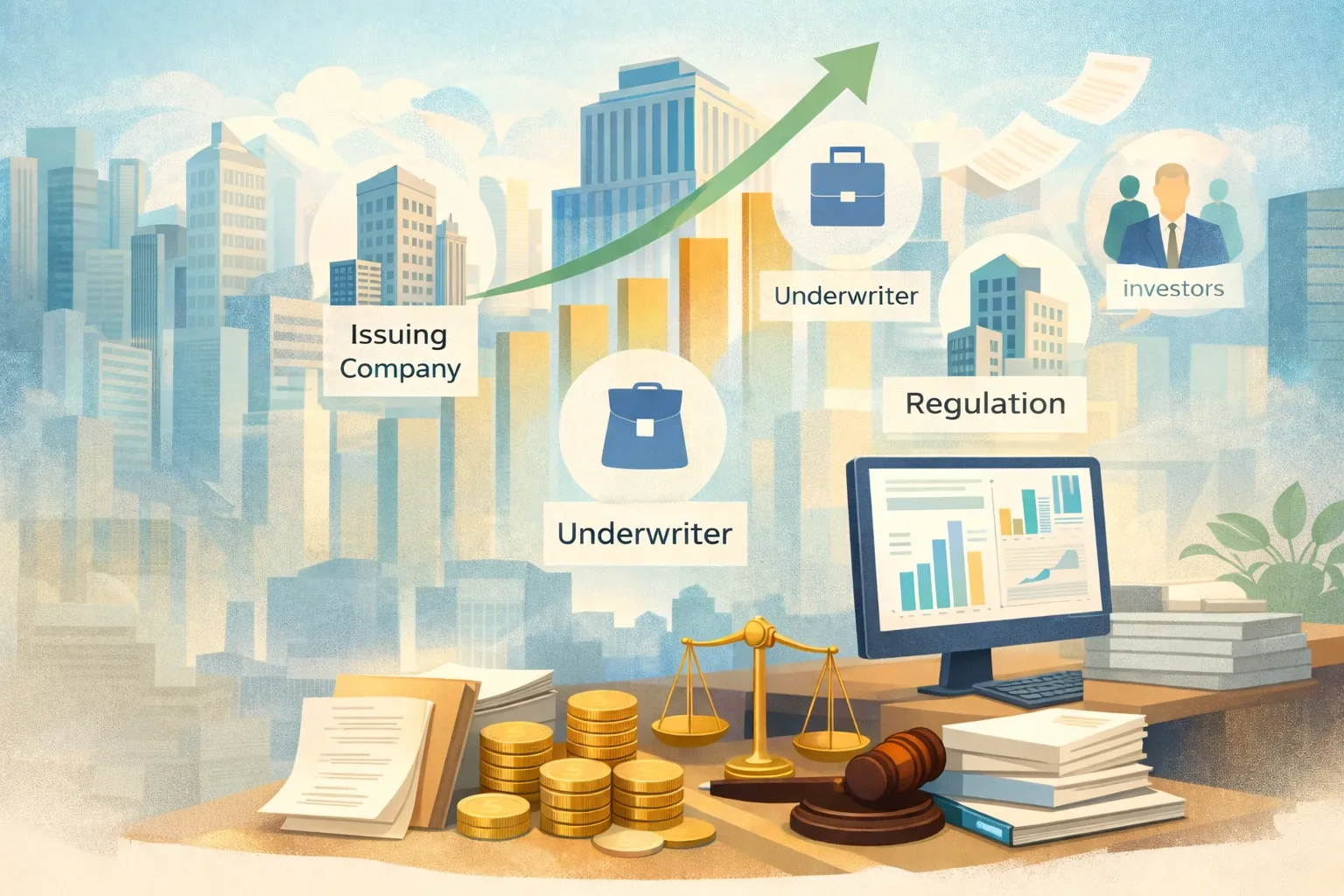
The draft red herring prospectus (DRHP) of this Initial Public Offering (IPO) is out. Voila! This IPO is oversubscribed X times by qualified institutional buyers. This company raised this many crores from anchor investors a day before bidding opened. You may have heard these phrases and terms quite a lot, especially when the Indian IPO market is on a roll.
Like these, there are many other IPO terms that you need to know before applying for an IPO, especially if you are a beginner. What are these terms? Let us find out.
Why Understanding IPO Terms Matters for Investors?
When a company launches an IPO, most investors ask whether they should apply or not. Only a few pause to understand the words used around it. Knowing the IPO terminology helps you to:
-
Know What You are Getting Into
IPO terms can feel like instructions on a product box. If you skip them, you might still buy the product, but you won’t fully know how it works. Understanding basic IPO terms helps you better understand the offer, know how shares are allotted, and what happens if too many people apply, among others. In other words, it helps you in smart decision-making.
-
Makes You a Confident Investor
A holistic knowledge of IPO terms gives you confidence. Once you understand the terms, the IPO feels less complicated. It also helps you ask the right questions and make decisions based on your understanding and not market noise.
-
Keeps Emotions Out
Many IPOs often come with hype. News headlines and social media chatter add fuel to it. Usually, such hype can lead to emotional decision-making. Understanding IPO terminology gives you a pause button. You look beyond the buzz and focus on what actually matters for you as an investor.
Common IPO Terms Every Investor Should Know
Here are some of the common IPO terms that IPO investors should know:
-
Face Value
Face value is the original value of a share decided by the company. It is mostly ₹1, ₹2 or ₹10. However, it does not tell you whether the share is expensive or cheap in the market. It is mainly used for accounting and legal purposes.
-
Issue Price
It is the amount you actually pay when you apply for an IPO. This is your real cost of application. Companies decide this price based on demand, market conditions, and their business prospects. If the face value is ₹10 but the IPO issue price is ₹150, you pay ₹150 per share while applying.
-
Premium
It is the amount above the face value. It shows how much value the company believes investors are willing to pay. For example, if the face value is ₹10 and the issue price is ₹150, the premium is ₹140. It means investors are ready to pay ₹140 for the company’s future potential.
-
Book Building
Book building is a method used to decide the final IPO price. Instead of setting a single price, the company provides a price band. Investors then bid within that range. Based on these bids, the final price is discovered. For instance, if the price band is ₹100–₹120 and most investors bid near ₹120, the issue price may be fixed closer to the upper end.
-
Allotment
Allotment is the process by which shares are distributed after the IPO closes. Not everyone who applies is guaranteed shares. If the IPO is heavily oversubscribed, you may receive only one lot (if applied for multiple lots) or miss out entirely.
-
Oversubscription
Oversubscription happens when more people want shares than the company is offering. This is common in popular IPOs. It usually signals strong investor interest. However, it also brings down allotment chances. For instance, if an IPO offers 1 crore shares and investors apply for 10 crore shares, the issue is said to be oversubscribed 10 times.
-
Draft Red Herring Prospectus
The DRHP is a document a company submits before an IPO. It has information about the company’s business, finances, risks, and future plans. If you want to understand how a company makes money or what risks it faces, you can read its DRHP.
-
IPO Tranche
An IPO tranche means how the total shares are divided among different types of investors. These investors include qualified institutional buyers, non-institutional buyers, retail investors, etc. Note that companies don’t sell all their shares to a single group of investors. This helps keep the issue balanced and fair.
-
Listing Date
The listing date is when the company’s shares start trading on the stock exchange. From this day on, you can buy or sell the stock in the open market. You can know the listing date from the company’s red herring prospectus (RHP).
-
Market Lot
A market lot is the minimum number of shares you must apply for in an IPO. You cannot apply for just one share. For example, if the minimum market lot is 100 shares, you need to bid for at least 100 shares. These 100 shares comprise one lot. Each company decides its own market lot.
-
SEBI
SEBI, or the Securities and Exchange Board of India, is the Indian capital market regulator. It oversees the securities market, governs and frames IPO rules. No company can launch an IPO without SEBI’s approval. Its role is to protect investors’ interests and maintain transparency.
Advanced IPO Terms
Some advanced IPO terms are as follows:
-
Registrar of IPO
The IPO registrar is the agency that handles all the paperwork of an IPO. It keeps track of applications and decides who gets shares. It also processes refunds if shares are not allotted. The registrar ensures the IPO process runs smoothly. Some popular IPO registrars in India include MUFG Intime India, KFin Technologies and Bigshare Services.
-
Anchor Investors
Anchor investors are large, well-known institutional investors. They invest in an IPO before it opens for the public. Their participation is meant to build confidence in the issue. When they show interest early, it often reassures smaller investors. Anchor investors may include mutual fund companies, sovereign funds, etc.
-
Lock-in Period
The lock-in period is the time during which investors are not allowed to sell their shares. This rule prevents immediate selling and sharp price falls. Different investor groups have different lock-in timelines.
For example, for anchor investors, there is a 90-day lock-in period on 50% of the shares allotted from the allotment date. The remaining 50% of the allotted shares are subject to a 30-day lock-in.
-
Qualified Institutional Buyers
Qualified Institutional Buyers (QIBs) are large, professional investors with deep pockets. These include insurance companies, mutual funds, banks, venture capital firms, alternative investment funds, and foreign portfolio investors. They have the knowledge and resources to analyse companies before investing large sums of money. Because QIBs are financially strong, their presence adds credibility to an IPO. That’s why a larger share of shares is usually reserved for them than for retail investors.
Conclusion
Several confusions regarding IPOs stem from unfamiliar words rather than investment. Once you are aware of the common IPO terms, things become clearer. You know what to look for and what to ignore when applying for your next IPO.
Source:
0 people liked this article.