Behind the Wheel: The Reasons Driving the Honda-Nissan Merger
- 5 min read
- 1,346
- Published 18 Dec 2025
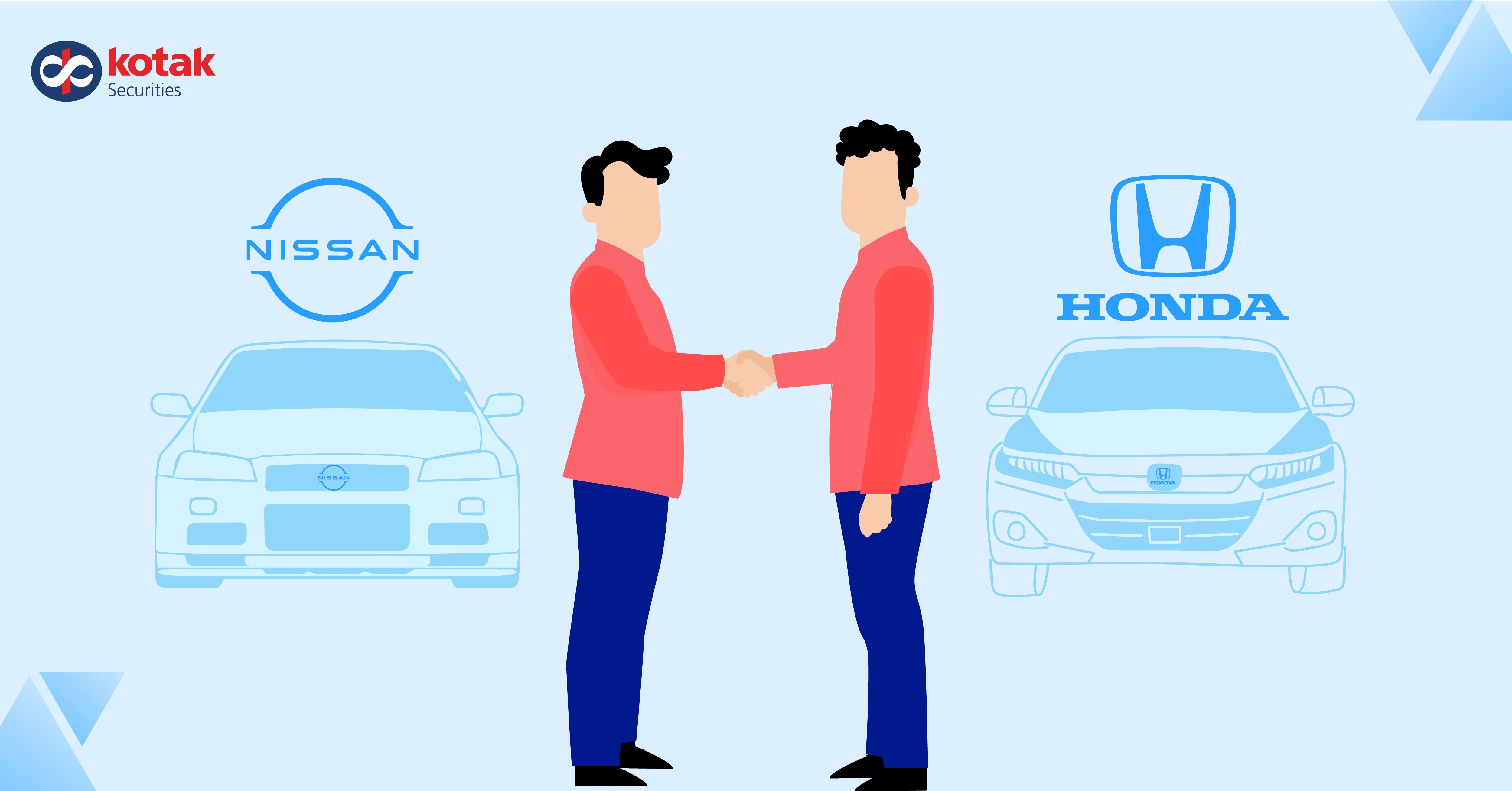
The automotive world is always in motion, with daily shifts ranging from groundbreaking car launches to intense debates about the industry’s future. But right now, all eyes are on a game-changing move—Honda and Nissan’s planned merger.
Set to be finalised by June 2025, this collaboration is expected to reshape the landscape of global automotive giants. With a holding company slated for public listing by August 2026, the news has sent waves of excitement through the sector, leaving industry experts and investors eager to see how this bold step will unfold.
While the industry is buzzing with anticipation over the merger’s potential, let’s take a closer look at the journey of these two automotive giants and explore the challenges they’ve faced that ultimately paved the way for this transformative collaboration.
Honda and Nissan: Evolution, Strengths, and Struggles
Honda and Nissan, two of Japan’s biggest automakers, have experienced both success and challenges, making their upcoming merger a key moment in the automotive world. Let’s take a quick look at their journey so far:
-
Honda: A Legacy with Growing Challenges
Founded in 1948, Honda initially gained recognition for its powerful motorcycles before expanding into automobiles and power equipment. With a presence in over 150 countries, Honda is globally recognised through popular models like the Accord, Civic, and CR-V, boasting a loyal customer base of 28 million.
However, despite its successes, Honda faces challenges. The brand is vulnerable to global market disturbances, has a limited foothold in the luxury and EV segments, and has recently suffered reputational damage due to a recall of 75,000 vehicles over faulty airbag sensors.
-
Nissan: From Global Giant to Recent Struggles
Founded in 1930, Nissan’s portfolio spans commercial vehicles, luxury cars, and even outboard motors. Nissan reached its peak after strategic alliances with Renault and Mitsubishi in 1999.
However, in recent years, Nissan has faced financial struggles, production issues, and scandals that have impacted its brand image. For instance, the recall of Magnite models in India due to faulty door handle sensors raised questions about quality control. Additionally, Nissan’s dependence on markets in China and the US has made it vulnerable to geopolitical tensions, further complicating its standing in the global automotive market.
The Forces Shaping the Honda-Nissan Merger
Here are the three main reasons behind the merger and how it can help both companies overcome current challenges and strengthen their market position.
-
China’s EV Dominance
Japanese carmakers are losing ground in China, the world’s largest car market, as brands like Great Wall, BYD, and Nio gain popularity by focusing on EVs over gasoline engines.
Nissan has cut its production capacity by half, while Honda plans to slash 20% to reduce costs, highlighting their struggles.
The merger aims to consolidate their expertise and resources, helping them challenge the rising dominance of Chinese EV manufacturers.
-
Troubled Finances
Nissan has faced a string of challenges in recent years. In 2018, CEO Carlos Ghosn was arrested for financial misconduct, damaging the company’s reputation and causing internal instability with leadership changes and management conflicts.
Recently, the company reported a $61 million net loss, alongside ongoing issues like layoffs, pay cuts, and declining sales. Despite holding a solid cash reserve of $9.4 billion, Fitch Ratings has downgraded Nissan’s credit outlook.
With these financial hurdles, the merger aims to stabilise Nissan’s finances and resolve internal conflicts.
-
Economies of Scale
The Honda-Nissan merger would create a $54 billion company with an annual production of 7.4 million vehicles. This would make it the third-largest automaker globally, behind Toyota and Volkswagen. Besides, shared platforms for vehicle production and joint development of cutting-edge software will fuel the entity’s growth.
Despite intense competition in China, Nissan’s long-standing presence in the EV market, particularly with the LEAF launched 15 years ago, gives it a strong edge. The partnership will help Honda fast-track its entry into the EV space.
Gains from the Honda-Nissan Merger
Here’s how the merger will benefit Honda and Nissan, reshaping their strategies for a competitive future.
-
Shared Production Facilities
The Honda-Nissan merger will combine production plants, cutting costs and improving efficiency. Shared assembly lines will streamline production, while Nissan’s expertise in SUVs, hybrid powertrains, and EVs will accelerate Honda’s progress. Expanding their vehicle range across internal combustion engines (ICE), hybrid electric vehicles (HEV), plug-in hybrid electric vehicles (PHEV), and electric vehicles (EV) will help both brands meet diverse customer needs globally.
-
Streamlined R&D Investment
With the August 1 joint research agreement, Honda and Nissan have started working together on next-gen software-defined vehicles (SDVs). The merger will unify their R&D efforts, cutting costs by eliminating overlaps and pooling resources. In 2023, Honda spent $6.2 billion on R&D, while Nissan and Renault spent $2.3 billion post-merger, a combined annual R&D budget of this scale will drive faster innovation and more efficient development.
-
Bulk Procurement
The merger will provide better bargaining power to the joint venture when it comes to purchasing raw materials and components like steel, aluminium, semiconductors, and lithium-ion batteries. Bulk procurement at discounted rates will directly lower production costs, as suppliers generally prioritise larger orders by offering favourable contract terms and timely delivery.
-
Optimised Supply Chain
The merger would allow Honda and Nissan to integrate their supply chains, enhancing logistics efficiency. Joint warehousing, shared distribution networks, and optimised inventory management could significantly reduce costs. Furthermore, the ability to centralise operations, such as transportation and quality control, would improve reliability and minimise wastage.
-
Economies in Marketing
With growing competition in the automobile industry, marketing and branding can make a company stand out from its competitors. Post-merger, coordinated marketing campaigns would eliminate overlapping expenses, and the collaborative brand positioning could attract a broader customer base.
Conclusion: Honda-Nissan Merger and the Indian Market
The Honda-Nissan merger holds exciting potential for the Indian market. Honda has already gained a solid foothold with popular models like the City and Amaze, while Nissan is carving its niche with the Magnite, aimed at the mid-income segment.
However, with compact SUVs and EVs gaining massive traction, as seen with Tata’s Curvv and Nexon and Mahindra’s XEV 9E, BE6, and XUV 400, the real success of this collaboration will depend on their ability to diversify their portfolios and keep production costs in check. If executed well, this merger could help both brands tap into the fast-evolving preferences of Indian consumers while keeping production costs under control.
0 people liked this article.