A brand that refuses to play the fashion game… and still wins
- 3 min read
- 7,273
- Published 18 Dec 2025
Fashion is a race.
A race with firms sprinting from one trend to the next, launching new collections, slashing prices on old inventory, and contending for consumers' attention.
But Uniqlo refuses to participate in this race - it doesn't chase trends, and it doesn't use celebrity endorsements. Prices aren't lowered to get rid of inventory.
However, it has outperformed many of its fast-fashion rivals, suggesting that there are alternative paths to success.
How did Uniqlo accomplish that, then?
By breaking the very rules the industry swears by.
Instead of chasing what’s in style, Uniqlo focuses on what’s essential.
Being stylish isn't the key to Uniqlo's success; its success stems from necessity.
By emphasising efficiency, creativity, and quality, it has established a brand that people trust - not just temporarily.
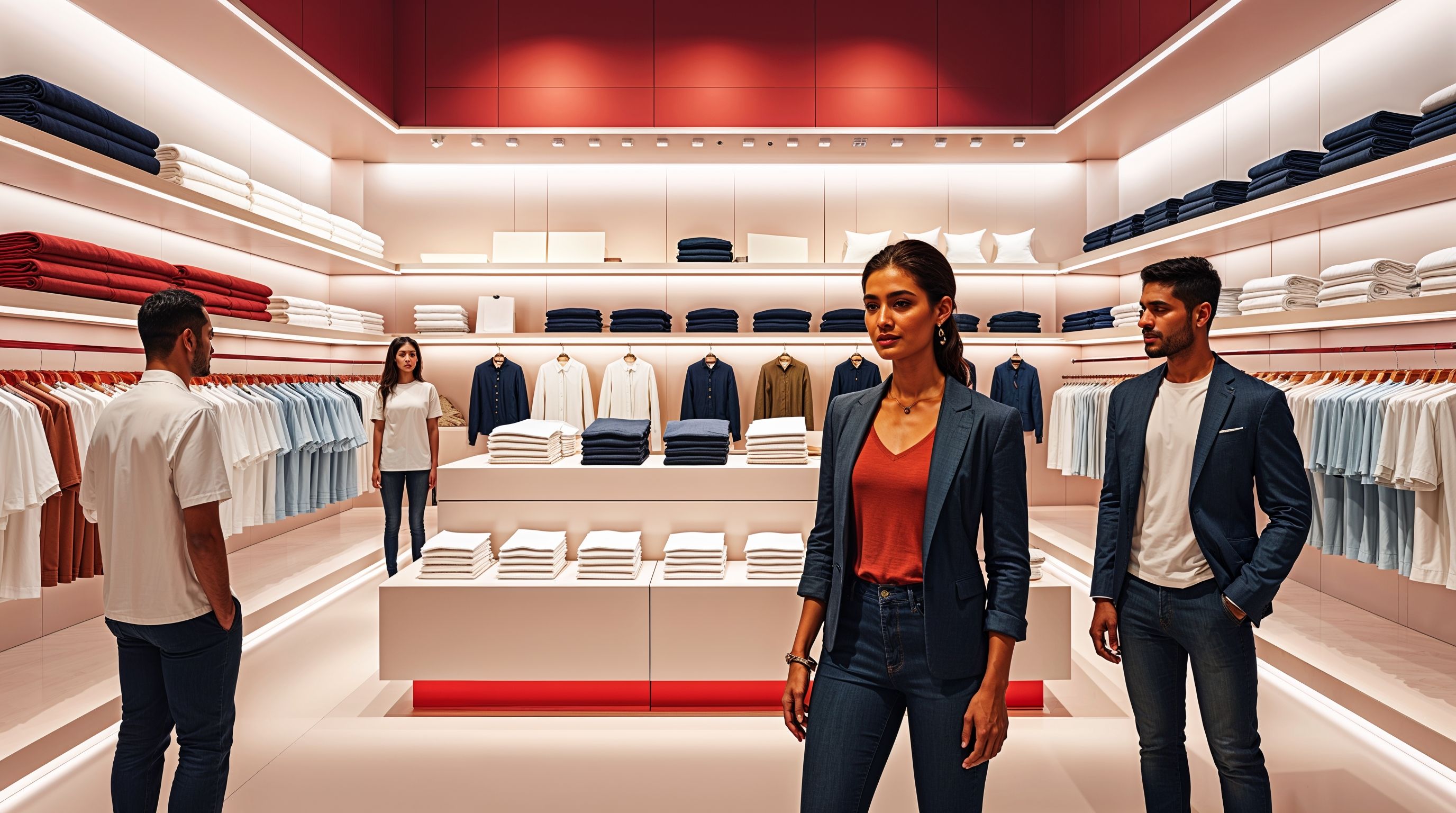
Uniqlo prioritises premium basics - clothes people wear every day, not simply on special occasions.
You don't wear a Uniqlo fleece, HeatTech thermal, or AIRism undershirt just once.
A HeatTech thermal warms you up without the bulk. An AIRism undershirt feels cool against your skin.
Every innovation serves a purpose and it’s something you genuinely rely on.
This concept, known as Lifewear, turns basic necessities into best sellers.
It's success isn’t just about the clothes; it's how they’re made.
Uniqlo collaborates directly with textile manufacturers to create proprietary materials, whereas the majority of fashion stores contract out the creation of fabrics to outside vendors.
Because of this degree of control, Uniqlo is able to provide high-tech, superior items at prices that are hard to match by its rivals.
But product innovation alone isn’t enough.
Unlike traditional retailers that order months in advance and gamble on trends, Uniqlo operates on a just-in-time model.
It minimises surplus inventory and markdowns by responding swiftly to demand. This keeps costs low and margins high.
And then, there’s pricing.
Walk into a more fast-fashioned brand store like Zara or H&M, and you’ll see markdowns everywhere.
Uniqlo doesn’t play that game and it works.
It doesn't teach customers to wait for promotions and hardly ever gives steep discounts. Customers learn to buy when they need to, not when a sale tells them to.
Rather, it maintains constant prices to safeguard profits and support the notion that its goods are consistently worth their cost.
Unlike many Western brands that have struggled in international markets, Uniqlo has thrived - especially in Asia.
Fast fashion struggled to pick up pace in China.
Here, middle-class consumers seeking dependable, reasonably priced apparel turned to Uniqlo.
The brand’s disciplined approach worked — it didn’t flood the market, but expanded gradually by picking strategic locations and adapting to local preferences.
This helped it become China's top fashion retailer and is now guiding its steady growth in Southeast Asia, India, and the US.
Uniqlo’s success stems from betting on quality, operational discipline, and long-term thinking — things most fashion brands shy away from.
And while others chase trends, Uniqlo plays the long game.
For investors, the takeaway is simple: trends may come and go, but businesses built on discipline, quality, and long-term thinking tend to stand the test of time.
In the race for relevance, it’s not the fastest that win — but the most consistent.
0 people liked this article.