The Multibagger WhatsApp Group That Investors Should Avoid
- Posted: 30 Oct 2026, 5:11 PM IST
- | 8 min read
- 5,577
 Add Preferred News Source

It is a little after nine on a weekday morning.
A retired school teacher in Pune is halfway through his chai when his phone buzzes.
He was added to the group a fortnight ago and cannot quite remember by whom. The administrator, whom everyone calls Sir, has posted the day's pick: a small company most people have never heard of.
Within minutes the replies arrive: "Thank you Sir, it worked again."
A screenshot of a trading account. A row of folded-hands emojis.
By the time the cup is empty, a stranger's suggestion has started to feel like something everyone already knows.
The stock market's oldest theatre of persuasion has simply moved into group chat.
Some of the applause may be manufactured, the screenshots may be fabricated, and the person giving the advice may be preparing to sell while everyone else is busy buying.
On 22 October, the Securities and Exchange Board of India (SEBI) warned investors against invitation-only WhatsApp groups offering stock tips under the guise of free investor education.
Operators may use overseas numbers, fabricated claims of success and planted members praising the administrator to manufacture credibility.
SEBI calls this ‘astroturfing’, a term borrowed from a brand of artificial grass: support that looks grassroots but has been laid down deliberately.
From 1 November, SEBI's investor-awareness messages will appear on the landing pages of brokers' websites and trading apps under Project Jagrook (jagrook means alert or watchful), the regulator's investor-awareness campaign.
But the tip that persuades an investor to act may arrive in a private chat, far from the platform where the trade eventually happens.
The group chat is part of the pitch
The trick is to make a group appear to validate itself.
One member posts a supposedly successful trade, another praises the administrator, and screenshots provide what looks like proof.
Yet none of this establishes that the trades occurred, that the results belong to the people displaying them or that the recommended stock is worth its current price.
A crowd of agreeing voices is not independent verification.
The members may be working with the operators, while the apparent consensus gives the recommendation an authority it has not earned.
SEBI has identified another warning sign.
When a group is suspended, members may receive messages from a new number claiming the original was banned because of social-media restrictions, followed by an invitation to join a replacement group offering daily tips.
The audience moves, the number changes, and the accumulated trust comes along for the ride.
A group that relocates after a supposed ban is a warning sign, not a fresh start.
When stock tips help create the demand
An Enforcement Directorate (ED) investigation shows how such groups can intersect with alleged market manipulation.
On 16 October, the ED searched 29 premises across six cities: Mumbai, Nashik, Ahmedabad, Gandhinagar, Surat and Bhavnagar.
On 19 October, it disclosed that trading accounts worth approximately ₹200 crore belonging to people and connected entities under investigation had been frozen.
According to the agency, two small listed companies issued more than 3.5 crore shares and convertible warrants (instruments that can later be turned into shares at a pre-agreed price) between April 2023 and March 2024 to selected individuals and entities, a route known as a preferential allotment.
A substantial portion of the funding reportedly came from a network of connected people, firms and lenders.
The ED alleges that share prices were subsequently pushed upwards while ownership remained concentrated.
When a few holders control most of a company's shares, relatively little fresh buying can move its price sharply.
From late December 2025 to February 2026, WhatsApp groups with names such as ‘Multibagger Stocks’ (market slang for shares that multiply several times in value) circulated daily buy recommendations.
The groups allegedly operated from Bhavnagar using SIM cards registered in other people’s names in Haryana and Mumbai.
The agency alleges that retail buying pushed prices and trading volumes higher, allowing the preferential allottees, those who had received shares through the private issue, to sell some of their holdings into that demand.
These remain allegations under investigation, not final findings of guilt.
Nevertheless, the case illustrates how a stock-tip group can potentially do more than circulate misleading advice.
It can help create the buying demand that benefits people already positioned to sell. There is a quieter loop inside this.
The tips push the price up, and the rising price then becomes the group's most convincing testimonial.
Members point to the chart as proof the call was right, when the chart may largely be a record of their own buying.
When the tip moves the price, the price proves the tip, which is precisely why the proof cannot be trusted.
For investors, the incentive matters as much as the recommendation.
Every share bought on a group's advice has a seller on the other side of the trade, and the person encouraging the purchase may be that seller.
The cost of misplaced trust
Source: DeXpose
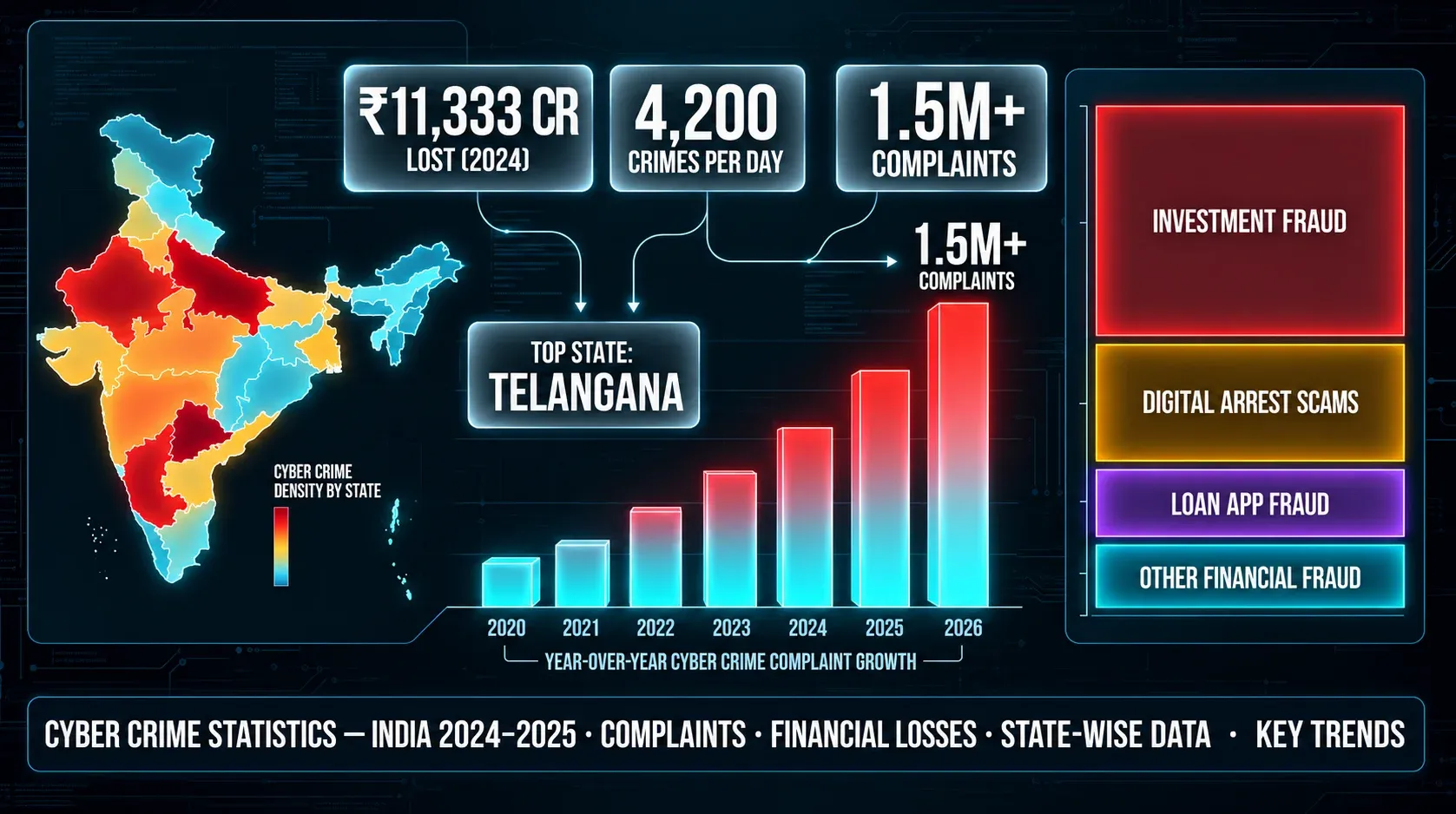
The same choreography of planted praise and visible success runs through a wider wave of investment fraud, and older people are prominent among those affected.
Ministry of Home Affairs figures shared in Parliament show that 1,03,488 senior citizens reported financial cyber-fraud complaints involving ₹4,005.12 crore during 2025, a figure covering cyber fraud broadly rather than stock-tip groups alone.
In Noida, an 82-year-old reportedly lost ₹50 lakh in an online investment scam in October 2026.
In another case, a retired telecom-department engineer alleged that he transferred approximately ₹75 lakh after being added to a WhatsApp trading group promising access to Indian and US markets.
His confidence grew after the promoted platform allowed him to withdraw a small sum.
Later, as pressure to invest more increased, he could no longer access his account.
That small withdrawal is a useful reminder: a transaction that appears successful does not prove that a platform is legitimate, that money has been invested in actual securities or that larger withdrawals will be possible.
A convincing balance on a screen is not the same as accessible money.
The small withdrawal is not a leak in the scheme.
It is the scheme's marketing budget.
A warning on every trading screen
Project Jagrook aims to put investor awareness closer to the point where financial decisions are made.
From 1 November, stockbrokers must display SEBI’s prescribed messages on the landing pages of their websites and, on the landing pages of their trading apps, alternate them with the existing risk disclosures (standard warnings about the chances of loss in trading).
The bilingual messages will appear on Mondays, Wednesdays, Fridays and Sundays, with existing risk disclosures shown on Tuesdays, Thursdays and Saturdays.
The campaign’s messages are direct: “Understand Before You Invest”, “Choose Regulated Investment Products”, “Start Early, Stay Invested” and “Beware of Investment Frauds”.
The requirement builds on SEBI’s risk-disclosure framework introduced on 19 May 2023. It adds investor-awareness messages rather than replacing existing disclosures.
Yet a warning on a regulated app cannot verify a WhatsApp administrator, authenticate a screenshot of supposed success or stop an investor from transferring money to a fraudulent platform.
Displaying a message also does not guarantee that every investor reads or understands it. The challenge is not simply to make warnings visible.
It is to help investors recognise when the person offering a tip has a financial incentive that differs from their own.
What investors should check
Source: DeXpose
Before acting on a stock tip, investors should:
- Verify the source: Be wary of invitation-only groups run by unknown people claiming to be market experts, particularly those using overseas numbers.
- Ignore manufactured proof: Do not rely on planted-looking testimonials, screenshots of supposed success or claims that a large group endorses a recommendation.
- Check the intermediary: Verify registration through SEBI’s official register and check trading-app authenticity through SEBI’s investor-support portal.
- Protect account details: Do not open accounts on platforms promoted by suspicious groups, transfer money to them or share holdings and trading-account information with their operators.
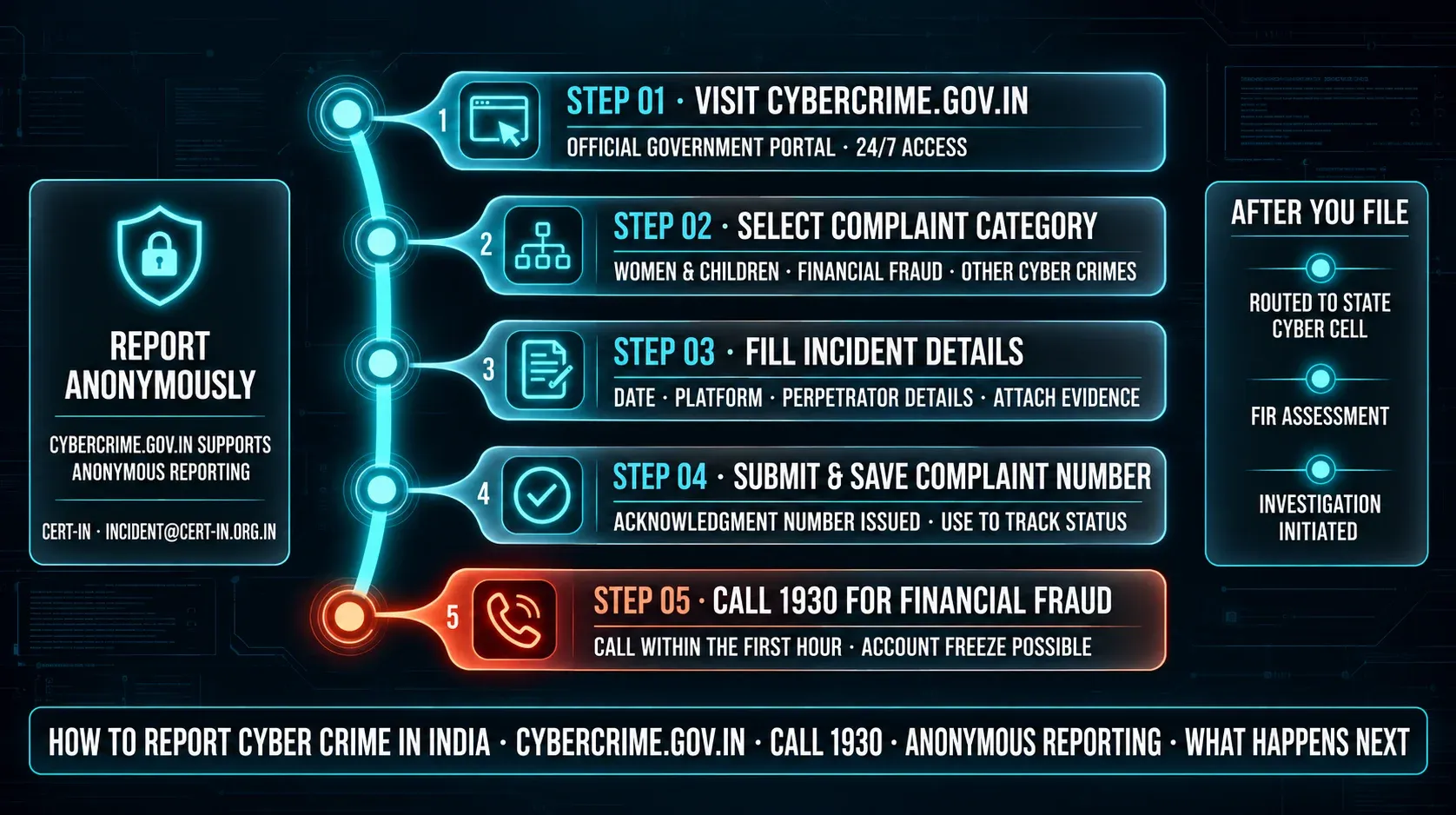
- Report suspected fraud: Call 1930 or report it at cybercrime.gov.in.
For investors and traders, the lesson is not to avoid every unfamiliar market opinion.
It is to separate a verifiable investment proposition from a performance designed to manufacture trust.
A persuasive administrator, a convincing logo and a successful small withdrawal are not substitutes for independent checks.
From 1 November, the warning will be harder to miss on regulated trading screens.
The next tip, however, may still arrive privately, accompanied by screenshots and strangers insisting that everyone else is already in.
In a market where credibility can be manufactured, the number of people endorsing a tip matters far less than whether the source, intermediary and investment can be independently verified.
Sources and References:
- DEXPOSE
- SEBI
- BANGALOREMIRROR
- NHRC
- INDIANEXPRESS
- INDIATIMES
- ECONOMICTIMES
- ENFORCEMENTDIRECTORATE
- LIVEMINT
This article is for informational purposes only and does not constitute financial advice. It is not produced by the desk of the Kotak Securities Limited Research Team, nor is it a report published by the Kotak Securities Limited Research Team. The information presented is compiled from several secondary sources available on the internet and may change over time. Investors should conduct their own research and consult with financial professionals before making any investment decisions. The above images were generated using AI.
Investments in securities market are subject to market risks, read all the related documents carefully before investing. Brokerage will not exceed SEBI prescribed limit. The securities are quoted as an example and not as a recommendation. Registered Office: 27 BKC, C 27, G Block, Bandra Kurla Complex, Bandra (E), Mumbai 400051. Kotak Securities Limited; SEBI Registration No. INZ000200137(Member of NSE, BSE, MSE, MCX & NCDEX), Member Id: NSE-08081; BSE-673; MSE-1024; MCX-56285; NCDEX-1262. For compliance T&C and disclaimers, Visit bit.ly/ksecdisc.
0 people liked this article.

Shreyas is a capital markets enthusiast and content strategist at Kotak Neo, driving content for Kotak Stockshaala and Kotak Insights. His work sits at the intersection of market analysis and financial literacy, turning what's moving the market into content people can actually act on.
Outside the 9-to-5, he's usually chasing his next sneaker drop, planning his next vacation, or elbow-deep in a crossword.