Wholesale Price Index Explained: Meaning, Formula And Key Differences Between WPI vs CPI
- Posted: 02 Jun 2026, 4:41 PM IST
- | 4m
- 1,080
 Add Preferred News Source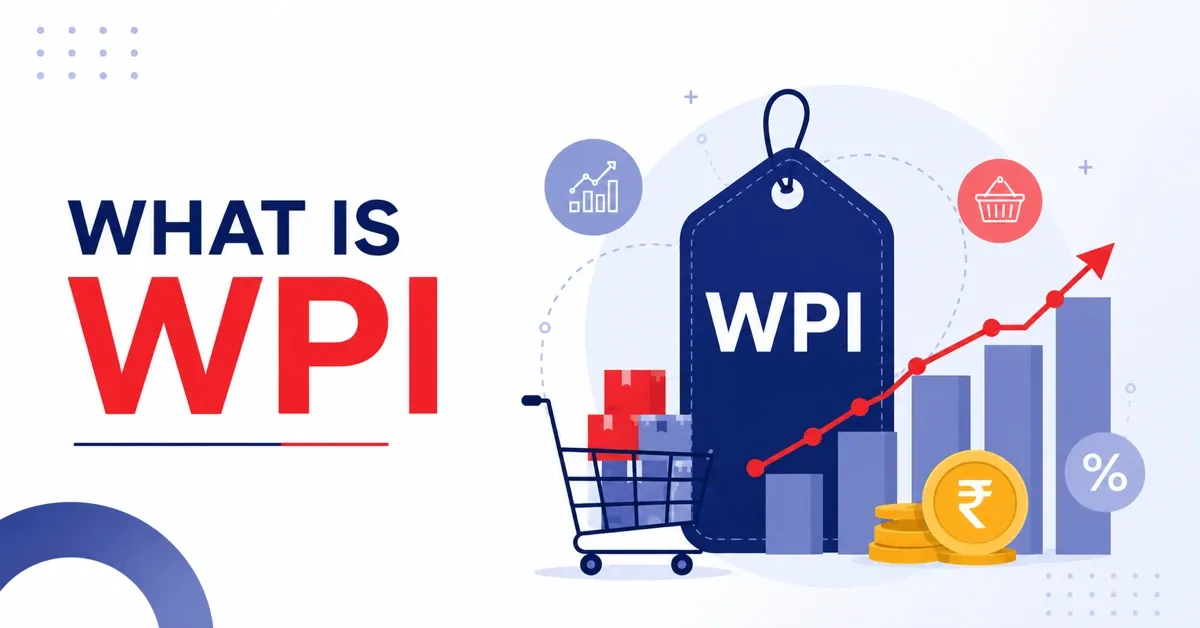
Your favourite packet of biscuits still costs ₹20. But when you open it, there are fewer biscuits inside than there used to be. What’s driving this quiet change is a chain reaction happening behind the scenes: wholesale prices of wheat, sugar, packaging materials, and other essentials have all gone up.
The Wholesale Price Index (WPI) measures this change in prices of goods traded in bulk by wholesale businesses to others. Read on to know what is Wholesale Price Index, its calculation methodology, and various other aspects.
WPI Meaning
Before we understand the Wholesale Price Index meaning, let us first understand what is WPI? It measures how prices move for goods sold in bulk from one business to another. In other words, it represents the price of goods at a wholesale stage.
It is one of the most widely used inflation indicators in India, which is published by the Office of the Economic Adviser (OEA), Ministry of Commerce, and Industry.
How Is WPI Calculated?
Similar to stock market indices, the Wholesale Price Index is based on the wholesale prices of a few selected commodities (697 in total) and their weightage (see table).
Fuel and power | 13.15 |
Primary articles (commodities) | 22.62 |
Manufactured products | 64.23 |
These commodities represent different classes of the economy. The base year for the WPI index is 2011-12. The Wholesale Price Index formula is as follows:
WPI Index = (Sum of Weighted Current Price / Sum of Weighted Base Year Price) X 100
Importance Of WPI In The Economy
WPI plays an important role in the economy in several ways, including:
Measure Inflation Trends
With WPI, you can keep track of bulk goods prices as they change over time. It helps you understand if prices are rising or falling at the wholesale level. This helps you and policymakers gauge inflation in the economy. If WPI increases, it can affect the price of retail goods.
Also, with the Wholesale Price Index, you can understand the price movement at an early stage. It helps you understand if manufacturers would pass on the increased cost to you or not.
Helps In Policy Decisions (RBI/government)
The government and the Reserve Bank of India (RBI) closely monitor WPI data to make economic decisions. Note that a rise in WPI can affect decisions on interest rates, among others. For instance, if WPI remains high for a considerable period, the RBI can increase interest rates to keep inflation in check.
At the same time, it can help the government understand the sectors that face pricing pressures. Narrowing down on these sectors can help the government and the concerned authorities to take steps to improve the supply chain.
Useful For Businesses And Investors
WPI data helps businesses plan their pricing, production, and inventory. For instance, if raw materials prices increase, companies may raise their product prices. They can also take steps to reduce costs elsewhere.
Also, by keeping a close watch on the WPI index, companies can decide the amount of inventory they need to maintain. For example, if firms feel that prices can rise in the future, they can maintain inventory accordingly.
If WPI falls, then firms can reduce inventory purchases for cost control. Investors also closely track WPI as it can impact a company's profits along with market sentiment.
Indicate Supply-Side Price Pressures
Note that WPI closely focuses on wholesale prices of goods like fuel, food items, and manufactured products. Due to this, it gives an early sign of supply-side pressure in the economy. Note that an increase in fuel or raw material costs can affect several industries simultaneously.
Similarly, rising prices of metals and agricultural inputs can impact the construction and consumer goods sector. Businesses may eventually pass on the increased cost to consumers.
Conclusion
WPI is an important economic indicator that helps companies and the Central government shape their respective policies. Released every month, keeping a track of WPI can help you understand the impact it is likely to have on your budget and finances in the long run.
Sources:
EA Industry
PIB
FAQs
WPI vs CPI comes down to who the prices are measured for. WPI captures shifts in wholesale pricing. The CPI measures changes in what consumers spend on purchased goods over time.
WPI is important as it helps measure price changes at a wholesale level. With it, policymakers can get an early indication of inflation as it tracks prices of fuel, manufactured products, etc.
In simple terms, WPI shows if a business is paying more or less for goods than before. If WPI rises, firms may increase prices for goods and products.
The content in this blog is intended purely for educational purposes. Any securities or mutual funds referenced are illustrative in nature and do not constitute a recommendation or endorsement by Kotak Neo. Investors are encouraged to assess their own financial situation and seek professional advice before making any investment decisions. For compliance T&C and disclaimers, visit www.kotakneo.com/disclaimer
0 people liked this article.