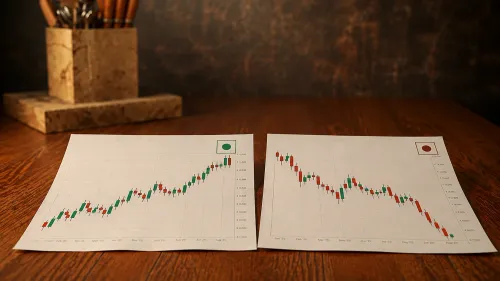
Advantages And Disadvantages Of Intraday Trading
- Updated: 22 May 2026, 5:10 PM IST
- | 3m
- 1,799
 Add Preferred News Source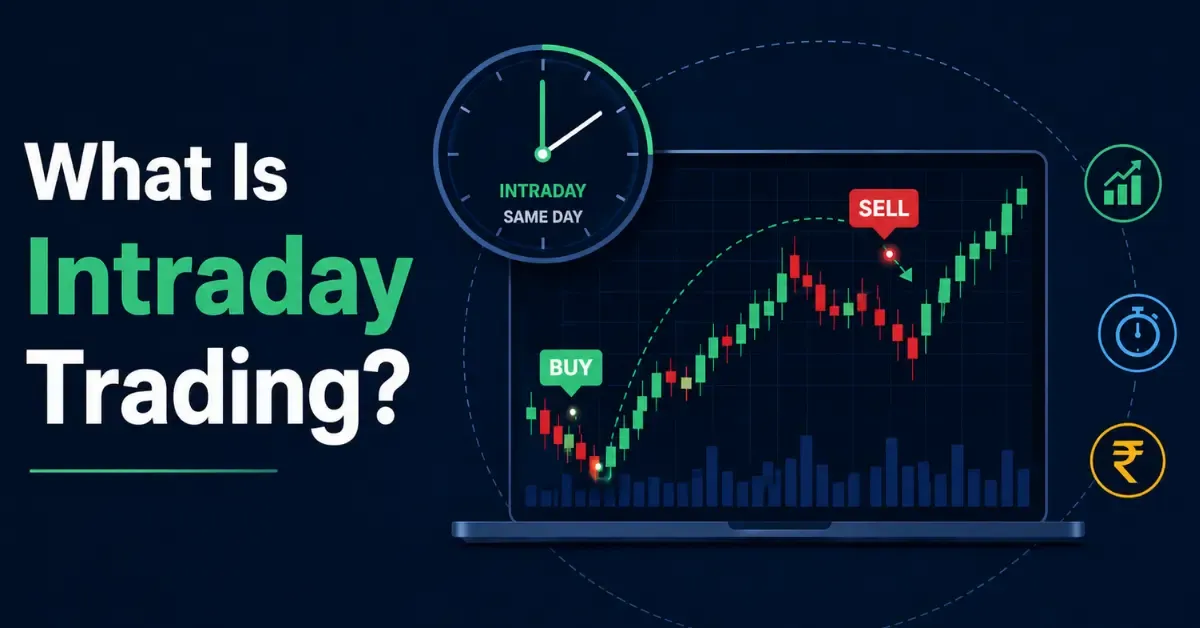
Almost everyone who steps into the stock market encounters intraday trading early. It does sound tempting buy, sell, and wrap it up within the same day. No long waiting. No holding positions for months.
While it appears simple in theory, practical execution is far more complex.
Spend a little time with it, and the picture changes. Yes, there are clear advantages to intraday trading. However, there is also a side people do not always talk about, at least not until they have experienced it firsthand. That is why looking at both matters otherwise, it is easy to walk in with the wrong expectations. This article examines both the pros and cons of intraday trading, alongside the basics behind it.
What Is Intraday Trading?
Intraday trading is precisely what the name suggests. Stocks are bought and sold on the same trading day. By market closing, all the trades are squared off, ensuring no positions are carried forward.
The focus is on short-term price movements, which are sometimes driven by news, sometimes by sentiment, and sometimes just by the patterns traders track on charts. The goal is to earn profits from these small price movements.
This is where it differs from long-term investing. Long-term investors zoom out to look at the full picture before buying any stock. They focus on what might unfold in the future and invest accordingly. Intraday traders, on the other hand, focus on what is happening at present and what might unfold within the next few hours.
Advantages Of Intraday Trading
There is a reason this style of trading draws people in. It can feel engaging and efficient, particularly for those who prefer a hands-on approach to investing. Here are a few benefits of intraday trading that usually stand out.
No Overnight Risk
One of the key benefits of intraday trading is that all positions are closed before the next trading day begins.
This means the trader is not exposed to developments that unfold aftermarket hours. Global developments, policy announcements, unexpected news -these can all move prices the next day. Intraday traders avoid this entirely by closing all trades before the day ends.
Higher Leverage On Capital
Intraday trading often comes with leverage. This means one can take positions larger than the available account balance. You can do this by borrowing funds from your broker (margin), which lets you take a bigger position than your actual capital. Brokers allow this since intraday trades are short-lived.
Leverage can boost returns, but it can just as easily work against the trader. A larger position size increases overall exposure, magnifying losses as well. That is why, even though it is often cited as a key benefit of intraday trading, leverage must be used with caution.
Potential For Quick Returns
The prospect of making money within a single day is what draws most people to trading intraday. Intraday trading can make this possible. Small price movements, if timed right, can turn into gains. Some traders build their approach around stacking these small wins.
However, this does not happen on demand. Markets do not cooperate just because you’re ready. While quick returns are possible, they are far from consistent.
Ability To Short Sell
In intraday trading, you can short-sell instead of relying on rising prices, which means you sell first and buy later at a lower price.
Even when the market is falling, traders are not sitting on the sidelines. In fact, for some traders, falling markets feel more predictable and thus offer much better profit opportunities.
This flexibility can be useful, especially when things get volatile.
Lower Capital Requirement
One of the key benefits of intraday trading is that a large amount of capital is not required to get started. Since trade is short-term and leverage is available, many traders begin with relatively less capital than delivery trading requires. It is worth noting, however, that less capital does not always mean less risk.
High Liquidity And Flexibility
Intraday traders tend to stick with highly liquid stocks.
This liquidity allows traders to enter and exit positions quickly, without waiting on buyers or sellers. It also gives you room to react. If the market shifts, positions can be adjusted readily. Traders are not locked in, hoping conditions improve.
Disadvantages Of Intraday Trading
The following section covers the aspects that receive less attention but are arguably more important. Intraday trading can be rewarding, yes. However, it can also be demanding in ways people do not expect. Below are some of the common disadvantages of intraday trading.
Risk Of Significant Losses
Losses can accumulate faster than expected. Short-term price movements have an unpredictable nature. A trade might appear sound on paper and still move in the wrong direction. When this happens, losses can accumulate quickly, particularly when leverage is involved. This is easily one of the biggest disadvantages of intraday trading, and one that frequently catches traders off guard
Requires Constant Market Monitoring
Intraday trading cannot realistically be treated as a side activity. Intraday trading needs your attention. Prices move quickly, and timing matters. Miss a moment, and the opportunity or exit might be gone.
For many, this becomes exhausting over time. It is not just trading - it is constant monitoring.
Emotional And Psychological Pressure
There’s a mental side to intraday trading that’s hard to ignore.
Traders make multiple decisions within a short span. Some work; some don’t. That back-and-forth can become overwhelming.
Emotions creep in quickly fear, hesitation, and sometimes overconfidence after a string of wins. Managing this kind of mental pressure isn’t easy. Many traders struggle with this every day.
Higher Transaction Costs
Intraday trading means multiple trades in a single day. More trades mean more costs.
Brokerage fees, taxes, and other charges apply to every trade. Individually, they do not seem like much. Over time, however, they accumulate. If left unaccounted for, these costs can erode profits more than expected.
Limited Time Window
Intraday trading involves working within fixed market hours, which means you get a small window to detect the right opportunities and act on them.
On some days when the market feels slow or unclear, there may be no trades that make sense. On other days, everything may move too quickly for one to keep pace.
Either way, the trader does not control the pace the market is.
Who Should Consider Intraday Trading?
Intraday trading is an attractive option for those seeking short-term gains from the market. That said, this approach isn’t for everyone. It usually works better if you:
-
You can actively track the market during trading hours
-
You’re comfortable dealing with short-term uncertainty
-
You can make decisions quickly without overthinking every move
-
You have a clear strategy and the discipline to follow it
For those who prefer a slower, less reactive approach, long-term investing may feel more natural.
Conclusion
Intraday trading sits somewhere between opportunity and pressure.
On one side, there is flexibility, leverage, and the possibility of quick returns. On the other, it demands time, focus, and considerable self-control.
Understanding the advantages and disadvantages of intraday trading helps you walk in with clearer expectations.
Ultimately, it is not about speed - it is about how well one handles what comes with it.
Sources:
Investopedia
The Economic Times
FAQs On Pros & Cons Of Intraday Trading
A key advantage is that positions are not carried overnight, eliminating that risk entirely. Beyond that, you can short-sell, use leverage easily, and aim for quick, short-term gains. Additionally, getting started does not usually require as much capital as delivery trading.
It can be.
Prices move fast, and you don’t always get much time to think through a decision. Without a solid understanding of how markets work or a plan to manage risk, losses can accumulate quickly. For those just starting out, it is advisable to keep positions small and build knowledge progressively.
Yes, many brokers offer leverage, allowing traders to take positions larger than their available capital. That said, it cuts both ways; losses can build up just as quickly. Starting small, staying cautious, and focusing on learning the process tends to work better than chasing fast profits.
With intraday trading, you’re in and out within the same day; both the buying and selling happen before the market shuts. Delivery trading is the opposite in that sense; you hold on to the stocks for a while, whether that’s a few days, months, or longer. One plays out over short-term price moves, the other is more about staying invested for growth over time.
The content in this blog is intended purely for educational purposes. Any securities or mutual funds referenced are illustrative in nature and do not constitute a recommendation or endorsement by Kotak Neo. Investors are encouraged to assess their own financial situation and seek professional advice before making any investment decisions. For compliance T&C and disclaimers, Visit https://www.kotakneo.com/disclaimer/
0 people liked this article.

Kotak Neo (Kotak Neo) is India's venerable stockbroking company with a rich legacy. It offers comprehensive investment services across asset classes, prioritising a technology-first approach for a seamless experience. Trusted by 5 million+ customers, it guides you toward financial success with ease of investment and speed of trade.
Note: The opinions expressed in this blog are personal viewpoints and should not be construed as recommendations.
Similar Articles
Indian Market Strategy for 5th Oct. | Nifty Up 100 Points; 19,330 Crucial Support Level

Indian Market Strategy for 4th Oct. | Nifty Trades Lower; 19,350 Crucial Support Level
Indian Market Strategy for 3rd Oct. | Nifty Down 106 Points; 19,490 Crucial Support Level