Today’s silver price in Dumka is ₹2,68,900/kg or ₹2,689/10g. Retail rates can vary with purity, market movements, demand, GST, and dealer charges.
Silver Rate Today
Silver Rates for the Last 30 Days in Dumka
Silver Rate Chart for Dumka
Silver Rates in Major Cities
Silver Rates in Major States
Things to Consider Before Buying Silver
The following checks can help buyers make a more informed purchase decision:
- Certification of purity: There are different levels of silver purity available in the market, such as 925 and 999 silver, among others. Always ensure that the piece is BIS-hallmarked before buying.
- Retail price vs spot price: Check today’s silver price before you walk into any shop. Calculate the premium, i.e., how much more the dealer is charging over the international benchmark.
- Total cost: The final price you pay will include the metal price, GST, making charges, and occasionally a handling or sourcing fee. Ask for a full breakup before you pay.
- Form and liquidity: Silver coins and bars from well-known retailers are easy to sell. Digital silver and silver ETFs are also known for better liquidity.
Global bullion market trends and fluctuations in the Indian rupee against the US dollar primarily influence silver prices. Because these drivers change frequently, the live silver price often reacts instantly to geopolitical events and currency swings. In addition to the benchmarks mentioned above, the price of silver is also influenced by several other factors:
Global market trends: Any activity in the international markets (COMEX or the London market) may directly affect 10g, 100g and 1kg silver prices.
Currency Fluctuations (USD vs INR): Since India imports a substantial percentage of its silver, a weaker rupee will make imports pricier, causing domestic prices to rise.
Industrial Demand: Silver can be used in numerous industries such as electronics, solar energy, EVs, and others. An increase in industrial demand usually drives prices up due to supply bottlenecks.
Import Duties and Taxes: Changes in customs duty or import tariffs can instantly alter the landed cost of silver. This activity can create a new price floor for retail markets.
Benefits of Investing in Silver
Silver offers investors practical portfolio advantages in the following ways:
- Strengthens portfolio diversification: Silver does not act in the same manner as equities and fixed-income securities. In this way, it helps investors reduce overall portfolio concentration and achieve consistent returns across market cycles.
- Enables disciplined accumulation: Investors can accumulate silver in small and frequent amounts, which makes silver an appropriate investment in systematic and long-term allocation strategies.
- Provides liquidity and ease of exit: Silver’s exchange-traded and market-linked investments enable investors to sell their investments for cash without extensive settlement times and complicated procedures.
- Supports portfolio rebalancing: The cyclical nature of silver price changes provides an option to rebalance a portfolio by selling gains or reallocating more of the portfolio during downturns.
- Offers operational simplicity: Silver products that are market-priced eliminate the issues of storage, purity checks, and insurance, making them easy to administer in a portfolio.
How Is The Silver Price Determined In Dumka ?
- •
Unit Conversion and Forex: Globally, silver is priced in United States dollars per troy ounce first. Then comes the conversion into Indian rupees per kilogram. That is precisely why changes in the exchange rate affect silver prices in Dumka.
- •
Taxes and customs: Buying silver means factoring in more than the base price. Taxes and customs affect the landed cost. A 3% goods and services tax is charged on purchases. Making charges that are listed separately attract a 5% Goods and Services Tax.
- •
Regional logistics: Dumka is an inland city, unlike coastal cities. Freight and insurance from the nearest port cities may add a small but real premium to the price of silver in Dumka today compared to other cities.
Purity & Hallmark Evaluation In Dumka
If you are buying older silverware or pieces where hallmarks may have worn off, you can take the item to a BIS-approved assaying centre. Dumka has several of these, and they will test the piece and issue a written report confirming purity.
- •
BIS Hallmark: The official triangular logo of the Bureau of Indian Standards, confirming the silver meets Indian quality standards.
- •
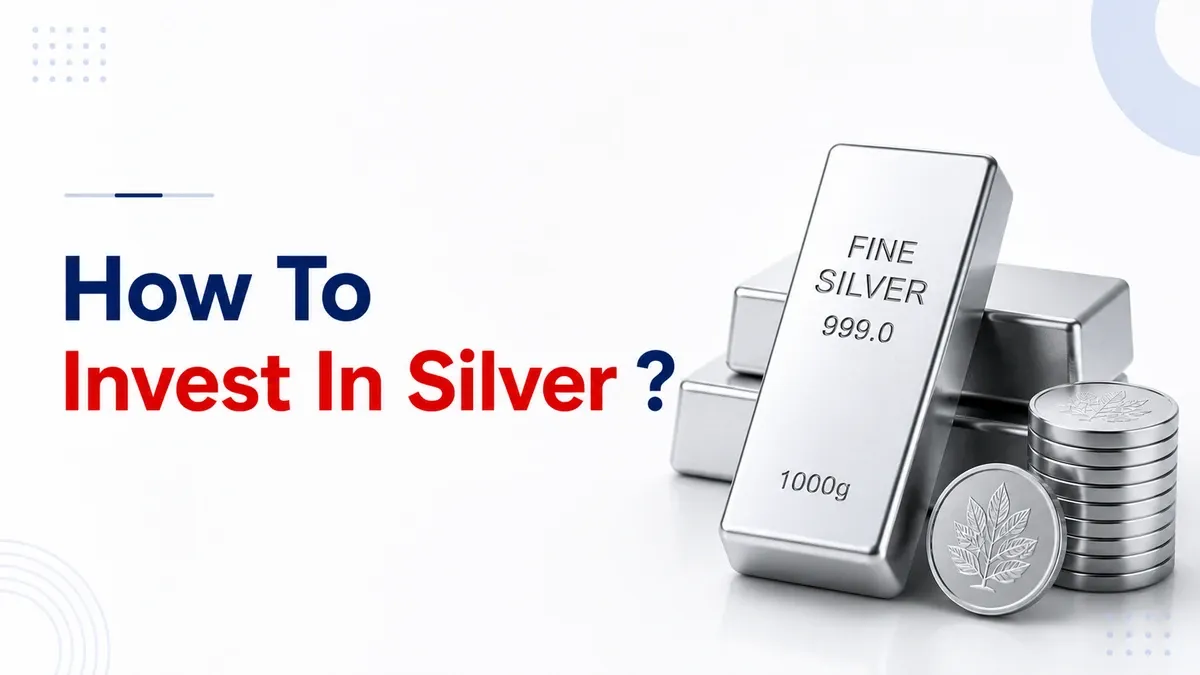
Purity Grade: Fine silver (999) is 99.9% pure and is the standard for investment-grade bars and coins. Sterling silver (925) is commonly used in jewellery.
- •
Hallmark Unique Identification (HUID): A unique 6-digit alphanumeric code, which is assigned to each hallmarked piece.
Why Do Jewellers In Dumka Offer Different Silver Rates?
- •
Jewellers may not always quote the same price for silver jewellery. The purity of the silver used can also lead to differences. Jewellery carrying a 999 mark is not always priced in the same way as those made using 925 or 800 silver.
- •
Pricing may also vary depending on their offered profit margin. This is particularly visible between organised retailers and independent jewellers.
- •
The cost at which silver is sourced can also play a role. Some jewellers may be working with inventory purchased at different prices, while competitive pressures in a particular market area can also influence the rates being quoted.
Top Silver Mutual Funds
Top Silver ETFs
83.69% | |
84.37% | |
83.90% | |
84.14% | |
85.80% |
Disclaimer : The silver prices displayed above are provided for reference purposes only and do not include GST, TCS, or other applicable taxes and levies. For the final and most accurate silver price, please get in touch with your local jeweller.
FAQs
As of 22 Sept 2026, the 999-purity silver rate in Dumka stands at ₹2,68,900 per 1 Kg.
When comparing silver prices, don't look at the rate alone. Consider the jeweller's charges, making charges, wastage, and the purity of the silver before making a purchase.
As of 22 Sept 2026, the silver rate per gram in Dumka is ₹269 (999 purity). Retail prices may vary slightly once GST and dealer charges are added.
As of 22 Sept 2026, 10gm of silver in Dumka is ₹2,689.
As of 22 Sept 2026, 1 kg of silver in Dumka costs ₹2,68,900.
Silver rates can vary across cities due to differences in local demand, logistics costs, supply and dealer pricing.
Silver is considered a relatively safe investment in Dumka in 2026, with steady industrial and investment demand. Like any commodity, prices fluctuate daily but have historically held value over the long term.
Silver purchases in Dumka attract 3% GST on the metal value. Making charges and other applicable charges may also affect the final price.
999 silver is 99.9% pure, ideal for investment. 925 silver (sterling silver) contains 92.5% silver mixed with copper, making it more durable and commonly used in jewellery.