What is a Mutual Fund Factsheet and How to Read One?
- Updated: 22 May 2026, 5:12 PM IST
- | 3 min read
- 1,182
 Add Preferred News Source
If you think mutual fund analysis is the job of financial experts, you are not alone. Several people feel it's the kind of thing people in suits do while staring at multiple screens. However, the good news is you don't need a finance degree to make sense of mutual fund information. You just need to know where to look. And that's where the fund fact sheet comes in!
What is a Mutual Fund Factsheet?
A mutual fund fact sheet is like a cheat sheet for investors. It tells you everything you need to know about a fund, what it invests in, how risky it is, its past performance, etc. The sheet has all the key information you need to analyse and understand for informed decision-making.
How to Read a Fund Fact Sheet?
Now, you must be thinking that the fact sheets look like a bunch of numbers and finance mumbo-jumbo! Let’s break it down into bite-sized pieces for better understanding. The mutual fund fact sheet is divided into several sections, each of which holds crucial information about the fund. These include:
-
Fund Overview: The First Impression
This section tells you the fund’s name, its category and the kind of assets it invests in. If you’re looking for growth, a large-cap equity fund might be your thing. If you want stability, a debt fund could be a better choice.
-
Investment Objective: What’s the Game Plan?
This part explains what the fund is trying to achieve. Is it aiming for long-term capital growth? Steady income? Low risk? It’s like reading a mission statement. If the objective doesn’t match your investment goals, you know it’s not the right fit.
-
Past Performance: The Report Card
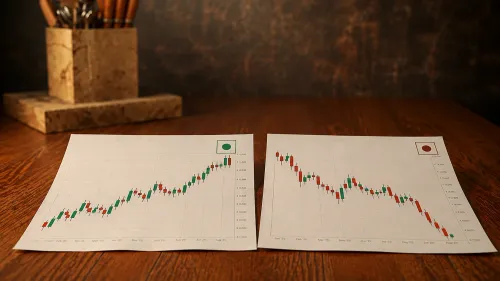
Would you trust a driver who keeps crashing their car? Probably not. The same logic applies here. A mutual fund fact sheet will show past performance over different time periods (1 year, 3 years, 5 years, etc.). However, don't just look at the numbers in isolation. Compare them with similar funds and the benchmark index to see how well it's actually performing.
-
Expense Ratio: The Hidden Cost
This is the fee you pay for the fund manager’s expertise. Lower expense ratio is generally better, but it’s not always the case. Sometimes, a slightly higher fee is worth it if the fund consistently delivers strong returns.
-
Risk Factors: Know What You’re Getting Into
While every mutual fund carries some element of risk, some are riskier than others. The fact sheet will usually have a riskometer. The riskometer shows if the fund is low, moderate or high risk. If you panic when your portfolio drops a little, maybe avoid high-risk funds.
-
Top Holdings: Where’s Your Money Going?
The fact sheet will list the top stocks or bonds the fund is invested in. If it’s an equity fund and you see a bunch of companies you’ve never heard of, you might want to dig deeper. If they are solid companies, it's usually a good sign.
-
Portfolio Turnover Ratio: The Fund’s Shopping Habits
The fact sheet will list the top stocks or bonds the fund is invested in. If it's an equity fund and you see a bunch of companies you've never heard of, you might want to dig deeper. If they are solid companies, it's usually a good sign.
In Conclusion
Reading a fund fact sheet isn’t about becoming a finance guru overnight. It’s about making informed choices so you help make your money work smarter for you.
The content in this blog is intended purely for educational purposes. Any securities or mutual funds referenced are illustrative in nature and do not constitute a recommendation or endorsement by Kotak Neo. Investors are encouraged to assess their own financial situation and seek professional advice before making any investment decisions. For compliance T&C and disclaimers, Visit https://www.kotakneo.com/disclaimer/
0 people liked this article.

Kotak Neo (Kotak Neo) is India's venerable stockbroking company with a rich legacy. It offers comprehensive investment services across asset classes, prioritising a technology-first approach for a seamless experience. Trusted by 5 million+ customers, it guides you toward financial success with ease of investment and speed of trade.
Note: The opinions expressed in this blog are personal viewpoints and should not be construed as recommendations.