Dynamic Asset Allocation Funds - A Deep Dive
- Updated: 22 May 2026, 5:12 PM IST
- | 9 min read
- 1,358
 Add Preferred News Source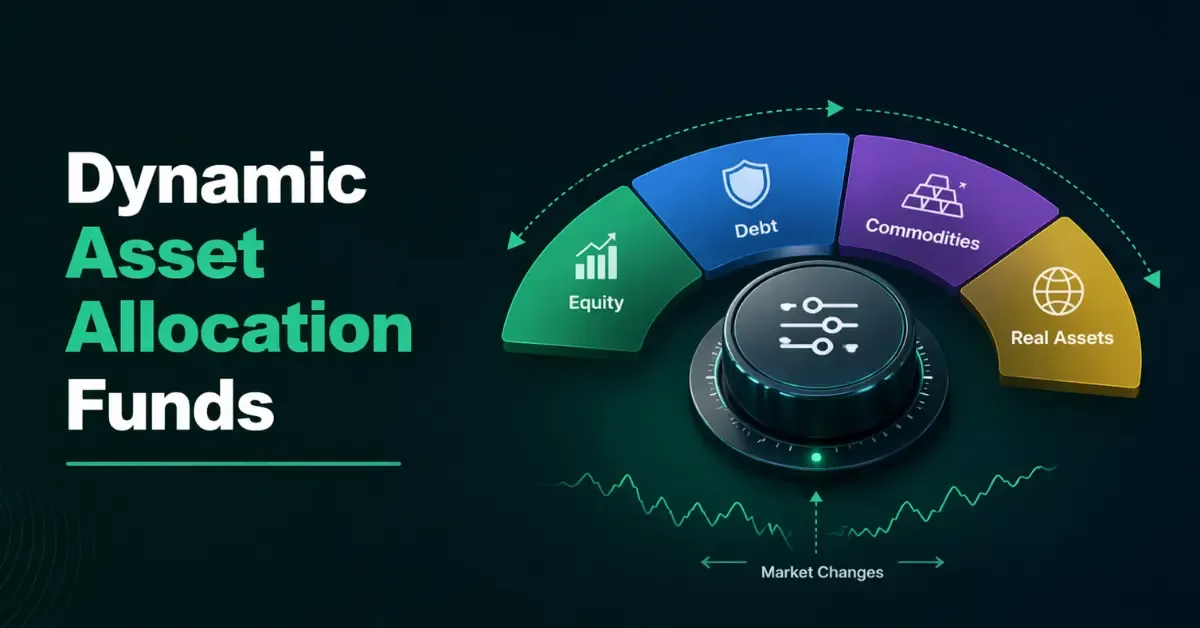
Markets are in a constant state of flux. There are phases when they climb and times when they drop, and stretches of relative stagnation which is why investing is not solely about selecting the right assets it is also about adjusting along the way.
Many investors run into trouble here. When markets are rising, it’s tempting to put in more. When they fall, the instinct is to step back. Both can end up hurting long-term outcomes. Dynamic asset allocation funds aim to smooth this out by adjusting exposure as conditions change.
What Are Dynamic Asset Allocation Funds?
A dynamic asset allocation fund dynamically adjusts between equity and debt as per the prevailing market conditions. Unlike traditional mutual funds with a fixed allocation, dynamic asset allocation funds can change their asset allocation based on market conditions. This flexibility allows fund managers to capitalise on opportunities and shield investors from potential downturns. These funds are also known as balanced advantage funds.
How Do Dynamic Asset Allocation Funds Work?
Dynamic asset allocation funds are managed by experienced professionals who actively monitor market conditions and adjust the portfolio's asset allocation accordingly. The asset allocation can vary between equity and debt instruments, depending on the fund manager's outlook on the market and as per the fund’s investment philosophy.
Fund managers rely on various quantitative models, economic indicators, and market signals to make informed decisions. For example, when the market is bullish, the fund manager may increase the allocation to equity instruments to capitalise on potential gains. Conversely, during bearish market conditions, the manager may reduce the equity allocation and shift towards debt instruments to safeguard against potential losses.
Benefits of Dynamic Asset Allocation Funds
Dynamic asset allocation funds offer the following benefits:
1. Automatic Portfolio Rebalancing
The fund shifts between equity and debt as market conditions change. There is no need for manual intervention. The portfolio stays in sync with evolving conditions.
2. Reduces Market Timing Risk
Investors do not have to predict market highs or lows. The fund manager actively changes the allocation, helping minimise the risk of entering or exiting the market at the wrong time.
3. Better Risk Management
Dynamic asset allocation funds carry lower risk than pure equity funds, owing to reduced equity exposure in overpriced and volatile markets.
4. Potential For Stable Returns
The idea behind them is simple: balance risk with return. As a result, their performance tends to be steadier over market cycles than that of highly volatile equity investments.
5. Ideal For Long-Term Investors
These funds work best for investors who want steady growth but prefer to keep risk in check. Because of that balance, they fit well into long-term wealth plans where managing sharp market swings is a priority
6. Tax Efficiency
Most dynamic asset allocation funds are taxed as equity-oriented funds provided equity exposure meets the requisite criteria offering favourable tax treatment on long-term capital gains.
Who Should Invest in Dynamic Asset Allocation Funds?
Dynamic asset allocation funds are ideal for investors who seek a balanced exposure to equity and debt without having to actively manage the allocation themselves. These funds are well-suited for individuals with a moderate risk appetite who want to benefit from market upsides while mitigating potential downsides. They are also suitable for those looking for long-term growth with an inherent risk management strategy.
How Should You Invest In A Dynamic Asset Allocation Mutual Fund?
Investors can consider the following approaches
1. Define Your Investment Goal
Begin by defining the investment objective whether wealth creation, financial security, or both.
2. Assess Your Risk Appetite
These funds are usually considered suitable for investors who do not want to take extreme risks but are not fully conservative either. Before investing, assess one's tolerance for volatility, as market conditions can influence returns.
3. Choose The Right Fund
It is important to choose funds based on their performance, track record of the fund manager, asset allocation strategy, and expense ratio. Prioritise consistency across market cycles rather than short-term returns.
4. Prefer SIP Over Lump Sum
A Systematic Investment Plan could be worth considering. It distributes investment across smaller periodic contributions, reducing the impact of market volatility through rupee-cost averaging.
5. Stay Invested For The Long-Term
A longer investment horizon allows the dynamic strategy to benefit from multiple market cycles.
Dynamic Asset Allocation Funds Vs Other Hybrid Funds
To better understand how dynamic asset allocation funds stack up against other hybrid funds, consider the following table:
Allocation flexibility | High, adjusts based on market trends | Fixed or limited adjustments |
Risk management | Adaptive, aims to reduce volatility | Varies, may not actively manage risk |
Investment strategy | Market-driven, dynamic adjustments | Predetermined or less dynamic |
Suitability for investors | Moderate risk takers | Varies, depending on risk profile |
Considerations For Investors
These are the key factors to consider while investing in dynamic asset allocation funds:
Investment Horizon: Dynamic asset allocation funds are suitable for long-term investors who can tolerate some degree of market volatility. It is essential to understand your investment goals and time horizon before investing in these funds.
Expense Ratio: Like any mutual fund, dynamic asset allocation funds have an expense ratio covering management fees and operating expenses. You should compare the expense ratios of different funds to ensure you are getting good value for your money.
Fund Performance: Reviewing a fund's historical performance is essential before investing in a dynamic asset allocation fund. While past performance does not indicate future results, it can give insights into the fund manager's ability to navigate different market conditions.
In Conclusion
Dynamic asset allocation funds offer a proactive and adaptive approach to investing, aiming to navigate the complexities of financial markets. With the ease of investing through online platforms, these funds present a compelling opportunity for achieving long-term growth. By carefully considering your risk tolerance and investment goals, you can leverage the adaptability of dynamic asset allocation funds to enhance your portfolio’s performance.
FAQs
The power of dynamic asset allocation lies in its ability to maximise gains during favourable market conditions while helping to protect capital during market downturns.
There is no fixed fund as such. Before you put money in a dynamic asset allocation fund, look at the fund’s long-term track record and consistency in performance.
Dynamic asset funds differ significantly from multi-asset funds in their ability to shift across a broader spectrum of equity and debt exposure, whereas the latter generally adhere to a more stable allocation.
Dynamic asset allocation funds follow a flexible investment strategy which actively allocates between equity and debt according to market conditions. Fund managers tend to raise equity exposure when markets look undervalued, while pulling back once valuations seem stretched, all with the goal of improving returns relative to risk.
The primary benefit of dynamic asset allocation funds is automatic risk management through asset rebalancing. Market swings do not hit as hard this way. This keeps the portfolio more stable, protects capital, and work toward consistent growth.
The content in this blog is intended purely for educational purposes. Any securities or mutual funds referenced are illustrative in nature and do not constitute a recommendation or endorsement by Kotak Neo. Investors are encouraged to assess their own financial situation and seek professional advice before making any investment decisions. For compliance T&C and disclaimers, Visit https://www.kotakneo.com/disclaimer/
The content in this blog is intended purely for educational purposes. Any securities or mutual funds referenced are illustrative in nature and do not constitute a recommendation or endorsement by Kotak Neo. Investors are encouraged to assess their own financial situation and seek professional advice before making any investment decisions. For compliance T&C and disclaimers, Visit https://www.kotakneo.com/disclaimer
0 people liked this article.

Kotak Neo (Kotak Neo) is India's venerable stockbroking company with a rich legacy. It offers comprehensive investment services across asset classes, prioritising a technology-first approach for a seamless experience. Trusted by 5 million+ customers, it guides you toward financial success with ease of investment and speed of trade.
Note: The opinions expressed in this blog are personal viewpoints and should not be construed as recommendations.