Kakeibo: Japanese Budgeting Method to Improve Savings & Spending Habits
- Updated: 22 May 2026, 5:09 PM IST
- | 5 min 41 sec read
- 1,028
 Add Preferred News Source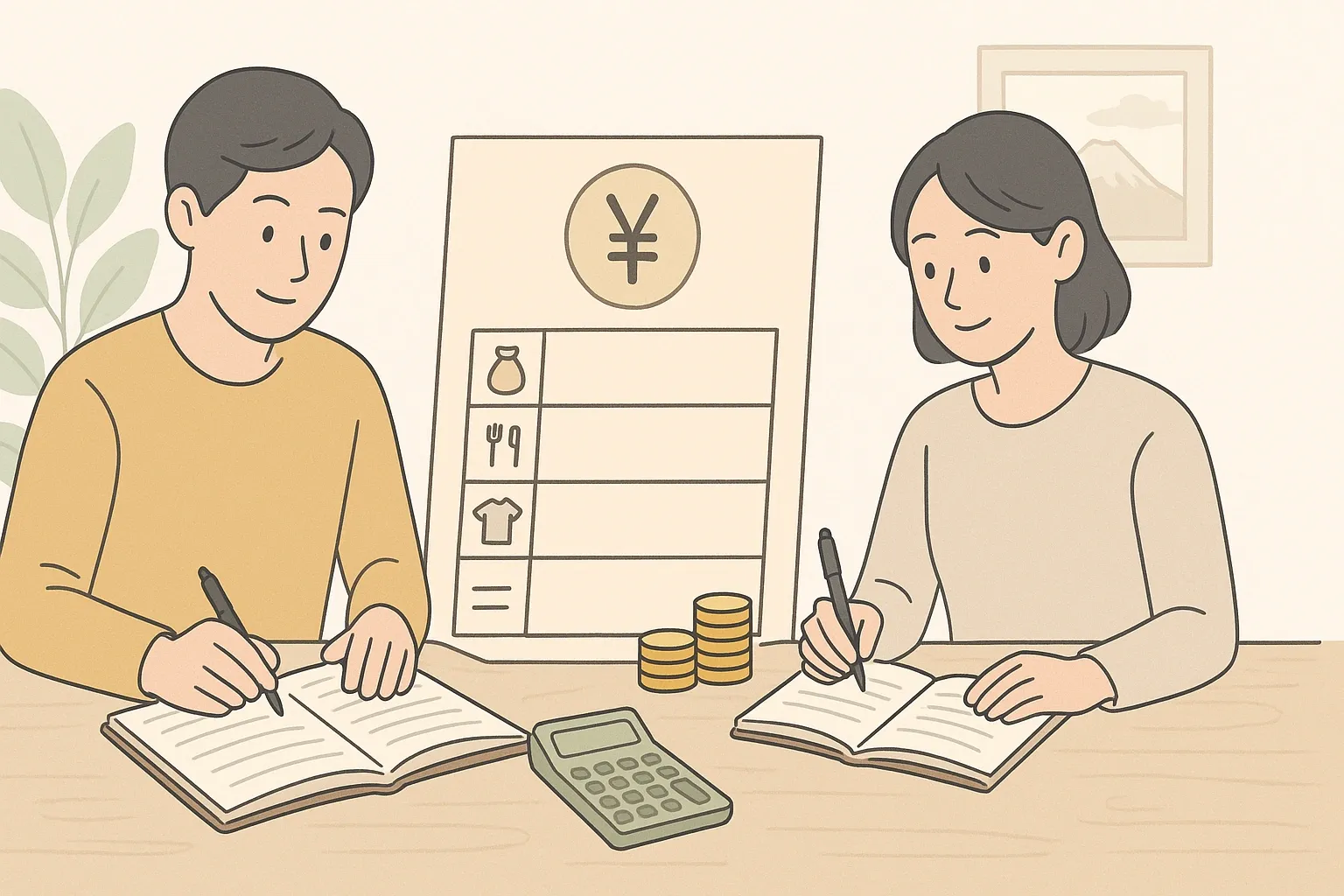
What if we told you that a budgeting technique from 1904 could beat your fancy expense-tracking app in helping you save money? Meet Kakeibo (pronounced kah-keh-bo). Born in Japan and designed for simplicity, this 100-year-old system is making a quiet comeback in a world dominated by budgeting tools.
Kakeibo doesn’t believe in apps, spreadsheets, or automation. It believes in a pen, paper, and a few smart questions that can flip your spending habits upside down.
A Brief Throwback to 1904
The idea came from Hani Motoko, Japan’s first female journalist. She wasn’t trying to start a global money revolution—she just wanted Japanese housewives to manage their home finances better. But over a century later, Kakeibo has crossed borders, hit bookshelves, and quietly turned into a global personal finance favourite.
Why? Because it works.
What Exactly Is Kakeibo?
At its core, Kakeibo is a handwritten money journal that helps you think before you spend. It’s less about tracking every rupee and more about understanding why you’re spending in the first place.
Each month, you:
- Write down your income
- Set a savings target
- List fixed expenses (like rent, bills, EMIs)
- Note what’s left for discretionary spending
Then, you divide your spending into four categories:
- Needs (groceries, transport, etc.)
- Wants (movies, shopping, dining out)
- Culture (books, music, hobbies)
- Unexpected expenses (emergencies, repairs)
The idea is to revisit these entries weekly and reflect: Are you spending with intent? Or reacting on impulse?
Why Is Kakeibo Catching On (Again)?
Because in a world of instant gratification, it forces you to slow down and think. And this old-school method comes with some surprisingly modern perks:
-
Promotes Conscious Spending Every time you make a purchase, you’re encouraged to ask: Do I really need this? Can I live without it? This simple pause creates a buffer between desire and decision.
-
Reveals Hidden Spending Patterns When you manually track your spending, you notice the subtle patterns—like that mid-week food delivery habit or impulsive weekend shopping. These are things your bank statement alone won’t highlight.
-
Helps You Plan for the Bigger Stuff Kakeibo isn’t just about surviving the month. It nudges you to think long-term—about vacations, education, emergencies, and even retirement. You stop living paycheque to paycheque, and start budgeting with purpose.
-
Keeps Lifestyle Inflation in Check
-
As your income grows, so do your cravings—new gadgets, weekend getaways, more takeouts. Kakeibo keeps you grounded. Since every rupee is accounted for, you’re less likely to upgrade every aspect of your lifestyle just because you can.
-
Builds a Personal Finance Archive Over time, your Kakeibo notebook becomes your personal finance diary. It shows how far you’ve come, what worked, what didn’t, and what money habits to repeat—or retire.
Making Kakeibo Work for You: 5 Sharp Tips
This isn’t a plug-and-play system. But if you do it right, Kakeibo can seriously transform how you manage money:
1. Be Specific With Categories.
“Needs” is too vague. Break it down: rent, groceries, internet. Same with “Wants”: split into fashion, food delivery, and impulse buys. This gives you razor-sharp clarity on where the leaks are.
2. Track Cash and Digital Spending Separately.
Swiping and scanning often feel less real than handing over cash. Keep two lists. You’ll be surprised by how invisible your digital spending is until it’s written down.
3. Account for Irregular Expenses.
Birthdays, travel, annual premiums—these can derail your budget if you don’t plan. Set up a separate Kakeibo section for these expenses. Estimate the total cost and divide it evenly across the months.
4. Don’t Budget While Paying Bills.
Planning and executing are two different mindsets. Schedule a dedicated day for budgeting. If you try to do it while clearing bills, it becomes reactive rather than strategic.
5. Schedule a Weekly No-Spend Day.
Pick one day a week to spend absolutely nothing—not even digitally. This sharpens your discipline and proves that not every day requires a transaction.
A Budgeting Philosophy, Not Just a Tool
Kakeibo isn’t here to replace your money apps. It’s here to slow you down. In a world obsessed with speed, convenience, and one-click purchases, it brings back intention. You write. You reflect. You pause. And in that pause, you save.
It may be over a century old, but in today’s hyper-consumer world, Kakeibo is as relevant—and radical—as ever.
Reference
https://www.sofi.com/learn/content/kakeibo-budgeting-method/

Kakeibo: The 100-Year-Old Japanese Budgeting Method to Save Money
Kotak Neo
•2m 58s
The content in this blog is intended purely for educational purposes. Any securities or mutual funds referenced are illustrative in nature and do not constitute a recommendation or endorsement by Kotak Neo. Investors are encouraged to assess their own financial situation and seek professional advice before making any investment decisions. For compliance T&C and disclaimers, Visit https://www.kotakneo.com/disclaimer/
0 people liked this article.