Silver Price Forecast 2026: Will Silver Rates Continue to Rise in India?
- Updated: 16 Nov 2026, 2:24 PM IST
- | 5 min read
- 1,180
 Add Preferred News Source
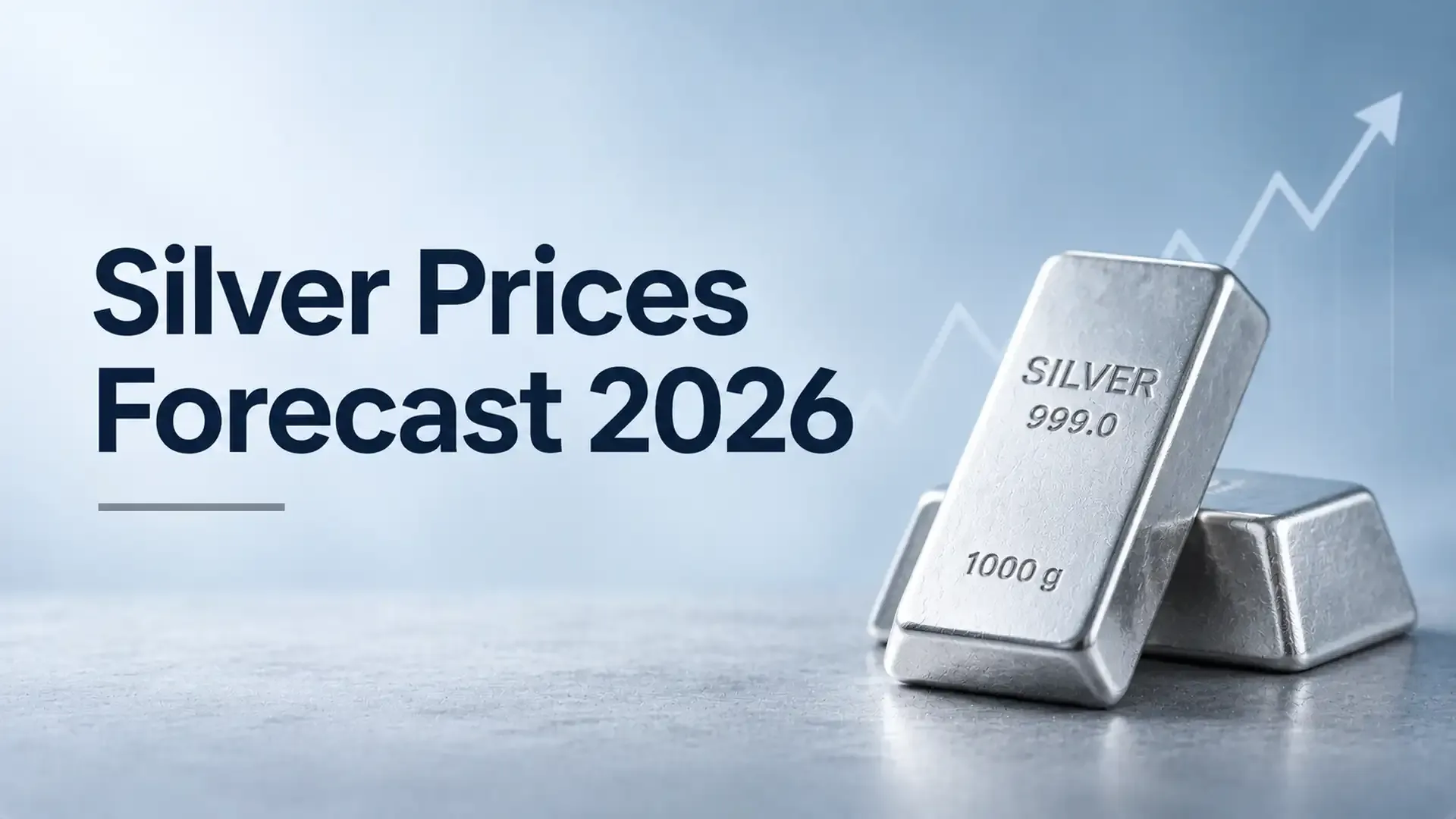
Silver has uses beyond jewellery and investment. It is needed in solar panels, electric vehicles and electronic equipment. Supply shortages, on the other hand, have also kept the market in focus. But will silver prices continue to rise in India in 2026, and where could they head by 2030?
This article looks at the price outlook, key market drivers and the risks Indian investors should watch.
Silver Price Predictions for the Next 5 Years (2026-2030)
Silver has several factors working in its favour over the next five years. Solar panels, electric vehicles and electronic equipment need silver, and the market has been dealing with a supply deficit. If supply struggles to keep pace with demand, there could be more pressure.
How interest rates move, how much institutional money flows into silver, and what happens on the geopolitical front – all of these will shape where prices head next. Indian buyers, though, have an added variable to contend with. When the rupee weakens against the dollar, domestic silver prices tend to climb regardless of what’s happening globally. And policy shifts matter just as much: the government hiked import duties from 6% to 15% in May 2026, which has already driven up what buyers pay at home.
Taking all of these factors into account, here’s where silver prices in India could realistically settle over the next five years:
Year | Lower estimate (₹/kg) | Upper estimate (₹/kg) |
|---|---|---|
2026 | ₹2.5 lakh | ₹2.8 lakh |
2027 | ₹2.7 lakh | ₹3.0 lakh |
2028 | ₹2.9 lakh | ₹3.2 lakh |
2029 | ₹3.1 lakh | ₹3.4 lakh |
2030 | ₹3.4 lakh | ₹3.5 lakh |
Silver Price Outlook For 2026: Bullish, Base, and Bear Cases
A useful way to look at silver this year is to consider what might happen under different market conditions. Strong demand and limited supply could take prices higher. But it could lose some of its gains if industrial buyers pull back or investors start selling after a rally. Hence, both sides of the market need attention, and silver's price movements in 2026 show why.
International prices touched a record high of around $121 per ounce in January before falling sharply. By early October, they were trading near $60 per ounce. Indian rates also saw a steep correction. Benchmark prices dropped from over ₹4 lakh per kg in January to around ₹2.25 lakh per kg on 12 October 2026. This kind of swing makes it difficult to rely on just one view of the market.
Let us consider three scenarios to look at how silver prices could move from here: bull case, which is the optimistic path where everything goes right; base case, which is the realistic path; and bear case, which is a pessimistic path, where various factors add pressure on the metal’s performance.
Scenario | What the market might look like | Possible outcome |
|---|---|---|
Bull case | Investment demand may pick up, and supply may remain tight | Silver prices may rise further from current levels |
Base case | Industrial demand may hold up, and investors and manufacturers respond to high prices | Prices may fluctuate, with a more measured trend |
Bear case | Industrial demand may weaken, and investors may move away from precious metals | Prices may fall from recent levels |
Key Drivers Shaping Silver Prices in 2026 and Beyond
Silver prices do not move on demand alone. The amount available in the market, investor activity and global economic conditions all have a say.
-
New production takes time to respond to demand. Higher prices can, however, encourage more recycling.
-
Solar panels, electric vehicles and electronic equipment need silver. If production in these sectors grows, their silver requirements could rise too.
-
Investor interest in the metal impacts prices. Heavy buying can push prices up. A rush to book profits can bring them down.
-
The value of the rupee also matters. When it weakens against the dollar, imported silver generally becomes pricier.
-
Government policies also have an impact on silver prices. Let us take examples of recent changes. China introduced export licensing restrictions on silver from 01 January 2026. It limited exports to 44 state-approved companies. India also raised import duty from 6% to 15%. During the same month, licenses also became mandatory for restricted silver imports. Such policies can tighten supply and push domestic prices up.
The difficulty is that these factors can work against each other. Industrial demand may grow while manufacturers find ways to use less silver. Likewise, tight supply may support prices, but a wave of investor selling can still trigger a fall.
The Multi-Year Structural Supply Deficit
The silver market has recorded a supply deficit for several years, with the World Silver Survey 2026 pointing to a sixth consecutive annual shortfall. In other words, the silver needed by buyers has been more than the market could supply during the year. When this happens, buyers may have to draw on existing stocks, and prices can come under upward pressure.
But the deficit is only part of the story. Rising prices may prompt people to sell old silver, adding more metal to the market. Manufacturers may also find ways to use less silver. If these changes help close the gap between demand and supply, the pressure on prices could ease.
Industrial Demand: Solar, EVs, and AI Infrastructure
A solar panel, an electric vehicle and a data centre have something in common. They all have uses for silver. Solar cells use it to conduct electricity. Vehicles need it in electrical components, and data centres use silver in some of the electronics and power equipment needed to run servers. The growth of these industries could add to silver demand over the coming years.
Demand is not growing in every sector, though. The World Silver Survey 2026 puts total silver demand for the year at around 1.11 billion ounces. Industrial demand, on the other hand, is expected to fall by about 3% to 639.6 million ounces.
Solar is worth watching in particular because manufacturers are trying to reduce the silver used in each cell. If they manage to produce more panels with less silver, demand may not rise as quickly as panel installations do. That could make a difference to how silver is priced in the long term.
Macro Factors: Fed Rate Path, Inflation, and USD/INR Dynamics
US interest rates can influence silver prices. When the Federal Reserve rates rise, silver may become less attractive to some investors because it does not pay interest. The US Federal Reserve raised its benchmark rate in September 2026 to 3.75%-4%, citing persistent inflation. Its next meeting is scheduled for October 27-28, where investors will watch for clues on its next move.
Indian buyers have one more thing to keep an eye on. A falling rupee against the dollar can make imports more expensive. Import duties and GST add to the cost. So, the rate quoted in India may rise even when silver is not gaining much in the global market.
Silver Outlook 2026: Summary & Strategic Takeaways for Indian Investors
Silver has support from industrial demand and years of supply shortfalls, but that does not mean prices will move up in a straight line. Much will depend on how demand holds up and whether more silver becomes available. For Indian buyers, the rupee, the revised import duty structure and trade policy developments, including China’s export restrictions, matter as well. Keep these factors in view when weighing a purchase, especially after a sharp rise in prices.
The content in this blog is intended purely for educational purposes. Any securities or mutual funds referenced are illustrative in nature and do not constitute a recommendation or endorsement by Kotak Neo. Investors are encouraged to assess their own financial situation and seek professional advice before making any investment decisions. For compliance T&C and disclaimers, Visit https://www.kotakneo.com/disclaimer
0 people liked this article.

Anindya Banerjee Head of Research - Commodities, Currencies & Interest Rate Derivatives at Kotak Neo.
Anindya Banerjee is a market veteran with over two decades of experience in trading and analyzing global financial markets, spanning currencies, commodities, and interest rate derivatives. As Head of Research at Kotak Neo, he leads one of India’s most dynamic FICC research teams, integrating macroeconomics, geo-economics, and data-driven analytics to generate actionable insights for institutional and corporate clients. Anindya’s work bridges the worlds of global macro strategy and quantitative analysis - blending fundamentals, technicals, and market microstructure intelligence to decode price behavior across asset classes.
He has been a strong advocate for integrating technology and AI in market research, risk management, and trading decision frameworks. A recognized thought leader in India’s financial markets, Anindya frequently shares his views on currency and commodity markets across leading media platforms and industry forums. His research aims to simplify complex market narratives and translate them into strategic perspectives that help market participants make informed decisions in an increasingly multipolar and data-driven global economy.