What Is Capital Expenditure And Why Is It Important For Investors?
- 6 min read
- 1,159
- Published 18 Dec 2025
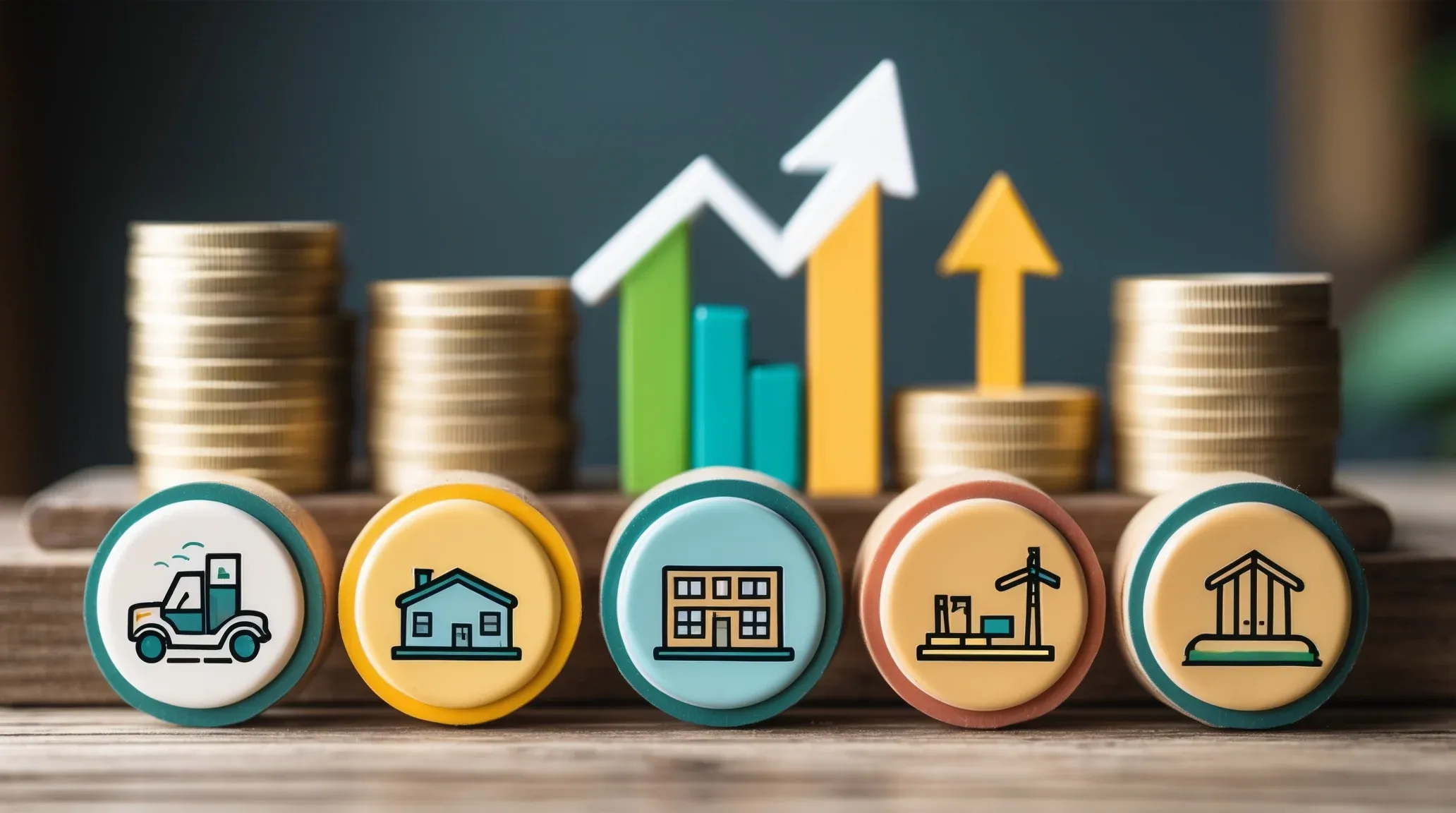
When you think about investing your hard-earned money in a company - be it through stocks, bonds or direct investment - you are not only purchasing a piece of paper or a digital entry, you are purchasing a story, a business, and most importantly, a vision for the future. One of the most dependable lenses you can use to look at that vision is capital expenditures (CapEx), a financial metric that doesn't always get as much attention as profits or revenues but reveals so much more about the long-term sustainability and direction of a company.
Understanding Capital Expenditure
Capital expenditure refers to the funds a company employs to acquire, upgrade, or maintain physical assets such as property, technology, or equipment. Unlike operating expenses (OpEx), which cover the day-to-day running costs – think salaries, utilities, and raw materials – CapEx is intended for investments that will serve the business for years to come.
Suppose you’re evaluating a manufacturing company in India. When it spends ₹10 crores to build a new plant or upgrade its machines, that’s CapEx. If it spends ₹50 lakhs on routine electricity bills or employee wages, that’s OpEx. The difference is more than just accounting jargon; it is about the difference between maintaining the present and investing in the future.
Types Of Capital Expenditure
Not all CapEx is created equal. As an investor, you should be able to differentiate between types:
-
Growth CapEx: These are investments aimed at expanding the company's capacity or entering new markets. For example, a telecom company rolling out 5G infrastructure across new cities.
-
Maintenance CapEx: These expenditures are made just to keep the existing assets running efficiently. An IT company replacing outdated servers, for instance.
Why does this distinction matter? Growth CapEx signals ambition and confidence from management, while maintenance CapEx is unavoidable, critical to prevent deterioration but unlikely to generate substantial new revenue.
Capex In Financial Statements
If you’re serious about investing, you’ll find CapEx on the company's cash flow statement, not the income statement. Specifically, it appears under "cash flows from investing activities", often labeled as "purchase of property, plant and equipment" or similar.
It’s crucial to note that CapEx isn't counted as a full expense in the profit and loss (P&L) statement right away. Instead, it’s capitalised and then depreciated over the asset’s useful life. This accounting treatment means that while the cash leaves the company upfront, the expense hits the income statement gradually, which can obscure the true cash outflow if you only focus on net profit.
Why Capital Expenditure Matters To Investors Like You
1. Signals about management’s vision
The level and direction of CapEx tell you a lot about management’s priorities. Is the company investing in cutting-edge technology, or merely patching up old machinery? A surge in CapEx aligned with strategic initiatives like expanding into a new region or launching a new product line can indicate management’s confidence in future growth.
But beware, as excessive or poorly planned CapEx can be a red flag. Overzealous expansion, often fuelled by cheap debt or management hubris, can lead to asset bloat and underutilisation, ultimately hurting returns.
2. Impact on free cash flow
As an investor, your real concern should be free cash flow (FCF) – the actual cash left over after the company has paid for all its operating expenses and essential CapEx. This is the cash available for dividends, share buybacks, or reducing debt. A company that consistently generates strong FCF after CapEx is, generally speaking, in a position of strength.
Conversely, if CapEx consistently eats up all the cash from operations, the company may have to borrow more or raise equity, diluting your stake or increasing financial risk.
3. Insight into competitive positioning
Industries with high CapEx requirements often have high barriers to entry. If a company is able to fund ongoing CapEx comfortably, it may enjoy a durable competitive moat. On the flip side, if CapEx requirements are rising faster than revenue or profit, it could signal that the company is struggling to keep up with technological changes or regulatory mandates.
4. Cyclical nature and timing
CapEx isn’t constant; it tends to be cyclical and often lags the broader economic cycle. Companies typically ramp up CapEx during boom times and pull back during downturns. As an investor, understanding where a company is in its CapEx cycle can help you anticipate future cash flows and potential share price movements.
For instance, a company that has just completed a major round of CapEx may see improved profitability in subsequent years as new assets come online, while one that is about to embark on a heavy CapEx phase may face cash flow pressures in the near term.
Evaluating Capex: What Should You Look For?
To make capital expenditure analysis actionable, here are a few tips:
-
Compare CapEx to depreciation: If CapEx consistently trails depreciation, assets may be under-invested, risking obsolescence. If CapEx far exceeds depreciation, ensure it's driving real growth, not just asset accumulation.
-
CapEx as a % of revenue: There’s no universal benchmark, but tracking this ratio over time helps you spot trends. A sudden spike may warrant a deeper dive.
-
CapEx plans vs execution: Management often announces bold CapEx plans. Compare these with actuals to gauge credibility and execution ability.
-
Industry context: A software company’s CapEx needs will be very different from those of a steel manufacturer. Always compare similar companies or businesses.
Conclusion
As a potential investor, understanding CapEx gives you an advantage because it allows you to determine if the company is prepared for tomorrow, or whether it is merely meandering into the future.
FAQs
0 people liked this article.