 Add Preferred News Source

1,097 Views| 08 Nov 2026
Buying Gold and Silver Coins Online This Diwali 2026? Check Prices, Purity and Return Rules
Summary
Festive offers on gold and silver coins may look attractive, but the final price can vary between shopping apps and jewellers. Coin weight, purity documents, seller details and replacement conditions are also worth checking, particularly for orders placed through quick-commerce platforms.
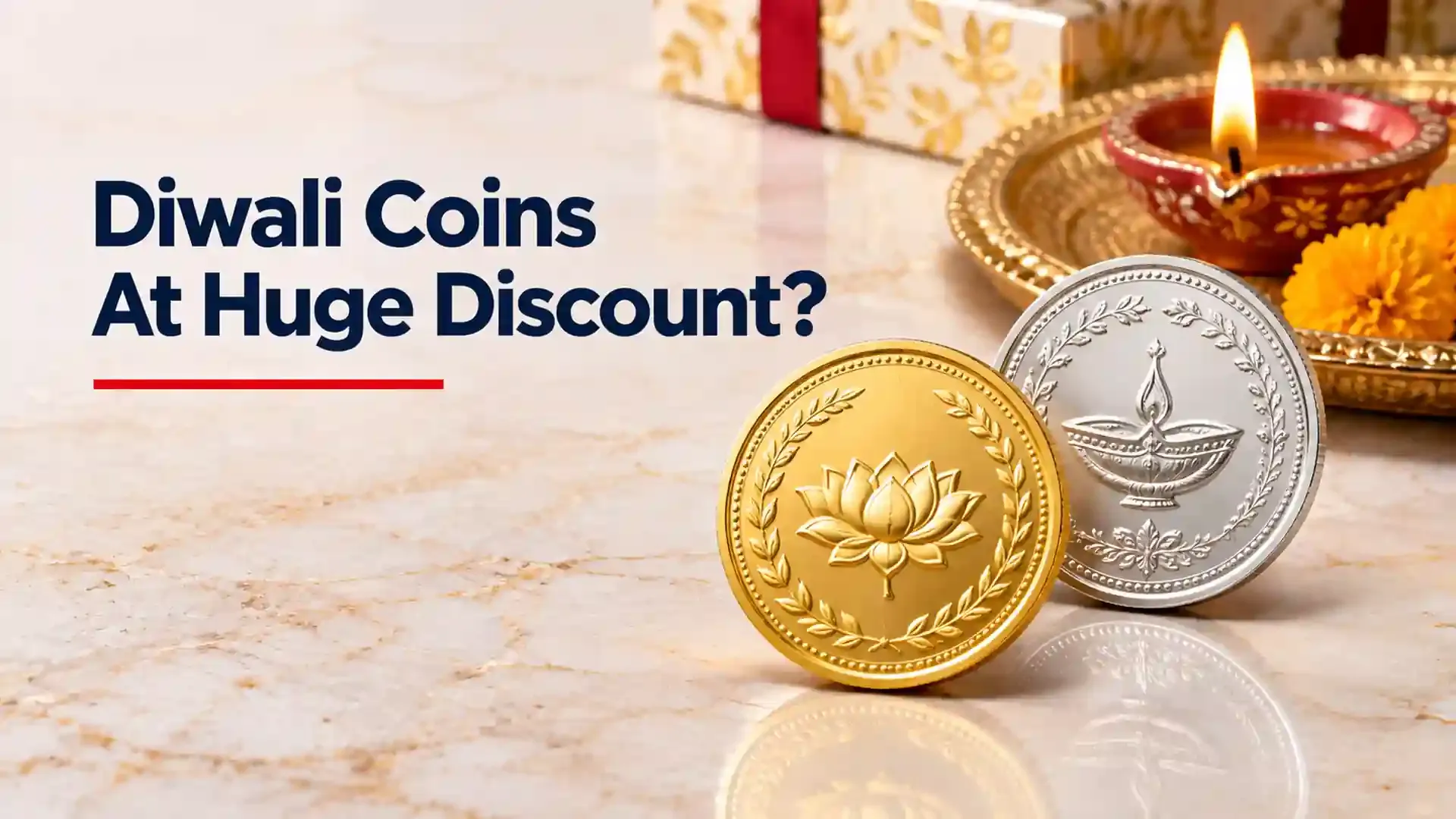
Gold and silver coins are available online this Diwali 2026 on shopping platforms such as Blinkit and other quick-commerce apps, with festive discounts and doorstep delivery attracting buyers looking to purchase coins for gifting or personal use. However, with 24-karat gold quoted at ₹1,43,570 per 10 grams in Mumbai on November 8 and silver at around ₹2,05,000 per kg, the final price of these coins is worth a closer look.
A gold coin listed at a discount may still cost more than a similar coin sold by a jeweller, as online prices can include minting charges, packaging, GST and seller margins. The same applies to silver coins, where prices may differ across platforms even for products of the same weight and purity. The prevailing metal rate is therefore only one part of what a customer ends up paying.
Apart from prices, buyers also need to check whether the coin is 22-karat or 24-karat, if it comes with a purity certificate and who is actually selling it. Return and replacement policies are equally important, as gold and silver coins may not be covered by the same rules as regular shopping products.
Here are five things to check before ordering gold or silver coins online.
1. Gold and Silver Coin Discounts: Check the Final Price
A 20%, 30% or even higher discount on a gold or silver coin may catch attention during a festive sale. But the discount alone does not show whether the coin is available at a lower price.
The amount paid for a coin depends on the metal rate, purity, weight and the charges included by the seller. Gold and silver coins may carry minting or making charges, along with GST and delivery fees.
For example, two platforms may list the same weight of gold coin at different prices even after applying their respective discounts. A coin with a higher advertised discount could still have a higher final price.
It is therefore useful to compare the total payable amount with the price offered by another platform or jeweller for a coin of the same weight and purity.
Buyers should also check the terms of bank offers and payment coupons. Some discounts apply only to selected products or payment methods, while others may have a maximum discount limit.
2. Check Gold and Silver Coin Purity, Weight and Certification
A gold coin marked 24 karat is not the same as one marked 22 karat. The difference lies in the gold content, which also affects the price.
Gold coins may carry purity markings such as 999 or 999.9. These indicate the stated fineness of the metal. Silver coins are also commonly sold with a 999 purity marking.
The product description should mention the metal, weight, purity and manufacturer. Buyers should check these details rather than relying only on the product image.
A 1-gram coin, for instance, should refer to the weight of the coin itself and not the packaging in which it is delivered.
Certification is another detail to check. Some coins come with an assay certificate or a sealed card carrying the manufacturer's purity declaration. The listing should make clear what documentation is included.
BIS hallmarking rules for jewellery do not automatically apply in the same way to every gold or silver coin. Buyers should check the actual certification provided with the product rather than assuming that a purity marking is the same as independent verification.
3. Who Is Selling the Gold or Silver Coin?
When a coin is ordered through Blinkit or another shopping app, the platform handling the order may not be the company that manufactured it.
The coin may come from a jeweller, mint or precious metal brand. Its name should be available in the product details, along with information about purity and weight.
Buyers should also check the seller's name and the details printed on the invoice. This can be useful if the delivered coin does not match the listing or if there is a question about its authenticity.
The invoice should identify the product purchased and the amount paid. Any certificate supplied with the coin should also be kept with the purchase documents.
A recognised brand may offer its own customer support or buyback arrangements, but those services should be checked separately. Purchasing a coin through a shopping app does not automatically mean the app will buy it back later.
4. Blinkit vs Other Shopping Apps: Why Coin Prices May Differ
The same type of gold or silver coin may be listed at different prices on Blinkit, other quick-commerce apps, e-commerce websites and jewellery stores.
The difference may be due to the manufacturer, minting charges, packaging or discounts offered by individual sellers.
For a fair comparison, the coins should have the same metal, weight and purity. A 24-karat gold coin should not be compared directly with a 22-karat coin simply because both weigh 1 gram.
The final checkout amount is also important. A lower listed price may change once delivery fees or other charges are added. Similarly, a payment offer may reduce the price only when a particular bank card or payment method is used.
Gold and silver rates can change during the day, but shopping platforms may update their product prices at different times. The listed price may therefore differ from the latest quoted market rate.
5. Gold and Silver Coin Return Rules: What Happens After Delivery?
Gold and silver coins may have stricter return conditions than other products sold online. Some listings may not allow returns after delivery. Others may permit a replacement if the coin is damaged, incorrect or different from the product ordered.
These rules can vary even within the same shopping app. Buyers should read the conditions attached to the particular coin before making the payment.
Once the order arrives, the packaging, seal, weight and product description should be checked against the invoice. If there is any damage or mismatch, it should be reported through the platform's customer support process within the applicable period.
Selling the coin later is a separate matter. A jeweller or precious metal dealer may offer a price based on the metal's prevailing rate and assessed purity. The original making charges, packaging fees and other costs may not be recovered.
Some dealers may also require purity testing or apply deductions before quoting a resale price. A coin purchased at a festive discount may therefore fetch less than its original purchase price.
For online purchases, the invoice, certificate and original packaging can help establish the coin's details when a buyer approaches a jeweller or dealer for resale.
Also Read - Gold Sales Reach ₹60,000 Crore On Dhanteras 2026, Buyers Shift To Lightweight Jewellery And Smaller Coins
This article is for informational purposes only and should not be considered investment advice from Kotak Neo. For compliance T&C and disclaimers, Visit www.kotakneo.com/disclaimer
About the Author

Rochelle Britto
Rochelle Britto has spent 8+ years decoding India's markets, businesses, and consumer economy, reporting for ET Prime and Times Internet along the way, covering the stories behind the numbers.
A Mumbai native and perpetual planner of the next holiday, she stays far, far away from the eternal question, “Where are we going next?” When she's not chasing headlines, she's chasing new cultures, open roads, and a bit of quiet in nature.
Right Tools, Rich Insights
Latest News
- 1,068 Views| 08 Nov 2026
- 1,077 Views| 07 Nov 2026
- 1,092 Views| 07 Nov 2026
- 1,085 Views| 07 Nov 2026
- 1,089 Views| 07 Nov 2026
- 1,011 Views| 07 Nov 2026
- 1,028 Views| 06 Nov 2026
- 1,039 Views| 06 Nov 2026
- 1,016 Views| 06 Nov 2026