Add Preferred News Source

1,024 Views| 08 Nov 2026
US-Iran War: US Hits Cargo Ship in Gulf of Oman, Expands Blockade as Strait of Hormuz Tensions Rise
Summary
US forces have disabled a commercial vessel in the Gulf of Oman after accusing it of breaching the Iran blockade. Washington has also announced a task force to restrict Iran's land-based supply routes, while Iranian authorities have reported fresh tanker incidents in the Strait of Hormuz.
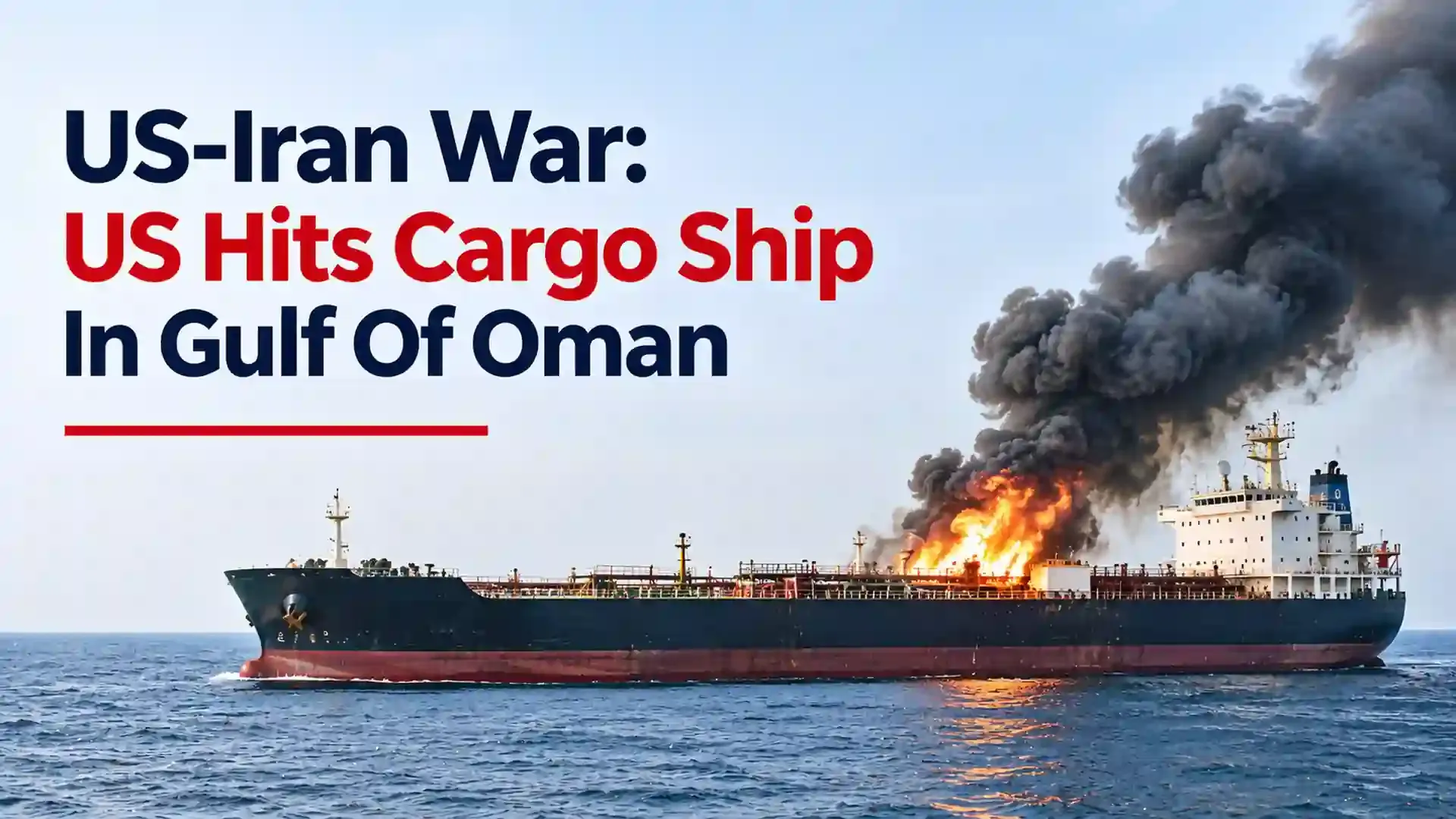
The US-Iran war saw fresh military action on Saturday, November 7, 2026, after the United States disabled a commercial cargo ship in the Gulf of Oman and announced a new task force to restrict Iran's land-based supply routes. The developments came amid reports of explosions in southern Iran and fresh incidents involving oil tankers near the Strait of Hormuz, where shipping has remained disrupted since the conflict began in February.
The US Central Command (CENTCOM) said an American military aircraft fired precision-guided munitions at the stern of the St. Kitts-flagged vessel M/V Huda after its crew ignored repeated warnings and attempted to breach the US naval blockade. The military said the crew had been directed to leave the targeted areas before the strike. The vessel had earlier visited an Iranian port and was attempting to leave regional waters, according to CENTCOM.
In a separate announcement, the US military said it had established Task Force Iron Gate to restrict Iran's movement of weapons, sanctioned goods and other materials through land borders and the Caspian Sea. The move expands Washington's existing naval blockade, which CENTCOM estimates has prevented more than $25 billion worth of Iranian crude oil exports.
US Expands Iran Blockade After Cargo Ship Strike
Task Force Iron Gate will operate from CENTCOM's headquarters in Tampa, Florida, and work with US government agencies to monitor the movement of advanced weapons, dual-use technology and sanctioned materials across Iran's borders.
The task force will also focus on financial networks used to move restricted goods and generate revenue. The operation comes as the US seeks to extend its restrictions beyond Iranian ports and maritime trade routes.
According to Reuters, Iran has continued to obtain military-related equipment through routes involving Russia, Central Asia and China despite restrictions on its maritime trade.
The latest US military action followed renewed warnings from President Donald Trump, who has threatened further strikes against Iran while maintaining that talks to end the conflict are continuing.
Iranian state media reported explosions on Qeshm Island and in the southern cities of Jask, Sirik and Bandar Abbas on Saturday. The reports came after Trump acknowledged limited US strikes against Iranian air defence systems.
Strait of Hormuz: Iran Reports Two Oil Tankers Hit Mines
Iran's Islamic Revolutionary Guard Corps Navy said two oil tankers struck sea mines and caught fire near the Strait of Hormuz on Saturday. Iranian state television reported that the vessels had entered an unsafe part of the waterway with their navigation systems switched off.
The identities of the tankers and the full circumstances of the incidents were not immediately clear. The Iranian account could not be independently verified.
The Strait of Hormuz connects the Persian Gulf with the Gulf of Oman and is one of the world's main shipping routes for crude oil and liquefied natural gas. The waterway normally handles around one-fifth of global oil consumption.
Shipping through the region has faced repeated disruptions during the war, with vessel attacks, restrictions and higher insurance costs affecting the movement of crude oil and other goods.
US-Iran War Impact on Crude Oil Prices and India
The continued disruption has raised transportation costs for oil importers, including India. Indian refiners have been paying higher freight charges as shipping companies adjust routes and vessel availability remains limited.
According to a November 2 report by NDTV Profit, crude oil freight costs for Indian refiners had increased to $12–$20 per barrel from $8–$10 earlier, depending on the shipping route. Higher freight charges have increased the cost of bringing crude oil into India even when international benchmark prices have declined.
Brent crude had fallen below $102 per barrel during trading on November 4, according to Upstox, as oil prices declined following the US midterm elections. However, the latest military developments came over the weekend, when international benchmark oil futures were not in regular trading.
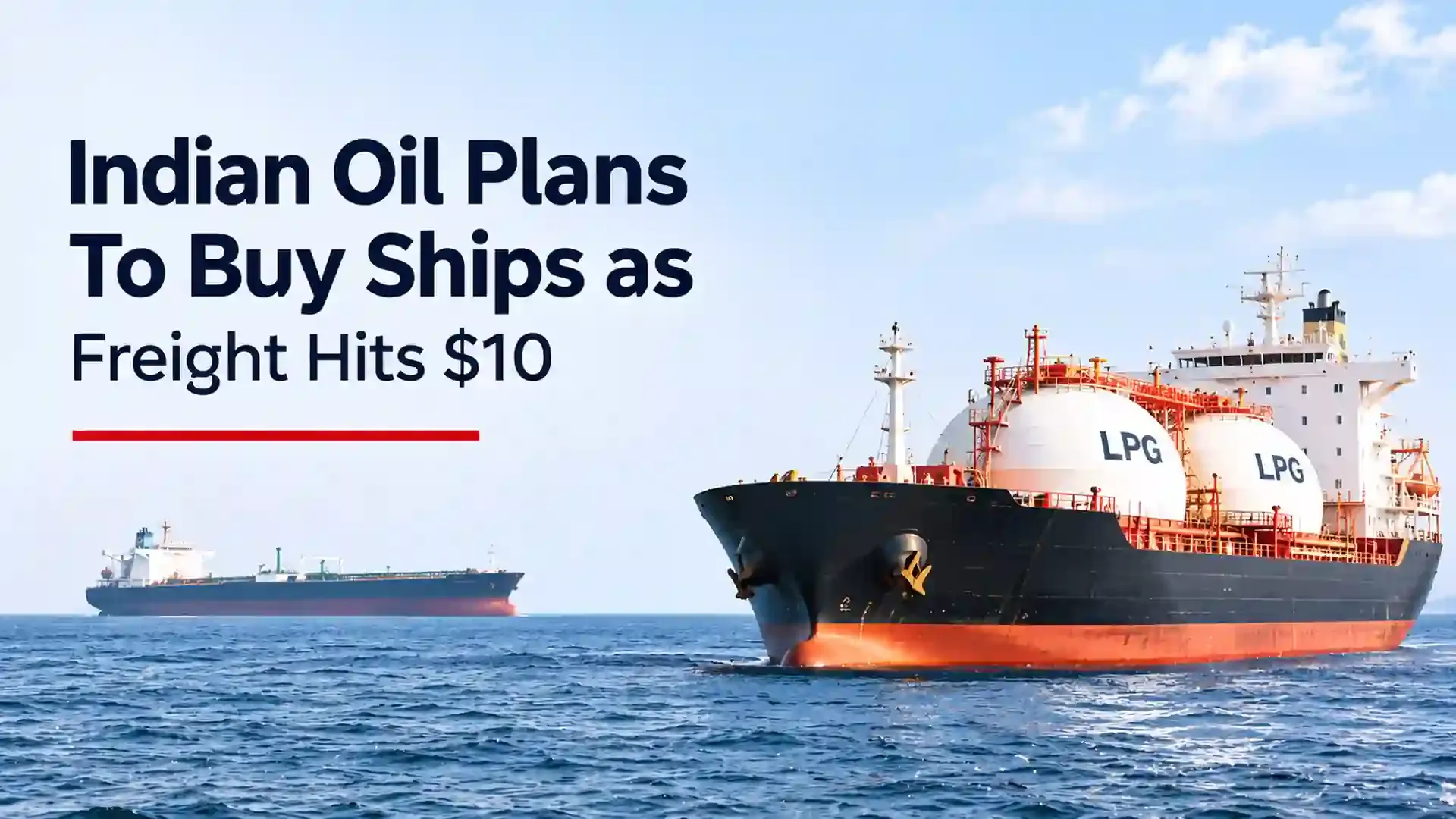
Indian Oil Corporation has also been reviewing its crude supply and shipping arrangements. The state-run refiner has received board approval to purchase crude oil and LPG vessels, while it is considering reducing purchases under annual contracts with Middle Eastern producers in the next financial year.
The US and Iran have continued indirect diplomatic discussions, with Qatar and Oman involved in mediation efforts. No agreement to end the war had been announced as of Sunday, November 8.
Also Read - Indian Oil Plans to Buy Crude Oil and LPG Ships as US-Iran War Pushes Freight Costs Higher
This article is for informational purposes only and should not be considered investment advice from Kotak Neo. For compliance T&C and disclaimers, Visit www.kotakneo.com/disclaimer
About the Author

Rochelle Britto
Rochelle Britto has spent 8+ years decoding India's markets, businesses, and consumer economy, reporting for ET Prime and Times Internet along the way, covering the stories behind the numbers.
A Mumbai native and perpetual planner of the next holiday, she stays far, far away from the eternal question, “Where are we going next?” When she's not chasing headlines, she's chasing new cultures, open roads, and a bit of quiet in nature.
Right Tools, Rich Insights

Latest News
- 1,068 Views| 08 Nov 2026
- 1,024 Views| 08 Nov 2026
- 1,083 Views| 08 Nov 2026
- 1,083 Views| 07 Nov 2026
- 1,061 Views| 07 Nov 2026
- 1,020 Views| 07 Nov 2026
- 1,068 Views| 07 Nov 2026
- 1,099 Views| 07 Nov 2026
- 1,010 Views| 06 Nov 2026