Fed Raises Rates To 3.75%-4% As Another Hike Comes Into View
 Add Preferred News Source
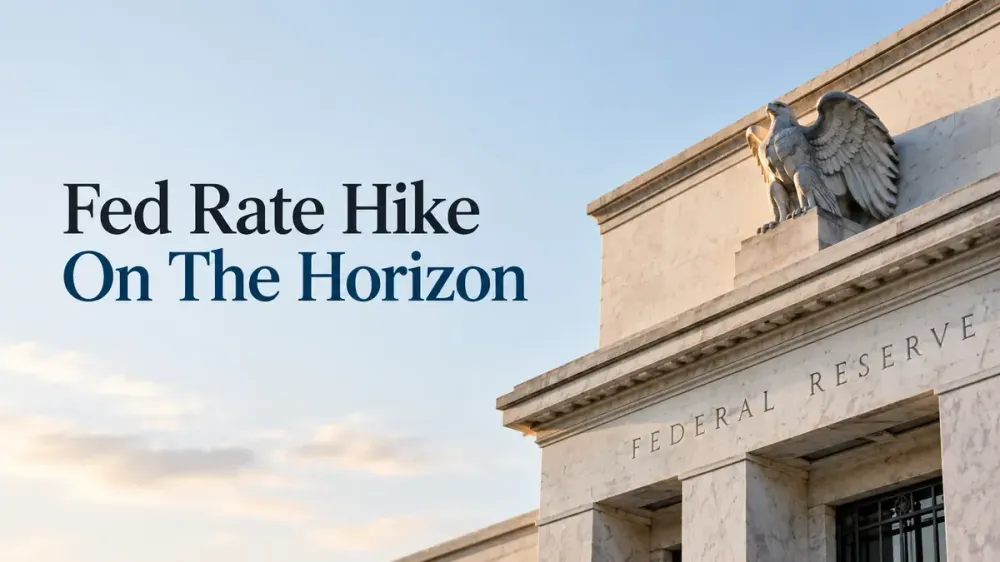
The US Federal Reserve raised its benchmark rate by 25 basis points to 3.75%–4%, marking its first hike in three years. Morgan Stanley now expects two more increases, with oil prices and persistent inflation among the concerns.
On Wednesday, the US Federal Reserve increased interest rates by 25 basis points. It set the target range for the federal funds rate at 3.75%–4.0%.
The move was largely expected by Wall Street. It is the first rate increase by the US central bank in three years.
The decision comes at a time when inflation is still proving difficult to bring under control. Oil prices have also moved higher recently, adding another source of pressure on prices.
The Fed has left the door open for another increase before the end of 2026. That has already changed the outlook among some economists, who had earlier expected rates to remain unchanged following this week's decision. Morgan Stanley Sees Two More Rate Hikes
Morgan Stanley has changed its forecast for US interest rates this week, CNBC reported.
The investment bank had previously expected no further rate increases. It now expects two hikes, with the first one potentially coming in December.
The revised view takes into account comments from Fed Chairman Kevin Warsh as well as the recent rise in oil prices.
Morgan Stanley also pointed to inflation associated with the expansion of artificial intelligence-related investment. The firm said expectations in financial markets have shifted towards a higher-rate environment.
Michael Gapen, Morgan Stanley's chief US economist, said a decision not to raise rates again could affect the Fed's credibility and lead to higher long-term risk premiums.
What Higher US Rates Mean For Consumers
The Fed's interest rate decisions do not affect every loan or savings product in the same way, but changes in borrowing costs can reach consumers.
Credit cards and auto loans are among the products that can become more expensive when interest rates rise. People carrying balances on variable-rate debt may see their interest costs increase.
Mortgage rates can also move higher, although they do not simply follow the Fed's policy rate. Longer-term bond yields and conditions in the mortgage market are also important factors.
For those saving for the future, the benefits of higher interest rates can be the improved performance of some forms of deposits and other interest-bearing products.
Also Read - Stocks To Watch Today
This article is for informational purposes only and should not be considered investment advice from Kotak Neo. For compliance T&C and disclaimers, Visit www.kotakneo.com/disclaimer

Vishwa has spent 10+ years across fintech and FMCG doing what most people miss, connecting the dots, catching trends before they trend, and finding the angle nobody else thought to ask about.
At Kotak Neo, she drives content strategy for neoshorts, Kotak News Desk, and Investing Guide, turning market noise into something worth reading.
When she's not decoding markets, she trades charts for canvases, chasing art, painting, and architecture across cities she's yet to explore.
Right Tools, Rich Insights