India's Energy Storage Expected To Surge 10x To 888 GWh By FY36: MoSPI
 Add Preferred News Source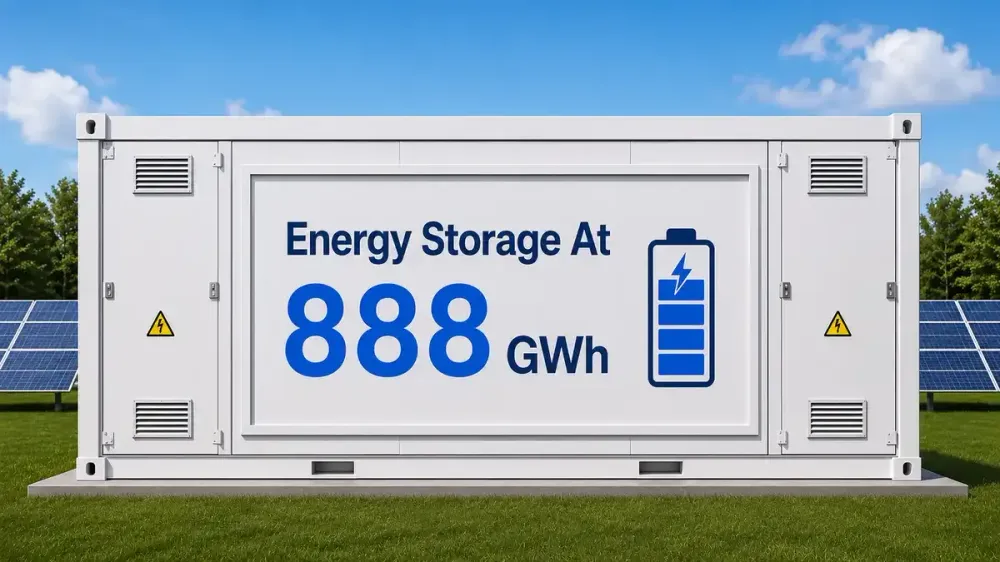
India's energy storage requirement is projected to rise more than tenfold to 888 GWh by FY36, driven by battery and pumped storage expansion. Read more.
India's energy storage requirement is expected to rise more than tenfold over the next decade as the country adds more renewable energy capacity, according to the latest quarterly update of the Ministry of Statistics and Programme Implementation's (MoSPI) Infrastructure Performance Monitoring Dashboard.
The ministry projected storage requirements to increase from 87 gigawatt-hours (GWh) in 2027-28 to 888 GWh by 2035-36, driven by faster deployment of Battery Energy Storage Systems (BESS) and Pumped Storage Plants (PSPs).
MoSPI said the power sector is entering a phase of rapid expansion in energy storage as India strengthens its renewable energy-based electricity system. The ministry indicated that both BESS and pumped hydro projects will play a central role in supporting the country's growing clean energy capacity and improving grid stability.
Storage Capacity To Expand Across Technologies
The dashboard also projected a sharp increase in installed storage capacity over the coming years (see table):
System | Projected Capacity By 2035-36 |
|---|---|
PSPs | 94 GW |
BESS | 80 GW |
According to MoSPI, the steady increase in both technologies reflects India's focus on improving grid reliability while allowing a larger share of renewable energy to be integrated into the power network.
The projections form part of the ministry's quarterly update of the Project Assessment, Infrastructure Monitoring & Analytics for Nation-building (PAIMANA) Performance Monitoring Dashboard, which tracks infrastructure performance across six sectors:
-
Power
-
Roads
-
Railways
-
Ports
-
Telecommunications
-
Civil aviation
Telecom And Digital Infrastructure Also Improved
The dashboard showed continued expansion in telecom infrastructure during the period. Key highlights include:
-
Mobile towers increased to 8.55 lakh, up 3.7% year-on-year.
-
Base Transceiver Stations (BTS) rose 7.4% year-on-year to 32.25 lakh.
-
Tele-density improved to 93.26% in FY2025-26.
The ministry also reported wider adoption of electronic toll collection. Digital toll transactions reached ₹88 crore during FY2026-27 up to May, marking a 39.7% year-on-year increase.
MoSPI said it has expanded the Performance Monitoring Dashboard by adding 44 new indicators, taking the total to 165 indicators. The dashboard provides policymakers, researchers and other stakeholders with a single digital platform featuring sector-wise performance tracking, interactive visualisation and time-series analysis.
Impact On Listed Energy Companies
The projected rise in storage capacity could support business opportunities for listed Indian power and energy companies that are expanding into renewable energy and energy storage projects.
Power producers and developers involved in solar, wind and hybrid projects may benefit as higher storage capacity becomes necessary to balance intermittent renewable power generation. Companies developing pumped storage projects and battery-backed renewable assets could also see additional project opportunities as capacity additions gather pace.
The projections also reinforce the government's long-term focus on integrating renewable energy into the national grid, an area where several listed utilities and renewable energy developers have already announced investments.
Also Read - SBI Leads Foreign Currency Mobilisation With $1.9 Billion Under RBI Scheme
This article is for informational purposes only and should not be considered investment advice from Kotak Neo. For compliance T&C and disclaimers, Visit www.kotakneo.com/disclaimer
Right Tools, Rich Insights