 Add Preferred News Source

1,003 Views| 12 Nov 2026
RBI Puts Domestic Money Transfer Rules In One Place, Sets ₹10,000 Cash Payout Cap And Makes KYC Checks Mandatory
Summary
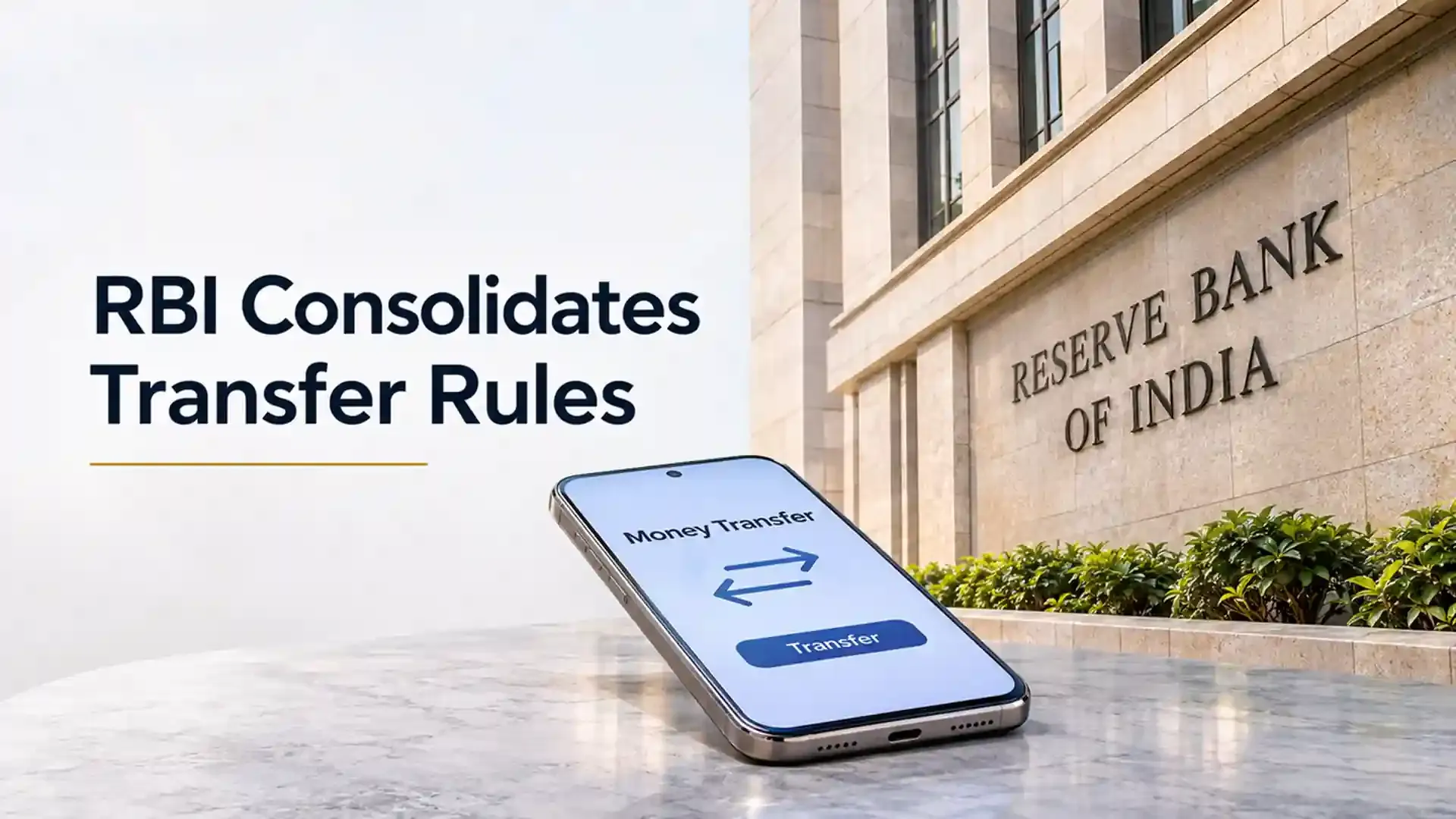
The RBI's revised Domestic Money Transfer rules set cash transfer limits and make mobile verification, KYC documents and additional authentication compulsory. The directions came into force on 11 November 2026.
Sending cash to someone who does not have a bank account will now come with clearly defined limits and verification checks under the Reserve Bank of India's (RBI) revised Domestic Money Transfer (DMT) rules.
The central bank issued the RBI (Domestic Money Transfer) Directions, 2026, on 11 November. The rules took effect immediately and bring together the existing instructions on cash-based remittances, including how much money can be sent, what documents are needed and how transactions must be authenticated.
The directions apply to scheduled commercial banks, regional rural banks and co-operative banks. They also cover authorised payment system operators and participants, wherever applicable.
Cash Payout: Maximum ₹10,000 In One Transaction
The Cash Pay-out Service allows a customer to send money from a bank account to a beneficiary who does not have an account. The recipient can collect the cash through an ATM, a Business Correspondent (BC) or another authorised channel.
There is a cap of ₹10,000 on each transaction. A beneficiary can receive no more than ₹25,000 in a month through this service. Banks must maintain the recipient's name and address while processing these transfers.
Cash Pay-in: ₹5,000 Per Transaction Through BCs
Customers depositing money at a bank branch can send up to ₹50,000 to a beneficiary's account through NEFT.
The limit is lower for cash deposits made through Business Correspondents, ATMs and other permitted channels. These transfers cannot exceed ₹5,000 per transaction. The monthly ceiling is ₹25,000 for each remitter.
The two limits apply separately to the cash pay-in and cash payout services.
Verified Mobile Number And Authentication Required
Customers sending cash through BCs and other permitted channels will have to complete registration using a verified mobile number. They must also provide a self-certified Officially Valid Document (OVD), as prescribed under the RBI's KYC Directions, 2025.
Banks must also pass on the remitter's details in the IMPS or NEFT transaction message. The message should carry a separate identifier to show that the payment is a cash-based remittance.
Banks Must Flag Unusual Transactions
The RBI has asked banks and non-bank entities, wherever applicable, to keep a close watch on transfers made under the facility. Transaction velocity checks and alerts for incoming credits are among the safeguards they must put in place.
A sudden rise in credits to an account, or to a group of accounts, will need to be investigated immediately. Suspicious transactions must be reported to the relevant authorities. Transfers are expected to be completed in real time or as close to real time as possible.
Banks and non-bank entities can charge reasonable fees for the service. They must also provide a mechanism for customers to raise complaints. Such grievances will fall under the Reserve Bank – Integrated Ombudsman Scheme, 2026.
This article is for informational purposes only and should not be considered investment advice from Kotak Neo. For compliance T&C and disclaimers, Visit www.kotakneo.com/disclaimer
About the Author

Vishwa Ved
Vishwa has spent 10+ years across fintech and FMCG doing what most people miss, connecting the dots, catching trends before they trend, and finding the angle nobody else thought to ask about.
At Kotak Neo, she drives content strategy for neoshorts, Kotak News Desk, and Investing Guide, turning market noise into something worth reading.
When she's not decoding markets, she trades charts for canvases, chasing art, painting, and architecture across cities she's yet to explore.
Right Tools, Rich Insights

Latest News
- 1,056 Views| 12 Nov 2026
- 1,076 Views| 12 Nov 2026
- 1,036 Views| 12 Nov 2026
- 1,054 Views| 12 Nov 2026
- 1,084 Views| 12 Nov 2026
- 1,083 Views| 12 Nov 2026
- 1,031 Views| 12 Nov 2026
- 1,041 Views| 12 Nov 2026
- 1,024 Views| 12 Nov 2026