AC Prices May Rise 5–15% As Copper Costs And Weak Rupee Increase Manufacturing Expenses
- By Kotak News Desk
- 09 Mar 2026 at 2:54 PM IST
- Market News
- 4 minutes read
Never miss key market movements
Set Kotak Neo as your preferred content on Google.

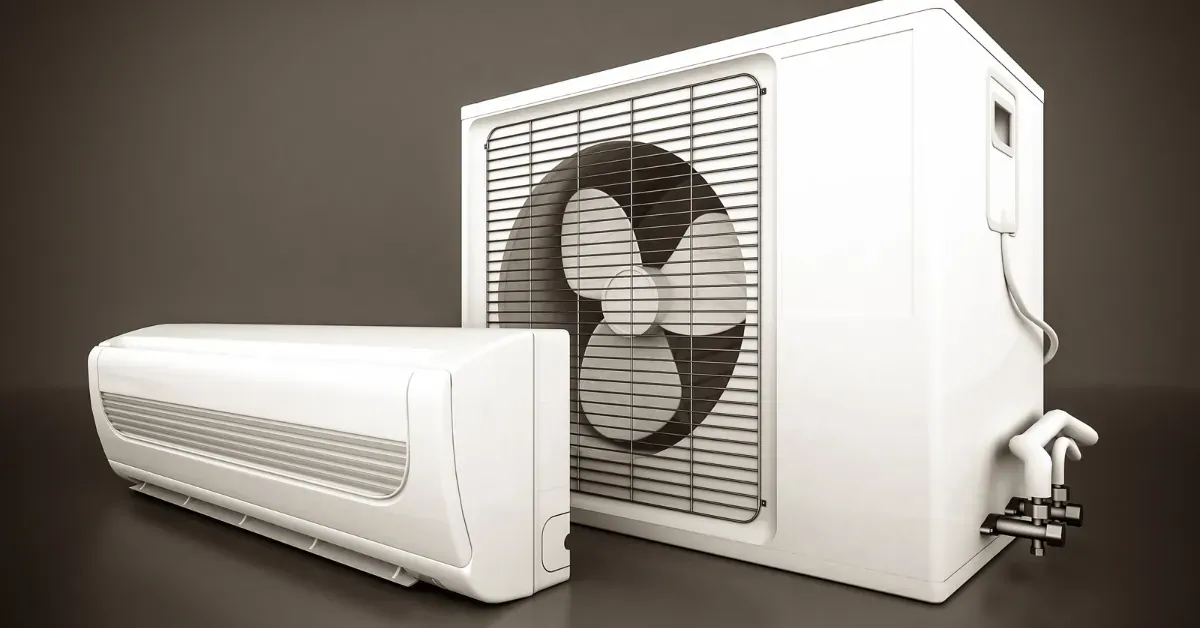
AC prices in India may rise 5%–15% ahead of summer due to an increase in copper price, weakening of the rupee, and new energy-efficiency norms. However, demand is still expected to increase in 2026.
Air conditioners are likely to become more expensive in India this summer. Many manufacturers are already announcing price hikes of 5% to 15% across different models. This increase is a direct result of rising raw material costs, a weakening rupee, and new energy-efficiency norms that have raised production expenses.
Major brands, including Daikin, Voltas, Blue Star, LG, Haier and Mitsubishi, have either already implemented price revisions or announced plans to raise prices ahead of the peak summer demand season.
Why Are The AC Prices Rising?
One of the main reasons for the hike in prices is the steep increase in copper prices. The metal is used in critical AC components such as heat exchangers, compressors and connecting pipes. It is very difficult for manufacturers to reduce their usage without affecting performance or durability.
Copper prices in international markets have surged from about $8,000 per tonne last year to around $13,000–$14,500 per tonne in 2026, significantly raising the cost of production for manufacturers.
-
According to industry reports, domestic copper prices too have increased and reached around ₹1,300 per kilogram earlier this year.
-
Not just copper, other metals like aluminium and steel have also become costlier. On top of that, freight and logistics costs have risen because global supply chains are facing disruptions, and geopolitical tensions are affecting major shipping routes.
What Is The Impact Of Weakening Rupee Price?
Another major factor behind the price hikes is the depreciation of the Indian rupee against the US dollar. Many air conditioner components, including compressors, electronic parts and specialised materials, are imported and priced in dollars.
When the rupee weakens, the cost of importing these parts rises because manufacturers need to either absorb the higher cost or pass it on to consumers as an increased final price.
Industry executives say the combination of higher commodity prices and currency fluctuations has significantly increased production costs over the past several months.
New Energy Efficiency Norms Add To Costs
The third major factor pushing up prices is the implementation of revised energy-efficiency norms introduced by India’s Bureau of Energy Efficiency (BEE) from 1 January 2026.
As per the updated rules, the star-rating system for air conditioners has been revised. It now requires manufacturers to improve the efficiency of the AC. Hence, companies must invest in advanced compressors, better heat exchangers and more efficient components.
According to industry executives, the new five-star models under the revised standards are roughly 10% more energy efficient than previous models. While these improvements will reduce electricity consumption for consumers over time, the upfront manufacturing costs have increased.
For example, LG Electronics India has already increased prices by about 7% for 3-star models and around 9–10% for 5-star models.
Also Read - India Holds Over 250 Million Barrels Of Energy Reserves, Says Govt Report
What Can The Consumers Expect?
ACs will likely become more expensive this summer. But experts feel these newer models, which are going to be more energy-efficient, may actually help reduce electricity bills over time, which can balance out the overall cost.
Even so, with temperatures rising across India, demand for air conditioners is expected to increase.
Sources:
The Hindu
NDTV Profit
TOI

Kotak News Desk brings you latest updates, expert insights, and market-ready ideas - helping you stay informed and invest smarter.
Connect on: Linkedin
0 people liked this article.